
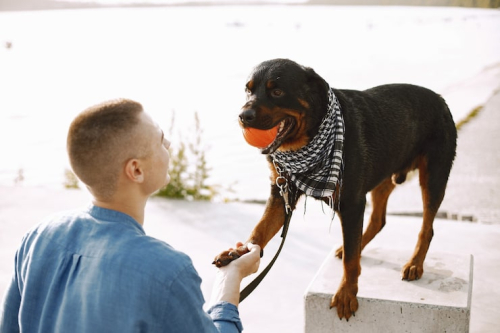
The recent Canine Science Symposium held at San Francisco State University brought together trainers, behaviorists, and pet owners from across the Bay Area to examine the rapid rise of force-free, positive reinforcement-based dog training. The gathering highlighted how evidence-based methods are quietly reshaping companion animal care throughout neighborhoods including the Mission District, Potrero Hill, SoMa, Dogpatch, Bernal Heights, Castro District, and Noe Valley.
In a city already known for progressive values, San Francisco dog owners increasingly favor approaches that build trust and cooperation rather than relying on outdated dominance or punishment-based techniques.
Your dog’s daily struggles pulling, mealtime anxiety, or reactivity don’t just cause stress, they chip away at the joy of being together. At Prime Paw, our positive reinforcement-based programs meet your dog where they are and build confidence, connection, and real skills. Our tailored programs in-person classes, coaching, and online resources help you enjoy calmer walks, relaxed routines, and a deeper connection. Ready for lasting change? Schedule a Prime Paw consultation today!
The Core Strength of Positive Reinforcement
At the center of force-free training lies positive reinforcement: rewarding behaviors you want to see more of with treats, praise, toys, or play instead of correcting or suppressing unwanted actions. The result is a dog that learns eagerly rather than out of fear or avoidance.
Multiple studies have shown that reward-based training produces stronger, longer-lasting responses to essential cues such as “sit,” “stay,” and “come.” Trainers who specialize in these methods frequently report quicker progress and fewer setbacks even when working with less training time per session compared with mixed or aversive approaches.
This scientific momentum corresponds with strong consumer demand. North America remains the global leader in professional dog training services, supported by high pet ownership rates and growing interest in ethical, relationship-focused programs. Obedience training continues to attract the largest share of clients, particularly among first-time owners and people who have adopted rescue dogs seeking reliable behavior correction.
Tools and Techniques Reaching Everyday Owners
The symposium placed special emphasis on accessible innovations that allow ordinary pet parents to apply force-free principles consistently. Smartphone apps that simulate clicker timing, automatic treat dispensers triggered remotely, and wearable sensors that help detect early signs of stress have lowered the barrier to entry for apartment dwellers in SoMa or families in Bernal Heights.
Local training facilities are translating research into practice. Group classes in Dogpatch, for example, combine structured skill-building with carefully supervised socialization crucial for young dogs learning to navigate crowded sidewalks, transit noise, and urban distractions.
San Francisco’s pet culture has long valued individualized care. Owners here show strong willingness to invest in premium services that improve quality of life for their animals, from boutique boarding to tailored behavior programs.
Real Transformations in Bay Area Neighborhoods
Across the listed neighborhoods, force-free methods deliver measurable change. Dogs once labeled “reactive” or “fearful” frequently show dramatic improvement when trainers use systematic desensitization paired with generous rewards instead of suppression or confrontation.
The most successful programs share a common feature: deep customization. Trainers develop plans that account for each dog’s unique temperament, age, breed tendencies, and the owner’s daily routine. In Noe Valley and the Castro District, professionals with demanding schedules especially value flexible formats short, focused sessions or hybrid models that blend in-person work with guided home practice.
These outcomes directly address widespread doubts. Many owners initially question whether gentler methods can manage high-energy puppies or strong-willed adolescents. Experience consistently demonstrates that well-executed positive reinforcement outperforms traditional correction for long-term reliability while preserving and often strengthening the emotional bond between dog and guardian.
Overcoming the Most Common Hesitations
Cost ranks high among objections. Force-free programs, especially those led by credentialed trainers in small groups, can require a larger initial investment. Yet clients often discover that preventing future reactivity, anxiety-driven behaviors, or destruction saves considerably more money and stress over the dog’s lifetime.
Time scarcity creates another frequent barrier, particularly in fast-moving corridors like Potrero Hill and the Mission District. Progressive facilities respond with efficient solutions: condensed weekend workshops, drop-in socialization hours, and take-home reinforcement plans that integrate seamlessly into busy lifestyles.
Perhaps the most stubborn obstacle remains attachment to old-school “dominance” theories. Shifting mindsets requires more than argument it demands visible proof. Before-and-after videos, progress photos, and client testimonials shared in neighborhood Facebook groups and Instagram feeds have proven especially persuasive in changing long-held beliefs.
For the small percentage of dogs presenting severe aggression or deeply ingrained fear, force-free techniques remain the ethical foundation, though they may be thoughtfully combined with veterinary behaviorist oversight and, in rare cases, adjunct pharmacological support.
Growing Demand Creates Opportunity
The accelerating acceptance of humane, science-aligned training opens substantial room for specialized providers. As pet owners increasingly view their animals as family members, demand rises for personalized puppy programs that weave together foundational skills, confident socialization, and household manners in one safe, supervised environment.
Businesses that clearly communicate their commitment to positive, evidence-based methods and that deliver measurable results are best positioned to attract and retain clients in this competitive landscape. Neighborhood success stories, amplified through word-of-mouth and social sharing, steadily build broader community trust in force-free philosophies.
Looking Ahead in San Francisco
San Francisco continues to serve as an influential hub for the next chapter in companion animal training. Events such as the Canine Science Symposium reinforce a central truth: the most effective path forward prioritizes mutual respect, emotional safety, and genuine enjoyment over compliance extracted through intimidation.
In homes stretching from Dogpatch lofts to Noe Valley Victorians, dogs and their people are experiencing the benefits of training that feels collaborative rather than coercive. The trajectory is clear. As research deepens and local practitioners refine their craft, force-free methodologies are moving from promising alternative to expected standard reflecting both the values of the city and the evolving understanding of canine cognition and emotion.
For dog owners ready to move beyond outdated methods, the message from the symposium was unambiguous: compassion and competence are not opposing forces they are the foundation of a stronger, more joyful partnership.
Frequently Asked Questions
What is force-free dog training, and why is it considered more effective than traditional methods?
Force-free dog training relies on positive reinforcement rewarding desired behaviors with treats, praise, toys, or play rather than punishment or dominance-based corrections. Multiple studies show that reward-based training produces stronger, longer-lasting responses to essential cues like “sit,” “stay,” and “come.” Trainers using these methods report quicker progress and fewer setbacks, even with shorter sessions, while preserving and often strengthening the bond between dog and owner.
Can positive reinforcement training work for reactive, fearful, or high-energy dogs?
Yes force-free methods are especially effective for dogs labeled “reactive” or “fearful,” using systematic desensitization paired with generous rewards rather than suppression or confrontation. Well-executed positive reinforcement consistently outperforms traditional correction for long-term reliability, even with strong-willed adolescents or high-energy puppies. For dogs with severe aggression or deeply ingrained fear, these techniques remain the ethical foundation and can be supplemented with veterinary behaviorist oversight when needed.
Is force-free dog training worth the cost, and how can busy owners fit it into their schedule?
While credentialed force-free programs can require a larger upfront investment, they often prevent costly issues down the line such as anxiety-driven destruction or chronic reactivity. Many modern training facilities offer flexible formats designed for busy owners, including condensed weekend workshops, drop-in socialization hours, and hybrid models that blend in-person sessions with guided home practice. Smartphone apps, remote treat dispensers, and wearable stress-detection sensors have also made it easier than ever for owners to apply force-free principles consistently at home.
Disclaimer: The above helpful resources content contains personal opinions and experiences. The information provided is for general knowledge and does not constitute professional advice.
You may also be interested in: Prime Paw – Based in San Francisco, we strive to educate our
Your dog’s daily struggles pulling, mealtime anxiety, or reactivity don’t just cause stress, they chip away at the joy of being together. At Prime Paw, our positive reinforcement-based programs meet your dog where they are and build confidence, connection, and real skills. Our tailored programs in-person classes, coaching, and online resources help you enjoy calmer walks, relaxed routines, and a deeper connection. Ready for lasting change? Schedule a Prime Paw consultation today!
Powered by flareAI.co