
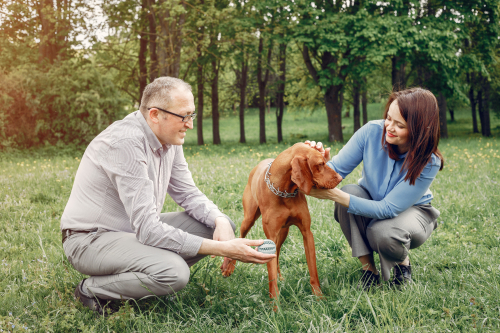
In the vibrant heart of San Francisco’s Mission District, morning routines now frequently include more than just grabbing coffee and exchanging quick greetings. Amid the street art and steady stream of pedestrians, clusters of dog owners have begun meeting regularly in nearby parks and open spaces. They arrive with leashes in hand and curiosity in their eyes, drawn by free community workshops dedicated to trust-centered dog training techniques that emphasize connection over correction.
Far from rigid sit-stay-repeat classes, these sessions focus on relationship-building fundamentals. Similar gatherings have taken root across Potrero Hill, SoMa, Dogpatch, Bernal Heights, the Castro District, and Noe Valley, creating low-pressure opportunities for residents to strengthen their bond with puppies and adult dogs alike. In a city where four-legged companions sometimes outnumber young children in certain zip codes, the rise of accessible, relationship-first training feels especially relevant.
Your dog’s daily struggles pulling, mealtime anxiety, or reactivity don’t just cause stress, they chip away at the joy of being together. At Prime Paw, our positive reinforcement-based programs meet your dog where they are and build confidence, connection, and real skills. Our tailored programs in-person classes, coaching, and online resources help you enjoy calmer walks, relaxed routines, and a deeper connection. Ready for lasting change? Schedule a Prime Paw consultation today!
Understanding the Core of Trust-Centered Training
Trust-centered training rests on a simple premise: lasting behavioral change flows most reliably from mutual respect and clear communication rather than coercion or intimidation. Participants learn to observe nuanced body language slight ear twitches, softened eyes, loose tail carriage and respond with calm consistency. Positive reinforcement serves as the primary tool, marking and rewarding behaviors the owner wishes to see more often.
The method proves particularly valuable in San Francisco’s fast-paced urban setting. Narrow sidewalks, packed dog parks, delivery scooters, and sudden construction sounds can easily unsettle young or sensitive dogs. By prioritizing supervised socialization and confidence-building exercises, these workshops equip both pet and person to navigate daily life with greater ease and less stress.
Interest in this approach mirrors a noticeable shift among pet owners nationwide. Many now actively search for training philosophies that support emotional well-being in addition to obedience, and free or low-cost community programs help democratize access to those methods.
Positive Reinforcement Gains Ground Alongside Community Initiatives
Positive reinforcement has steadily displaced older, punishment-heavy approaches in both professional circles and everyday households. Experienced trainers consistently report that reward-based techniques produce longer-lasting results while preserving and often deepening the dog-owner relationship.
Across the listed San Francisco neighborhoods, community-driven efforts have multiplied in recent years. Local nonprofits, resident-led groups, and occasional city-supported pop-ups host sessions in public parks, recreation centers, and even quiet corners of larger green spaces. Although programming varies seasonally, the overall trajectory points to sustained enthusiasm for inclusive, no-cost education, especially among first-time owners confronting typical puppy challenges.
This local momentum sits within a much larger industry expansion. According to comprehensive market analysis from Grand View Research, the global pet services sector was valued at USD 60.08 billion in 2024 and is forecast to reach USD 125.77 billion by 2033, reflecting a compound annual growth rate of 8.58% between 2025 and 2033. North America commanded the largest regional share at 38.46% in 2024, with the United States leading the continent. Rising disposable incomes have encouraged pet owners to allocate more resources toward premium, individualized offerings including personalized training that elevate quality of life for their animals.
Within the narrower category of dog training services, U.S. market size reached $294.0 million in 2025, posting 2.3% growth that year even as the five-year compound annual growth rate from 2020–2025 registered a modest -0.5%, per IBISWorld. Community-based programs help bridge gaps in a sector that remains relatively stable yet increasingly supplemented by grassroots alternatives.
Real-Life Impact Observed in Neighborhood Settings
Participants in Dogpatch-area workshops frequently describe tangible improvements after only a handful of meetings. A previously leash-reactive rescue might now stroll past food carts without lunging; a high-energy adolescent could maintain focus amid weekend crowds. These changes unfold in authentic environments practicing polite greetings near busy intersections or loose-leash walking beside delivery bikes always within safe, trainer-supervised boundaries.
Families living in Noe Valley and Bernal Heights particularly appreciate the practical takeaways. Households juggling small children, dual careers, and limited free hours discover straightforward strategies for promoting calm greetings, discouraging mouthing, and establishing reliable daily patterns. The group format naturally doubles as structured socialization, allowing puppies to encounter diverse ages, appearances, and energy levels under controlled conditions.
Overcoming Common Barriers to Participation
Skepticism and practical concerns prevent some owners from signing up. Training expenses can appear daunting in one of the country’s most expensive cities. Others question whether any single philosophy will suit their particular dog perhaps a high-drive working breed or a timid shelter arrival. Time constraints weigh heavily as well; maintaining regular attendance feels unrealistic for many with packed calendars.
Community clinics confront these objections head-on. Zero registration fees eliminate the financial obstacle. Most sessions last 60–90 minutes and offer flexible scheduling on weekends or select weekday evenings. Trainers build credibility by showcasing incremental progress during the workshop itself, letting owners witness small victories that accumulate into meaningful change. When dogs display stubborn habits such as chronic pulling or noise sensitivity, instructors rely on patient desensitization paired with generous reinforcement rather than forceful intervention.
Deeper Benefits: Connection, Confidence, and Neighborhood Ties
The workshops yield outcomes that extend well beyond polished manners. Owners depart each session carrying greater self-assurance, sharper observational skills, and a clearer grasp of what motivates their individual dog. Stronger mutual understanding translates into reduced household tension and smoother outings in public.
On a collective level, the gatherings function as informal community anchors. Conversations flow naturally while dogs romp in designated play zones; participants exchange recommendations about local veterinarians, enrichment toys, and even the best rainy-day walking routes. Instagram and Facebook groups tied to these neighborhoods amplify the effect, circulating candid photos of smiling owners and relaxed pups, announcing future dates, and sustaining dialogue long after the leashes come off.
Momentum and the Road Forward
Veteran trainers emphasize patience and perspective: meaningful transformation through trust-centered methods unfolds across weeks, months, and sometimes years rather than hours. Early intervention tends to produce the most dramatic preventive results, heading off entrenched patterns before they become difficult to reshape.
For residents of Mission District, Potrero Hill, SoMa, Dogpatch, Bernal Heights, Castro, and Noe Valley, next steps remain refreshingly uncomplicated. Scan neighborhood bulletin boards, follow relevant local Instagram accounts, join city-specific Facebook groups, or ask at nearby dog-friendly cafés about forthcoming free sessions. Begin with curiosity rather than perfection, commit to small consistent efforts, and observe how the partnership evolves.
San Francisco’s deep affection for its canine residents continues to evolve, and these volunteer-driven workshops represent one promising expression of that affection. They signal a future in which high-quality, science-informed training becomes a shared community resource rather than a luxury service. Ultimately, the sessions do far more than teach behaviors; they cultivate enduring trust and companionship capable of enriching both ends of the leash for years to come.
Frequently Asked Questions
What is trust-centered dog training and how does it work?
Trust-centered dog training is a relationship-based approach that prioritizes mutual respect and clear communication over coercion or punishment. It uses positive reinforcement as the primary tool, where owners learn to observe their dog’s body language such as ear twitches, eye softness, and tail carriage and reward desired behaviors consistently. This method is particularly effective in urban environments like San Francisco, where dogs encounter high-stress situations like narrow sidewalks, crowded parks, and sudden noises.
Where can I find free dog training workshops in San Francisco?
Free community dog training workshops are available throughout San Francisco neighborhoods including Mission District, Potrero Hill, SoMa, Dogpatch, Bernal Heights, Castro District, and Noe Valley. These sessions are hosted by local nonprofits, resident-led groups, and occasional city-supported programs in public parks, recreation centers, and green spaces. To find upcoming workshops, check neighborhood bulletin boards, follow local Instagram accounts, join city-specific Facebook groups, or ask at dog-friendly cafés in your area.
How long does it take to see results from positive reinforcement dog training?
Many participants report tangible improvements after just a handful of workshop sessions, such as reduced leash reactivity or better focus in crowded areas. However, trainers emphasize that meaningful, lasting transformation through trust-centered methods typically unfolds over weeks, months, and sometimes years rather than hours. Early intervention tends to produce the most dramatic preventive results, helping to address behavioral challenges before they become deeply entrenched patterns.
Disclaimer: The above helpful resources content contains personal opinions and experiences. The information provided is for general knowledge and does not constitute professional advice.
You may also be interested in: Prime Paw – Based in San Francisco, we strive to educate our
Your dog’s daily struggles pulling, mealtime anxiety, or reactivity don’t just cause stress, they chip away at the joy of being together. At Prime Paw, our positive reinforcement-based programs meet your dog where they are and build confidence, connection, and real skills. Our tailored programs in-person classes, coaching, and online resources help you enjoy calmer walks, relaxed routines, and a deeper connection. Ready for lasting change? Schedule a Prime Paw consultation today!
Powered by flareAI.co