
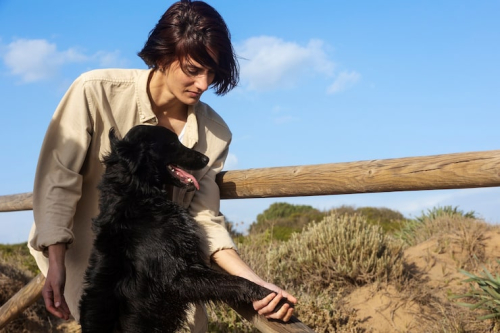
In shelters across the country, dogs often arrive carrying invisible burdens: the uncertainty of separation, the constant clamor of barking, and the weight of an unknown future. Yet a growing body of research is showing that one straightforward change in how we interact with these animals can dramatically lower their stress levels. Positive reinforcement training rewarding desired behaviors with treats, praise, play, or affection rather than punishing unwanted ones consistently produces calmer, more optimistic dogs, even in the high-pressure environment of a shelter.
Recent studies reveal measurable improvements: reduced stress-related signals such as lip-licking, yawning, and tense body postures; lower cortisol levels following training sessions; and, in some cases, a more positive outlook demonstrated through cognitive bias testing. For shelter dogs already coping with isolation and noise, these gentler, science-backed methods are proving to be a game-changer in both immediate welfare and long-term adoptability.
San Francisco has emerged as a leader in putting this research into practice. Progressive shelters and rescue groups in neighborhoods from the Mission District and Potrero Hill to SoMa, Dogpatch, Bernal Heights, the Castro District, and Noe Valley are increasingly prioritizing force-free, reward-based approaches. The results are visible: fewer fear-based behaviors, stronger human-animal connections, and dogs that are more ready to thrive in new homes.
Services such as personalized puppy training reflect and extend this same philosophy. By tailoring sessions to each dog’s unique temperament and needs, combining structured learning with safe, supervised socialization, and relying exclusively on positive reinforcement delivered by experienced trainers, these programs help puppies and young dogs build confidence from the start preventing many of the stress-related issues that shelter dogs often face later in life.
Your dog’s daily struggles pulling, mealtime anxiety, or reactivity don’t just cause stress, they chip away at the joy of being together. At Prime Paw, our positive reinforcement-based programs meet your dog where they are and build confidence, connection, and real skills. Our tailored programs in-person classes, coaching, and online resources help you enjoy calmer walks, relaxed routines, and a deeper connection. Ready for lasting change? Schedule a Prime Paw consultation today!
The Science Behind Positive Reinforcement and Stress Reduction
Positive reinforcement works by associating good outcomes with specific actions, encouraging dogs to repeat those behaviors willingly. Unlike punishment-based methods that can trigger fear, anxiety, or avoidance, rewards create a cycle of trust and eagerness to learn.
In shelter settings the contrast is especially stark. High-stress environments amplify reactivity, excessive vocalization, and withdrawal behaviors that make dogs appear less adoptable. Reward-based interventions, whether through structured sessions or even noncontingent treats delivered during quiet moments, help shift that dynamic. Dogs begin to view people and new experiences as sources of good things rather than threats.
Physiological data backs this up. Studies tracking stress hormones show significantly smaller cortisol spikes after positive sessions compared with aversive ones. Behavioral observations reveal fewer signs of tension and more relaxed body language. Over time, these changes improve not only immediate well-being but also the dog’s long-term emotional resilience.
How San Francisco Neighborhoods Are Leading the Way
The city’s animal welfare community has embraced humane training with enthusiasm. In SoMa and Dogpatch, volunteer-led playgroups and basic-skills classes emphasize rewards over corrections. Shelters serving the Castro District and Bernal Heights integrate positive reinforcement into daily care routines, helping dogs practice calm greetings and relaxed crate time.
The impact shows in faster adoption rates and happier animals. Dogs that learn to sit politely for attention or settle quietly during walks are far more appealing to potential adopters. In family-oriented neighborhoods like Noe Valley and the Mission District, where many new owners seek well-adjusted companions, early positive experiences reduce the likelihood of behavior problems surfacing after placement.
Overcoming Common Doubts About Positive Methods
Despite the evidence, several concerns persist among prospective clients and adopters.
Cost frequently tops the list. In a city where living expenses run high, some wonder whether professional training represents good value. Long-term data, however, suggests the opposite: reward-based approaches often require fewer sessions to achieve lasting results, strengthen the owner-dog bond more effectively, and lower the risk of future relinquishment caused by unmanaged behaviors.
Effectiveness for challenging cases is another frequent question. Owners of dogs with stubborn habits, reactivity, or histories of trauma sometimes doubt that treats and praise alone can make a difference. Research consistently demonstrates the opposite: positive methods succeed across a wide spectrum of temperaments precisely because they build cooperation through trust rather than compliance through fear.
Time commitment worries busy professionals and families, especially in fast-paced areas such as the Mission or Noe Valley. Fortunately, modern programs offer flexible formats short, focused daily sessions, weekend group classes, or socialization opportunities woven into everyday routines that deliver meaningful progress without demanding huge blocks of time.
From Shelter Kennel to Family Home: The Ripple Effect
When stress levels drop, the entire adoption ecosystem benefits. Calmer, more approachable dogs attract families more quickly, easing overcrowding and freeing resources for incoming animals. Lower behavioral issues post-adoption mean fewer returns and stronger long-term placements.
For new owners, the advantages continue at home. Puppies and dogs that have already experienced consistent, positive training arrive ready to learn household rules and bond quickly. Programs that emphasize both individualized training and safe group socialization create a seamless bridge between shelter or rescue and family life.
Broader market trends reinforce this shift. Pet owners increasingly treat animals as full family members and invest accordingly. The global pet toys market was valued at USD 8.88 billion in 2023 and is projected to reach USD 16.81 billion by 2030, growing at a CAGR of 9.6% from 2024 to 2030, with the dog toys segment commanding 51.94% share in 2023. North America led regionally, and the U.S. market is expected to expand at a CAGR of 8.5% over the same period.
Similarly, the global pet enrichment toy market reached USD 3.24 billion in 2024 and is anticipated to grow at a 7.2% CAGR, driven by heightened awareness of the need for mental stimulation to combat boredom and anxiety. These figures illustrate a clear cultural movement toward proactive emotional and cognitive care exactly the kind of environment in which positive reinforcement thrives.
The Road Ahead for Humane, Evidence-Based Training
As more data accumulates and success stories multiply, the momentum behind reward-based methods continues to build. Shelters and trainers across San Francisco are adopting these standards at an accelerating pace, while innovations such as technology-assisted reinforcement tools promise to extend reach even further.
For shelter dogs in the city’s vibrant neighborhoods, the implications are profound: reduced fear, richer daily experiences, quicker paths to loving homes. The evidence is now overwhelming that positive reinforcement is not merely kinder it is demonstrably more effective.
Anyone welcoming a new dog into their life, whether from a shelter or a breeder, has good reason to start with these proven, compassionate techniques. The payoff is a more confident, connected, and content companion and that is a future worth investing in.
Frequently Asked Questions
How does positive reinforcement training reduce stress in shelter dogs?
Positive reinforcement training reduces stress by rewarding desired behaviors with treats, praise, or play rather than using punishment, which creates a cycle of trust and eagerness to learn. Studies show this approach leads to measurable improvements including lower cortisol levels, fewer stress-related behaviors like lip-licking and tense body postures, and more relaxed overall demeanor. Unlike punishment-based methods that trigger fear and anxiety, reward-based training helps shelter dogs view people and new experiences as sources of good things rather than threats.
Is positive reinforcement training effective for dogs with behavioral problems or difficult temperaments?
Yes, research consistently demonstrates that positive reinforcement methods succeed across a wide spectrum of temperaments and challenging cases, including dogs with reactivity, stubborn habits, or trauma histories. These methods build cooperation through trust rather than compliance through fear, making them particularly effective for difficult behaviors. In fact, reward-based approaches often require fewer sessions to achieve lasting results compared to punishment-based training, while also strengthening the owner-dog bond more effectively.
What are the long-term benefits of positive reinforcement training for adopted shelter dogs?
Dogs trained with positive reinforcement methods show improved adoptability, faster adoption rates, and stronger long-term placements with fewer returns to shelters. These dogs arrive in their new homes calmer, more approachable, and already equipped with basic skills like polite greetings and relaxed behavior. The training creates lasting emotional resilience, reduces the likelihood of behavior problems surfacing after adoption, and helps dogs quickly learn household rules and bond with their new families.
Disclaimer: The above helpful resources content contains personal opinions and experiences. The information provided is for general knowledge and does not constitute professional advice.
You may also be interested in: Prime Paw – Based in San Francisco, we strive to educate our
Your dog’s daily struggles pulling, mealtime anxiety, or reactivity don’t just cause stress, they chip away at the joy of being together. At Prime Paw, our positive reinforcement-based programs meet your dog where they are and build confidence, connection, and real skills. Our tailored programs in-person classes, coaching, and online resources help you enjoy calmer walks, relaxed routines, and a deeper connection. Ready for lasting change? Schedule a Prime Paw consultation today!
Powered by flareAI.co