
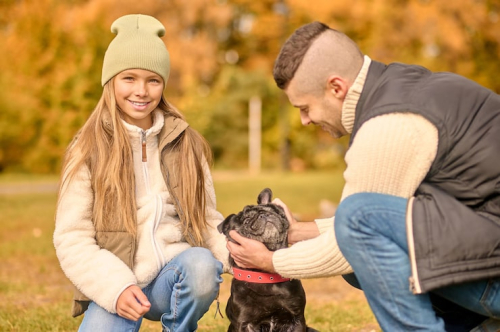
In San Francisco’s lively neighborhoods from the sun-drenched sidewalks of the Mission District to the quieter hills of Bernal Heights families are bringing dogs into their lives at an unprecedented pace. Whether it’s a bouncy new puppy or a gentle rescue joining a household with young children or additional family members, the first introductions carry lasting weight. Done thoughtfully, they build trust and prevent stress; handled hastily, they can create setbacks that take months to undo. Local trainers who work daily with city dogs stress one principle above all: slow, structured, positive experiences produce the calm, confident companions families hope for. Explore proven strategies in Creating Harmonious Beginnings: Expert Advice on Introducing Dogs to Children and New Family Members in San Francisco’s Mission District and Beyond , where experienced professionals share the approaches that consistently succeed in urban family settings.
Your dog’s daily struggles pulling, mealtime anxiety, or reactivity don’t just cause stress, they chip away at the joy of being together. At Prime Paw, our positive reinforcement-based programs meet your dog where they are and build confidence, connection, and real skills. Our tailored programs in-person classes, coaching, and online resources help you enjoy calmer walks, relaxed routines, and a deeper connection. Ready for lasting change? Schedule a Prime Paw consultation today!
San Francisco’s Evolving Dog-Owning Landscape
The city’s pet population has surged in recent years, driven by both young professionals adopting rescues and growing families adding four-legged members. Neighborhoods such as Potrero Hill, SoMa, Dogpatch, Noe Valley, and the Castro District each present distinct living conditions high-density apartments in SoMa, multigenerational homes in Bernal Heights, eclectic households in the Castro that shape how dogs adjust to children and new people.
Urban constraints amplify the need for intentional introductions. Narrow hallways, shared elevators, and busy parks mean dogs encounter constant stimuli. Trainers observe that families who prepare their pets for these realities see smoother transitions and fewer reactive behaviors over time.
Why Rushed Meetings Almost Always Backfire
Dogs process change through scent, sound, and body language long before visual contact. A sudden face-to-face encounter especially with a toddling child or an exuberant older kid can trigger fear, overstimulation, or defensiveness. Professionals across San Francisco emphasize that patience during the initial weeks prevents most common problems.
Effective introductions begin indirectly. Allow the dog to investigate a piece of clothing or a toy carrying the child’s scent while still feeling secure in their own space. When direct meetings start, choose low-pressure venues: a quiet patch of grass in a Noe Valley park or an empty stretch near the Mission District’s 24th Street corridor. The goal is familiarity without pressure.
Essential Techniques San Francisco Trainers Rely On
City professionals share a core set of practices that deliver reliable results regardless of breed or background.
- Constant, active supervision. Never leave a dog and child unattended even for a moment. Close oversight catches early stress signals and protects everyone involved.
- Clear lessons in canine communication. Teach children to recognize relaxed ears, soft eyes, and slow tail movement versus stiff posture or lip-licking. Understanding these cues empowers kids to give space when needed.
- Dedicated retreat areas. A crate, baby-gated room, or raised bed offers the dog a predictable safe zone when household energy runs high a practical necessity in compact SoMa lofts or Mission District walk-ups.
- Reward-based interactions. Treats, calm praise, and gentle play reinforce relaxed behavior around children, helping the dog associate kids with positive outcomes.
- Child-initiated distance. Encourage the dog to approach at their own pace rather than reaching toward them. Respecting choice dramatically lowers fear-driven responses.
These steps, grounded in positive reinforcement, transform uncertainty into confidence for both dog and family.
How Neighborhood Life Shapes the Process
Dense Urban Cores: Mission District & SoMa
Apartment living demands early comfort with noise, strangers, and tight quarters. Controlled group socialization sessions help puppies learn to settle amid activity, making everyday family interactions far less overwhelming.
Family-Oriented Hillsides: Potrero Hill, Bernal Heights, Noe Valley
These neighborhoods frequently feature backyards or nearby green spaces. Consistent routines short joint walks, calm play sessions reinforce predictable boundaries and help dogs integrate smoothly into busy households.
Eclectic & Multigenerational Homes: Castro & Dogpatch
Households with rotating adults or frequent visitors benefit from mapped interaction schedules. Predictability reduces stress for dogs adjusting to varied people and energy levels.
Overcoming the Most Frequent Hesitations
Cost concerns top the list for many families. “Will professional training really pay off?” others wonder, especially with high-energy puppies or dogs carrying uncertain histories. Busy parents often ask how structured classes fit into already full calendars.
The evidence points to clear long-term value. Tailored programs that blend individual coaching with supervised group practice address each dog’s specific temperament and needs, frequently producing faster, more durable results than scattered home efforts. Early investment in manners and confidence prevents costlier behavioral interventions later. Flexible scheduling intensive weekend blocks or well-spaced weekly sessions accommodates demanding routines while delivering meaningful progress.
A Market Reflecting Growing Priorities
National figures underscore the trend. According to industry analysis, the global pet services market stood at USD 60.08 billion in 2024 and is forecast to expand to USD 125.77 billion by 2033, advancing at a compound annual growth rate of 8.58% between 2025 and 2033. North America commanded the largest share 38.46% in 2024, led by the United States. Within that landscape, commercial facilities captured the biggest portion, fueled by rising disposable incomes that enable pet owners to choose premium, individualized offerings designed to improve their animal’s quality of life.
In San Francisco, this momentum appears in thriving local resources: neighborhood training groups, dog-friendly community events, and experienced professionals attuned to the city’s unique pace. Families who engage early often report shorter adjustment periods and more relaxed home environment.
Looking Ahead with Realistic Optimism
Few introductions unfold flawlessly. Minor misunderstandings are normal; the difference lies in how quickly families course-correct with patience and consistency. Viewing each step from the dog’s perspective prioritizing safety, routine, and reward turns potential friction into trust.
For households across San Francisco, partnering with trainers who emphasize individualized, positive methods remains one of the most effective ways to ensure success. A well-guided start does more than ease the transition: it lays the groundwork for a deep, enduring companionship that enriches every member of the family. Move deliberately, celebrate quiet progress, and trust that careful beginnings yield the strongest bonds.
Frequently Asked Questions
What is the best way to introduce a new dog to children in San Francisco?
Start with indirect introductions by allowing the dog to investigate items with the child’s scent before any face-to-face meeting. When direct meetings begin, choose quiet, low-pressure locations like a calm park area and always maintain active supervision. Use positive reinforcement techniques, teach children to recognize canine body language, and ensure the dog has a dedicated safe space to retreat when needed.
Why do rushed dog introductions to new family members often fail?
Dogs process change through scent, sound, and body language before visual contact, so sudden face-to-face encounters can trigger fear, overstimulation, or defensive reactions. Professional trainers emphasize that taking time during the initial weeks using gradual, controlled introductions in low-stress environments prevents most common behavioral problems and builds lasting trust between dogs and family members.
How much does professional dog training cost, and is it worth the investment for family introductions?
While upfront costs may seem significant, professional training offers clear long-term value by preventing costlier behavioral interventions later. Tailored programs that combine individual coaching with supervised group practice address each dog’s specific temperament and needs, producing faster and more durable results than scattered home efforts. Many San Francisco trainers offer flexible scheduling options including intensive weekend sessions or spaced weekly classes to accommodate busy family routines while delivering meaningful progress.
Disclaimer: The above helpful resources content contains personal opinions and experiences. The information provided is for general knowledge and does not constitute professional advice.
You may also be interested in: Prime Paw – Based in San Francisco, we strive to educate our
Your dog’s daily struggles pulling, mealtime anxiety, or reactivity don’t just cause stress, they chip away at the joy of being together. At Prime Paw, our positive reinforcement-based programs meet your dog where they are and build confidence, connection, and real skills. Our tailored programs in-person classes, coaching, and online resources help you enjoy calmer walks, relaxed routines, and a deeper connection. Ready for lasting change? Schedule a Prime Paw consultation today!
Powered by flareAI.co