
Quick Listen:
Bringing a new puppy into your home is an exhilarating experience, full of energy, curiosity, and the promise of companionship. For families in San Francisco neighborhoods such as the Mission District , Noe Valley , and Bernal Heights , that excitement comes with the realities of urban living compact apartments, bustling streets, and active dog parks. Understanding how to introduce a new puppy safely is critical for cultivating a confident, well-adjusted dog and ensuring a harmonious household.
Your dog’s daily struggles pulling, mealtime anxiety, or reactivity don’t just cause stress, they chip away at the joy of being together. At Prime Paw, our positive reinforcement-based programs meet your dog where they are and build confidence, connection, and real skills. Our tailored programs in-person classes, coaching, and online resources help you enjoy calmer walks, relaxed routines, and a deeper connection. Ready for lasting change? Schedule a Prime Paw consultation today!
Preparing Your Home and Family
Preparation sets the tone for your puppy’s success. San Francisco Animal Care & Control advises involving all family members in the adoption process. A shared commitment not only reduces the risk of a future return but also helps local shelters manage overcrowding. Thoughtful planning directly improves the likelihood of a long-term, successful placement for your puppy.
Urban living requires creative home setups. In Noe Valley walk-ups or SoMa lofts, establish designated quiet zones, crate areas, and play spaces to provide your puppy with security. Organize toys and restrict access to potentially hazardous areas such as kitchens or staircases, helping your pup learn boundaries safely and comfortably.
First Days at Home: Building Comfort and Routine
The first days at home are a careful balance of excitement and calm. House training is a top priority. The San Francisco SPCA adoption handbook recommends consistent crate use and scheduled bathroom breaks to provide structure. Puppies thrive on predictability, and early routines lay the groundwork for future training success.
Introducing your puppy to family members and neighbors should be gradual. In densely populated areas like the Mission District and Castro District, controlled social encounters reduce anxiety and encourage healthy interactions. Early positive experiences help urban pups adapt smoothly to city life.
Socialization in the City
Socialization between three and sixteen weeks is a critical window that shapes lifelong behavior. San Francisco SPCA guidance highlights that careful exposure to new sights, sounds, and friendly dogs can prevent fear-based behaviors and foster confidence.
Local Social Opportunities
- Bernal Heights: The Bernal Beast hosts supervised puppy socials for 9–18 week-old pups, providing safe, structured play. Bernal Beast puppy socials.
- San Francisco-wide: SF Puppy Prep offers controlled socialization sessions and structured classes for pre-vaccinated and vaccinated puppies, helping them develop confidence.
- Potrero Hill: Dog Play Areas provide supervised play for social skill development and basic command practice.
- Bernal Heights walking paths: Quiet trails such as Holly Park allow leash training and reinforcement of commands without overwhelming your puppy.
Integrating Your Puppy into Family Life
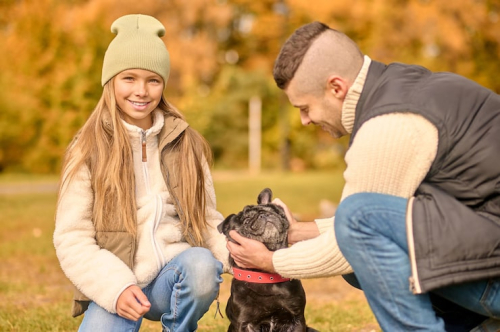
Fostering a strong bond between your puppy and your family requires intentional routines. Balance one-on-one play with family group interactions to build attachment while reducing separation anxiety. Introducing your puppy to other pets should be gradual. Begin in outdoor, low-traffic areas such as quiet streets in the Castro District, keeping initial meetings short and positive. The San Francisco SPCA provides steps for safe dog-to-dog introductions.
Urban etiquette is essential. Teaching your puppy to navigate leash rules, crowded sidewalks, and local dynamics in areas like SoMa and Dogpatch fosters composure and confidence. Positive reinforcement during these early interactions ensures a well-mannered city dog.
Urban Challenges and Safety
Even with careful preparation, urban environments pose challenges. Shelter overcrowding underscores the importance of successful early integration. SFist reports that live release rates fluctuate, emphasizing the need for early socialization and family readiness.
City living brings specific hazards: traffic, construction noise, and unpredictable encounters can stress a puppy. Gradual exposure and attentive supervision are key. Health management also requires attention until fully vaccinated, puppies should limit public contact and benefit from controlled indoor socialization.
Training Resources and Professional Support
Structured training programs and local support networks are invaluable. SF Puppy Prep and Bernal Beast classes provide guidance, teach essential skills, and help puppies build confidence.
Professional assistance from veterinarians and behavior programs through San Francisco Animal Care & Control can address early challenges and reinforce positive behavior. Urban pet owners increasingly recognize the value of professional training in strengthening bonds, improving obedience, and enhancing social behavior.
Creating a Confident Companion
Introducing a puppy to your San Francisco home combines preparation, routine, socialization, and professional support. Families who invest time and care during these early stages can foster puppies that are confident, well-behaved, and happy. By embracing the unique challenges of city life, you set the stage for a lifelong, fulfilling companionship filled with joy, love, and shared adventures.
Frequently Asked Questions
How do I prepare my home for a new puppy in a small urban apartment?
Start by designating quiet zones, crate areas, and play spaces to give your puppy a sense of security and clear boundaries. Organize toys and restrict access to hazardous areas like kitchens and staircases. In compact city homes such as walk-ups in Noe Valley or lofts in SoMa this structured setup helps your puppy learn safe limits from day one.
When is the best time to socialize a new puppy, and how should I do it safely?
The critical socialization window is between three and sixteen weeks of age, when careful exposure to new sights, sounds, and friendly dogs shapes lifelong behavior. Until your puppy is fully vaccinated, limit public contact and opt for controlled indoor or supervised socialization sessions. Local options like SF Puppy Prep classes and Bernal Beast puppy socials offer safe, structured environments ideal for this stage.
How do I introduce a new puppy to other pets already in the home?
Introductions should be gradual and always start in a low-stress, outdoor setting quiet streets or a neutral open area work well. Keep initial meetings brief and positive, rewarding calm behavior throughout. The San Francisco SPCA recommends a step-by-step approach to dog-to-dog introductions to minimize tension and build a healthy relationship over time.
Disclaimer: The above helpful resources content contains personal opinions and experiences. The information provided is for general knowledge and does not constitute professional advice.
You may also be interested in: PrimePaw Homepage – Prime Paw
Your dog’s daily struggles pulling, mealtime anxiety, or reactivity don’t just cause stress, they chip away at the joy of being together. At Prime Paw, our positive reinforcement-based programs meet your dog where they are and build confidence, connection, and real skills. Our tailored programs in-person classes, coaching, and online resources help you enjoy calmer walks, relaxed routines, and a deeper connection. Ready for lasting change? Schedule a Prime Paw consultation today!
Powered by flareAI.co