
Quick Listen:
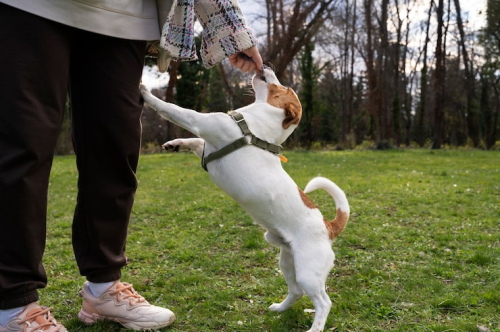
Your puppy launches into the air the instant you step through the door, paws flailing with pure joy until those same paws smear mud across your work clothes or send a guest stumbling backward. What begins as an endearing greeting quickly becomes a frustrating daily ritual. The encouraging news is that you can teach your puppy to keep all four paws on the ground using only positive, reward-based techniques that never require scolding or physical force.
In this guide to stopping puppy jumping, you will find proven, humane methods that speak directly to how dogs learn best. These approaches build confidence, deepen the bond between you and your pet, and create polite greetings that last a lifetime.
Your dog’s daily struggles pulling, mealtime anxiety, or reactivity don’t just cause stress, they chip away at the joy of being together. At Prime Paw, our positive reinforcement-based programs meet your dog where they are and build confidence, connection, and real skills. Our tailored programs in-person classes, coaching, and online resources help you enjoy calmer walks, relaxed routines, and a deeper connection. Ready for lasting change? Schedule a Prime Paw consultation today!
Understanding Why Puppies Jump
Puppies do not jump to be difficult. The behavior is deeply rooted in their natural instincts. In the wild, young canines greet returning pack members by leaping up to lick faces and gather information. In our homes this translates into excited jumping whenever someone arrives. Excitement, the desire for attention, and the simple fact that jumping has worked in the past all combine to create a four-legged missile at the front door. Recognizing the reason behind the habit helps owners respond with patience rather than frustration and focus on teaching a better alternative.
The Effectiveness of Reward-Based Training
Reward-based training, often called positive reinforcement, centers on noticing and rewarding the behavior you want instead of punishing what you don’t. Rather than pushing paws down or raising your voice actions that can increase anxiety or accidentally reinforce the jumping you calmly mark and reward calm, grounded behavior. This method not only reduces unwanted habits but also boosts your puppy’s confidence, strengthens your relationship, and improves overall sociability and safety. Professional training services continue to grow in popularity precisely because they deliver these meaningful, lasting results for pet parents worldwide.
Setting the Foundation for Success
Before you begin active training, create an environment that makes good behavior easier. Keep a lightweight leash on your puppy when you anticipate visitors so you can gently prevent jumping without confrontation. Use baby gates or a crate for brief periods to avoid rehearsing the unwanted pattern. Establish one clear household rule four paws remain on the floor during greetings and ensure every family member follows it consistently. Inconsistency is one of the fastest ways to confuse a young dog and slow progress.
Step One: Completely Ignore the Jumping
As soon as your puppy’s front paws leave the ground, turn your body away, cross your arms, and give no attention whatsoever no eye contact, no talking, no touching. Remain silent and still until all four paws are firmly planted on the floor. The instant that happens, turn back calmly, offer a quiet marker word such as “yes,” and deliver a reward. Puppies quickly learn that jumping earns nothing while keeping paws on the ground opens the door to everything they want. With steady application, many owners notice clear improvement within the first week.
Step Two: Teach an Alternative Greeting Behavior
Replace the old habit with a new one that earns the same payoff. The “sit” command is ideal. Begin practicing in quiet moments: hold a small treat just above your puppy’s nose and slowly move it back over the head. As the nose follows upward, the rear naturally drops into a sit. The moment it occurs, mark with “yes” or a click and give the treat. Once the behavior is reliable indoors, ask for a sit before opening the door or approaching your puppy. In time, the puppy will automatically offer a polite sit because that action now reliably triggers attention and rewards.
Step Three: Select and Deliver Rewards with Precision
Timing and value matter greatly in reward-based training. Start with tiny, high-value treats small pieces of chicken, cheese, or hot dog so your puppy stays highly motivated. Deliver the reward within one second of the correct behavior to create a crystal-clear connection. Gradually incorporate life rewards such as gentle praise, a quick belly rub, or a favorite toy toss. As the sit becomes automatic, reduce food treats while maintaining occasional reinforcement so the polite greeting remains strong even without constant snacks.
Common Mistakes and How to Avoid Them
- Accidentally rewarding jumps by making eye contact or speaking while the puppy is airborne.
- Giving up too soon when progress seems slow puppies test boundaries just as toddlers do.
- Inconsistent rules between family members, which confuses the learning process.
- Sessions that are too long; keep practice periods to five or ten minutes and repeat them frequently throughout the day.
Putting Training into Real-World Situations
Once the basics are solid inside the house, gradually add real-life distractions. Ask a friend to knock on the door while you practice the sit-and-greet sequence. Work on polite behavior during walks when other dogs appear. Slowly increase the level of excitement so your puppy learns to remain grounded no matter who arrives or how stimulating the situation becomes. Celebrate every small success; each polite greeting reinforces that calm behavior is the most rewarding choice.
When Professional Help Makes Sense
Most puppies master calm greetings within two to four weeks using these consistent techniques. However, if jumping persists alongside signs of fear or aggression, or if your busy schedule makes daily practice difficult, enlisting a certified professional trainer can speed results dramatically. The expanding availability of skilled trainers reflects how many owners now recognize the value of expert guidance in creating harmonious relationships with their dogs.
Creating a Calmer Home and Deeper Connection
Reward-based training achieves far more than stopping jumping. It teaches your puppy that thoughtful choices lead to positive outcomes, transforming every arrival into a moment of connection rather than chaos. You will no longer need to brace for impact or worry about muddy paw prints on guests. Begin today with one simple rule and one high-value reward. Within a few short weeks you may find yourself wondering why you ever tolerated the airborne greetings. Your puppy and your wardrobe will be forever grateful.
By committing to these positive, science-backed methods, you not only solve a common behavioral challenge but also lay the foundation for a lifetime of mutual respect and enjoyment with your growing dog. The techniques require patience and consistency, yet the payoff is a confident, well-mannered companion who greets the world with calm enthusiasm instead of uncontrolled leaps.
Frequently Asked Questions
How do I stop my puppy from jumping up on people using positive reinforcement?
To stop puppy jumping with reward-based techniques, completely ignore the behavior the moment your puppy’s paws leave the ground no eye contact, talking, or touching. The instant all four paws are back on the floor, calmly mark the moment with a word like “yes” and offer a treat. Consistency is key; with steady practice, most owners see clear improvement within the first week.
What is the best alternative behavior to teach a puppy instead of jumping?
Teaching a reliable “sit” is the most effective replacement for jumping during greetings. Practice by luring your puppy’s nose upward with a treat until their rear drops naturally, then mark and reward immediately. Once the sit is solid indoors, ask for it before opening the door or approaching your puppy over time they’ll automatically offer a polite sit because it reliably earns attention and rewards.
How long does it take to stop a puppy from jumping using reward-based training?
Most puppies learn to greet calmly within two to four weeks when reward-based techniques are applied consistently by all household members. Short, frequent training sessions of five to ten minutes work better than longer ones, and gradually practicing in real-world situations like when guests arrive or during walks helps the behavior stick. If jumping continues alongside signs of fear or aggression, consulting a certified professional trainer can accelerate results.
Disclaimer: The above helpful resources content contains personal opinions and experiences. The information provided is for general knowledge and does not constitute professional advice.
You may also be interested in: PrimePaw Homepage – Prime Paw
Your dog’s daily struggles pulling, mealtime anxiety, or reactivity don’t just cause stress, they chip away at the joy of being together. At Prime Paw, our positive reinforcement-based programs meet your dog where they are and build confidence, connection, and real skills. Our tailored programs in-person classes, coaching, and online resources help you enjoy calmer walks, relaxed routines, and a deeper connection. Ready for lasting change? Schedule a Prime Paw consultation today!
Powered by flareAI.co