
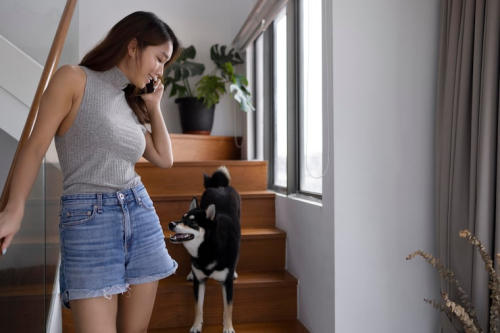
Welcoming a new puppy into your San Francisco home is a joyful milestone, but it comes with responsibilities that can’t be overlooked. From bustling sidewalks in the Mission District to the narrow stairways of Noe Valley apartments, city living presents unique hazards for young dogs. Properly preparing your home for a puppy’s safety not just comfort can prevent accidents, illness, and behavior problems, setting the stage for a happy, well-adjusted companion.
Your dog’s daily struggles pulling, mealtime anxiety, or reactivity don’t just cause stress, they chip away at the joy of being together. At Prime Paw, our positive reinforcement-based programs meet your dog where they are and build confidence, connection, and real skills. Our tailored programs in-person classes, coaching, and online resources help you enjoy calmer walks, relaxed routines, and a deeper connection. Ready for lasting change? Schedule a Prime Paw consultation today!
Why Puppy Proofing is Essential in San Francisco
San Francisco’s dense urban neighborhoods from Potrero Hill to SoMa have seen increasing incidents involving dogs, including bites and contagious illnesses. Veterinarians in the city have observed a rise in canine parvovirus cases, particularly in SoMa and nearby areas, making young puppies especially vulnerable due to their developing immune systems.
Many apartments in Castro District or Noe Valley lack expansive outdoor space, so it’s crucial to design indoor areas that are safe, stimulating, and easy to supervise. Effective puppy proofing goes beyond gates and chew toys it’s about creating a living environment that protects against hazards while encouraging healthy exploration.
Understanding the Local Dog Landscape
Dog ownership is deeply woven into San Francisco life. Tens of thousands of dogs are vaccinated against rabies annually, and community dog events are common in Bernal Heights and Mission District. With this vibrant pet culture comes the responsibility to manage both health and behavioral risks for new puppies.
Health Challenges
Canine parvovirus continues to pose a serious risk. Puppies without complete vaccinations can contract the virus, which spreads rapidly through contaminated environments. Routine vet visits, timely vaccinations, and limiting exposure to high-risk areas are essential for a healthy start.
Behavior and Training
Reports of dog bites have been increasing in San Francisco, particularly in neighborhoods with high population density like the Mission. Early socialization and leash training are critical for preventing aggressive behaviors. Additionally, demand for professional training services is growing, reflecting a city-wide commitment to pet wellness. Programs offer basic obedience, specialized therapy, and behavior modification, supporting stronger relationships between dogs and owners while promoting safe urban living dog training services market.
Common Hazards Inside Your Home
Urban homes can conceal many dangers for curious puppies. According to the San Francisco SPCA, toxic foods, medications, and rodenticides are among the most serious indoor hazards. Small objects, electrical cords, and unsecured furniture also pose significant risks if left within reach.
Creating a Safe Indoor Environment
Given the prevalence of apartment living, SFSPCA recommends that backyards should not be a puppy’s main space. Instead, gated areas, crates, and designated play zones provide both safety and stimulation. Supervision and safe toys prevent accidents while supporting physical and mental development.
Neighborhood-Specific Safety Considerations
Urban living extends safety concerns beyond the home. Busy streets in Mission District and Dogpatch demand consistent leash training. Public parks, including Dolores Park and Bernal Heights Park, are popular off-leash areas but carry risks such as encounters with urban wildlife like coyotes.
Public transit also requires careful attention. Puppies traveling on MUNI or BART must be secured in carriers, and muzzles may be necessary. Adhering to these guidelines ensures the safety of both your puppy and other commuters, making city life smoother for everyone.
Health Prevention and Veterinary Care
Vaccination campaigns play a crucial role in preventing contagious diseases like parvovirus. Local free clinics and routine veterinary visits are key to maintaining puppy health. Early interventions not only protect against illness but also help puppies become well-adjusted, confident adults.
Practical Puppy Proofing Checklist
- Store all toxic items, including foods and medications, out of reach.
- Microchip your puppy and attach ID tags for identification in densely populated neighborhoods.
- Set up gated zones or crates to provide supervised safe spaces inside your apartment.
- Invest in early training, including leash obedience, desensitization, and socialization to reduce behavioral issues.
- Follow local leash laws and avoid high-traffic streets during peak hours.
Challenges of Urban Puppy Ownership
Limited space is a reality in many San Francisco apartments. Areas in Noe Valley or Castro District often require creative indoor enrichment to meet a puppy’s physical and mental needs. Wildlife, including coyotes in Bernal Heights, can pose occasional threats, while access to veterinary care or specialized pet services may be limited. Planning and proactive strategies are essential for navigating these challenges successfully.
Expert Recommendations and Outlook
Engaging with organizations like the SFSPCA and San Francisco Animal Care & Control provides guidance and support for new dog owners. Community initiatives, such as spay/neuter campaigns and neighborhood pet education programs, improve overall safety. As urban pet ownership continues to grow, thoughtful planning and collaboration among residents and agencies will remain essential in ensuring the wellbeing of San Francisco’s puppies.
Final Thoughts
Puppy proofing is more than a checklist it’s an investment in your dog’s health, happiness, and safety. In neighborhoods from Mission District to Noe Valley, careful preparation transforms a home into a secure, enriching environment. With early training, proactive health care, and engagement with community resources, living with a puppy in San Francisco can be as rewarding as it is joyful, laying the foundation for a lifelong bond between you and your companion.
Frequently Asked Questions
What are the most common household hazards I should puppy proof before bringing home a new dog?
The most dangerous indoor hazards for puppies include toxic foods, medications, rodenticides, electrical cords, small swallowable objects, and unsecured furniture. According to the San Francisco SPCA, these items should be stored completely out of reach. Setting up gated zones, crates, and designated play areas provides safe, supervised spaces especially important in apartments with limited square footage.
How do I protect my puppy from canine parvovirus and other contagious diseases in a busy city?
Canine parvovirus is a serious risk for puppies with incomplete vaccinations, as it spreads quickly through contaminated environments a particular concern in high-density urban areas. To protect your puppy, schedule routine vet visits, keep vaccinations up to date on schedule, and limit exposure to high-risk public areas until your puppy is fully immunized. Taking advantage of local free vaccination clinics can also help ensure your puppy gets a healthy start.
When should I start training my puppy, and why is early socialization important for city dogs?
Early training and socialization are critical for puppies living in busy urban environments, where they’ll regularly encounter crowded sidewalks, strangers, other dogs, and public transit. Starting leash obedience, desensitization, and behavior modification training as early as possible helps prevent aggression and anxiety. Professional training programs which have seen growing demand in cities like San Francisco offer structured support for building a safe, well-adjusted dog.
Disclaimer: The above helpful resources content contains personal opinions and experiences. The information provided is for general knowledge and does not constitute professional advice.
You may also be interested in: PrimePaw Homepage – Prime Paw
Your dog’s daily struggles pulling, mealtime anxiety, or reactivity don’t just cause stress, they chip away at the joy of being together. At Prime Paw, our positive reinforcement-based programs meet your dog where they are and build confidence, connection, and real skills. Our tailored programs in-person classes, coaching, and online resources help you enjoy calmer walks, relaxed routines, and a deeper connection. Ready for lasting change? Schedule a Prime Paw consultation today!
Powered by flareAI.co