
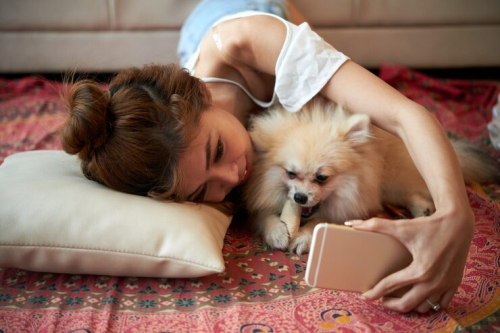
When a young puppy begins to circle the living room endlessly, shred mail left on the counter, or whine at the door long after you’ve left for work, boredom is almost certainly at play and left unchecked, it quickly fuels separation anxiety that can turn peaceful homes into stressful ones. Thoughtful puppy enrichment ideas provide the mental and physical outlets every developing dog craves, helping prevent destructive habits while building a more relaxed, confident companion.
Your dog’s daily struggles pulling, mealtime anxiety, or reactivity don’t just cause stress, they chip away at the joy of being together. At Prime Paw, our positive reinforcement-based programs meet your dog where they are and build confidence, connection, and real skills. Our tailored programs in-person classes, coaching, and online resources help you enjoy calmer walks, relaxed routines, and a deeper connection. Ready for lasting change? Schedule a Prime Paw consultation today!
Understanding the Link Between Boredom and Puppy Anxiety
Puppies enter our lives wired for exploration. Their brains are primed to investigate scents, textures, and sounds, yet many spend large portions of the day confined or alone. Without appropriate stimulation, that healthy curiosity morphs into frustration, manifesting as excessive barking, obsessive chewing, or frantic pacing. What looks like naughty behavior is usually a puppy signaling an unmet need for engagement.
Urban living and demanding schedules have made the problem more widespread. Backyards have given way to balconies, and long workdays limit interaction time. Puppies require purposeful challenges that tap into their natural drives scenting, problem-solving, digging, and social play to stay emotionally balanced. Early intervention stops minor annoyances from hardening into persistent issues that are far harder to resolve later.
Watch for telltale signals: restlessness even after meals, destructive focus on household items, or excessive attachment when you are present. Recognizing these cues early lets you introduce enrichment before anxiety becomes entrenched, setting the stage for a puppy who settles calmly and greets each day with curiosity rather than stress.
How Enrichment Reshapes Behavior and Strengthens Bonds
Enrichment is far more than busywork; it is structured mental and physical exercise that fosters emotional resilience. Activities mimicking the variety a puppy would experience outdoors searching, manipulating objects, navigating obstacles satisfy deep-seated instincts and produce measurable improvements in behavior. Puppies who receive consistent enrichment typically show reduced stress signals, quicker recovery after separations, and greater confidence when encountering novel people or places.
Owners frequently report that once enrichment becomes routine, their puppies nap more soundly, bark less at passing cars, and show markedly less frantic energy when left alone. The activities redirect surplus energy into constructive channels, sparing furniture and shoes while deepening mutual trust. Even modest daily effort yields outsized returns in household harmony and long-term well-being.
Interactive Toys Designed for Mental Fatigue
Modern interactive toys convert routine moments into engaging brain games. Puzzle feeders require active effort to release kibble, slowing fast eaters while satisfying the instinct to hunt and forage. The cognitive demand tires the mind far more effectively than physical exertion alone, leaving puppies content and less inclined to invent their own (usually destructive) entertainment.
- Stuffable rubber toys filled with a mix of kibble and frozen plain yogurt or broth for prolonged licking sessions.
- Snuffle mats that conceal treats within fleece strips, prompting natural nose work that can occupy even high-energy pups for twenty minutes or more.
- Rotating selection of treat-dispensing balls and chew toys refreshed weekly to preserve novelty and prevent habituation.
Start with easy puzzles and gradually increase difficulty to build persistence without causing frustration. Supervise the first few uses, then allow independent play as competence grows. Consistent access to these tools often leads to a dramatic drop in inappropriate chewing and noticeably longer, deeper naps.
Daily Training as Powerful Enrichment
Brief, positive training sessions rank among the most effective forms of mental stimulation. Using reward-based methods, owners can teach foundational commands, fun tricks, or impulse-control exercises that engage focus and build self-regulation. Each small success floods the puppy with confidence and reduces anxiety-driven reactivity.
Professional dog training remains highly sought after because it offers structured guidance tailored to individual needs. Formats ranging from private lessons and group classes to online workshops and intensive board-and-train programs accommodate busy lifestyles while delivering results that strengthen the owner-pet relationship and promote household harmony.
At home, aim for three to four short sessions of five to ten minutes spread across the day. Vary locations, incorporate high-value rewards, and end on a positive note. Within a few weeks most puppies display sharper attention, calmer greetings, and reduced stress around triggers such as doorbells or visitors.
Physical Activities Tailored to Growing Bodies
While mental exercise is critical, appropriate physical outlets remain indispensable. Controlled play sessions fetch in a hallway, gentle tug games, or structured zoomies release pent-up energy far more efficiently than a single long walk. These activities also improve coordination, burn calories, and trigger natural endorphin release that counters anxious feelings.
Creative setups keep things interesting without expensive gear. In backyards, use broomsticks as low jumps or cardboard boxes as tunnels. Apartment dwellers can utilize staircases for controlled climbs or long corridors for short sprints. Always match intensity and duration to the puppy’s age and breed to safeguard developing joints and ligaments.
Reliable daily play schedules create predictability that soothes separation anxiety. Puppies who anticipate stimulation learn to wait patiently, approaching quiet hours with greater composure.
Sensory Stimulation for a Balanced Nervous System
Puppies experience the world primarily through their noses and mouths. Sensory-focused activities fulfill these drives and promote calm by providing rich, low-arousal input. Scattering kibble across a lawn or rug turns meals into scent trails that engage the brain for extended periods. Snuffle mats offer the same benefit indoors with minimal cleanup.
Gradually introduce controlled household sounds recordings of traffic, children playing, or thunderstorms at low volume during relaxed moments to build noise resilience. Rotate bedding fabrics and experiment with dog-safe scents (heavily diluted lavender or chamomile) in designated rest areas to create soothing zones.
These understated additions address a frequent but overlooked cause of restlessness: sensory deprivation. Puppies who receive regular sensory variety adapt more readily to environmental changes and display fewer anxiety-driven behaviors.
Low-Cost DIY Enrichment That Delivers Results
Some of the most engaging activities cost next to nothing. Hide treats inside crumpled paper stuffed into a cardboard box for a satisfying excavation game. Place tennis balls over muffin-tin cups filled with kibble, then cover with a towel to create an instant puzzle requiring problem-solving.
Braid strips of old fleece into tug toys, or freeze broth-soaked carrots in ice-cube trays for soothing, cooling chews during teething phases. Refresh projects weekly to sustain interest, and always inspect for choking hazards before offering.
DIY projects invite family participation, turning enrichment into a shared ritual. Puppies respond enthusiastically to collective excitement, making the activities doubly rewarding.
Avoiding Common Enrichment Mistakes
Enthusiasm sometimes backfires. Bombarding a puppy with too many new toys or activities simultaneously can overwhelm rather than engage, increasing stress instead of reducing it. Introduce one element at a time, observe reactions carefully, and adjust accordingly.
Inconsistency erodes progress faster than almost anything else. A few minutes of reliable daily stimulation outperforms sporadic marathon sessions. When anxiety persists despite diligent effort, consult a veterinarian or certified behavior professional to exclude medical contributors.
Patience paired with keen observation remains the cornerstone of success. Small, responsive tweaks based on your puppy’s individual feedback produce the most enduring behavioral improvements.
Building Confidence That Lasts a Lifetime
Consistent enrichment during the critical developmental window lays the foundation for a well-adjusted adult dog. Puppies raised with diverse, thoughtful stimulation mature into adaptable companions who navigate change with composure and maintain strong, trusting relationships with their people. The modest investment of time and creativity prevents countless future headaches while creating a shared history of joyful discovery.
Choose one idea that feels manageable today perhaps a simple snuffle mat at breakfast or a quick training game before dinner and begin. Notice how quickly the frantic energy softens, the tail wags with purpose, and the household finds a calmer rhythm. Your puppy is ready to thrive; giving them the right outlets now ensures they carry that confidence forward for years to come.
Frequently Asked Questions
What are the best puppy enrichment ideas to reduce boredom at home?
Some of the most effective puppy enrichment ideas include stuffable rubber toys filled with frozen yogurt or broth, snuffle mats that encourage natural nose work, and rotating treat-dispensing puzzles to prevent habituation. DIY options like hiding treats in cardboard boxes or placing kibble under tennis balls in a muffin tin are equally engaging and cost almost nothing. Consistent daily enrichment satisfies a puppy’s instincts for scenting, foraging, and problem-solving, helping prevent destructive behaviors like chewing and excessive barking.
How does mental stimulation help reduce puppy separation anxiety?
Mental stimulation addresses the root cause of separation anxiety by giving puppies purposeful outlets for their natural curiosity and energy. Puppies who receive regular enrichment through puzzle feeders, short training sessions, and sensory activities tend to nap more deeply, bark less, and approach alone time with greater calm. Establishing a reliable daily enrichment routine creates predictability, which teaches puppies to wait patiently and feel secure even when left alone.
How can daily training sessions serve as enrichment for puppies?
Short, positive reinforcement-based training sessions of five to ten minutes, repeated three to four times a day, are among the most powerful forms of mental enrichment for puppies. Teaching basic commands, fun tricks, or impulse-control exercises engages a puppy’s focus, builds confidence, and reduces anxiety-driven reactivity to triggers like doorbells or visitors. Varying locations and using high-value rewards keeps sessions fresh and strengthens the bond between owner and puppy over time.
Disclaimer: The above helpful resources content contains personal opinions and experiences. The information provided is for general knowledge and does not constitute professional advice.
You may also be interested in: PrimePaw Homepage – Prime Paw
Your dog’s daily struggles pulling, mealtime anxiety, or reactivity don’t just cause stress, they chip away at the joy of being together. At Prime Paw, our positive reinforcement-based programs meet your dog where they are and build confidence, connection, and real skills. Our tailored programs in-person classes, coaching, and online resources help you enjoy calmer walks, relaxed routines, and a deeper connection. Ready for lasting change? Schedule a Prime Paw consultation today!
Powered by flareAI.co