
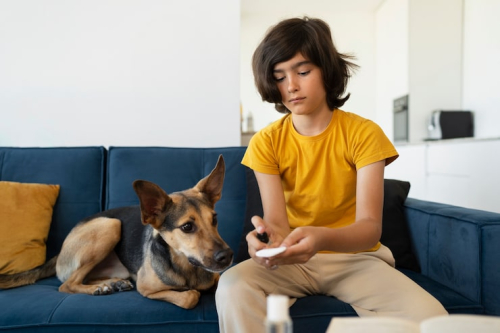
Every puppy arrives with a powerful drive to investigate the world. Their brains thrive on novelty, pattern recognition, and small victories. When that natural curiosity meets long stretches of monotony, destructive outlets quickly appear. A couch cushion becomes a dissection project. The baseboard turns into a chew toy. What owners label “naughty” is frequently an intelligent animal desperately trying to occupy an empty mental schedule.
These patterns solidify rapidly. A few unchallenged afternoons can establish habits that persist into adulthood. The most effective long-term strategy isn’t waiting for the puppy to “grow out of it” it’s proactive prevention through daily brain work that satisfies the same curiosity driving the unwanted actions.
Your dog’s daily struggles pulling, mealtime anxiety, or reactivity don’t just cause stress, they chip away at the joy of being together. At Prime Paw, our positive reinforcement-based programs meet your dog where they are and build confidence, connection, and real skills. Our tailored programs in-person classes, coaching, and online resources help you enjoy calmer walks, relaxed routines, and a deeper connection. Ready for lasting change? Schedule a Prime Paw consultation today!
Redefining Mental Stimulation
Mental stimulation goes far beyond piling up more toys. It means deliberately creating situations that require the puppy to think, choose, persist, and succeed. Activities as simple as searching for scattered kibble or manipulating a treat-dispensing toy engage memory, problem-solving, and impulse control far more intensely than repetitive physical play.
The real advantage lies in accessibility. A five-minute “find it” game using ordinary kibble can deliver richer cognitive payoff than a thirty-minute fetch session. Frequent, brief challenges respect a young dog’s still-maturing attention span while steadily building focus and resilience.
What Science Tells Us About Canine Minds
Studies in canine cognition repeatedly demonstrate that dogs receiving regular mental challenges show reduced stress indicators, improved self-regulation, and stronger frustration tolerance. A brain kept actively engaged produces lower baseline anxiety and better emotional recovery after startling events. In everyday terms, mentally enriched puppies are less likely to panic during alone time or react explosively to minor frustrations.
The long-term payoff is even more significant. Early experiences that reward thoughtful behavior create adults who default to cooperation rather than improvisation. The partnership that develops through shared problem-solving runs deeper and proves far more durable than one built solely on physical activity.
Professional Training’s Surprising Mental Value
Basic obedience lessons are frequently viewed as etiquette classes, yet they provide some of the most concentrated mental workouts available to pet dogs. The growing popularity of dog training services reflects how seriously modern owners take this developmental piece. While professional instruction can fast-track progress, the foundation and the greatest sustained benefit comes from short, consistent home sessions.
Classic commands become genuine cognitive games when you change variables: practice “sit” at greater distances, add mild distractions, switch locations. Each variation forces fresh decision-making. Correct choices flood the brain with reinforcement. Within weeks, many unwanted behaviors naturally diminish because the puppy now has more rewarding ways to channel energy and attention.
Practical Enrichment Tools Already at Home
You don’t need expensive equipment to begin. Some of the highest-impact activities rely on items already in your kitchen or yard:
- Scatter feeding Toss dry food across grass, carpet, or snow. Ten minutes of active sniffing exhausts mental energy more effectively than twenty minutes of aimless pacing.
- Simple puzzle progression Begin with treats rolled inside a towel, advance to basic treat-dispensing toys. Rotate items weekly so novelty remains high.
- Scent work basics Hide a favorite toy or a small smear of something aromatic and guide the search. A puppy’s nose is its most powerful tool give it purposeful employment.
- Wait-for-release drills Place a treat on the floor, ask for a stay, then release with permission. Each successful pause strengthens the self-control that prevents impulse-driven mischief.
Consistency trumps complexity. Five brief sessions distributed across the day usually prevent the late-afternoon restlessness that sparks most trouble.
Avoiding the Most Common New-Owner Mistakes
Many dedicated owners pour energy into physical exhaustion while overlooking mental fatigue. A physically tired puppy with an unengaged brain remains restless and inventive. Others overwhelm their young dog with too many new challenges simultaneously, causing confusion or shutdown rather than engagement. Steady, incremental increases one fresh task per week yield the best long-term results.
Perhaps the most widespread misconception is believing problem behaviors will fade naturally with maturity. Without early guidance, the anxious barker or destructive chewer simply matures into an adult version with greater volume and stronger teeth. Mental enrichment during the critical developmental window helps rewire those pathways while they remain most flexible.
Measurable Changes Owners Notice First
Puppies receiving daily mental work often show visible improvement within two to four weeks. House-training progresses faster because a mentally occupied mind tests boundaries less frequently. Social play with other dogs becomes more polite. The constant need to mouth hands, clothing, and furniture eases noticeably.
Over months, these dogs handle change with greater calm. New environments provoke curiosity instead of fear. Car rides become routine rather than stressful. Guests receive polite greetings instead of frantic jumping. The modest daily investment compounds into a noticeably more adaptable, relaxed adult dog.
Creating a Sustainable Daily Rhythm
The owners who see the most lasting success treat mental stimulation like any other non-negotiable habit quick, automatic, woven into ordinary routines. Morning scatter feeding while the coffee brews. Midday puzzle during lunch. Evening training game before the last walk. Once the pattern settles, it requires almost no extra planning.
Keeping a casual progress log helps sustain momentum. A quick phone note “Today the towel puzzle took thirty seconds instead of five minutes” turns small victories into visible proof that the effort matters.
Why This Matters More Than Ever
As dogs continue moving deeper into family life, attention to mental well-being grows correspondingly. The same societal shifts that fuel demand for structured training are encouraging everyday owners to become thoughtful enrichment partners. The result is meaningful: fewer dogs relinquished for preventable behavior issues, stronger lifelong bonds, and puppies who mature into the calm, joyful companions most people envision when they first bring that tiny whirlwind home.
This weekend, try something small. Scatter a handful of kibble across the floor and watch. In the focused sniffing that follows, you’ll witness more than the beginning of better manners you’ll see a young mind lighting up with purpose.
Frequently Asked Questions
How does mental stimulation help prevent behavior problems in puppies?
Mental stimulation addresses the root cause of most puppy misbehavior an understimulated brain. When puppies lack intellectual challenges, they create their own amusement through destructive outlets like chewing furniture or excessive barking. Activities such as scatter feeding, puzzle toys, and scent work engage problem-solving and impulse control, giving puppies a rewarding outlet for their natural curiosity before bad habits have a chance to form.
What are easy mental stimulation activities for puppies at home?
You don’t need expensive equipment to mentally engage your puppy. Simple techniques include scatter feeding (tossing kibble across grass or carpet), hiding toys for scent-based searches, rolling treats inside a towel, and practicing “wait-for-release” drills with a treat on the floor. Even five short sessions spread throughout the day can prevent the late-afternoon restlessness that typically triggers most problem behaviors.
How soon will I see results from daily mental enrichment for my puppy?
Most owners notice visible improvements within two to four weeks of consistent daily mental stimulation. House-training tends to progress faster, mouthing of hands and furniture decreases, and social play with other dogs becomes more polite. Over several months, mentally enriched puppies develop greater adaptability handling new environments, car rides, and guests with calm curiosity rather than anxiety or frantic behavior.
Disclaimer: The above helpful resources content contains personal opinions and experiences. The information provided is for general knowledge and does not constitute professional advice.
You may also be interested in: PrimePaw Homepage – Prime Paw
Your dog’s daily struggles pulling, mealtime anxiety, or reactivity don’t just cause stress, they chip away at the joy of being together. At Prime Paw, our positive reinforcement-based programs meet your dog where they are and build confidence, connection, and real skills. Our tailored programs in-person classes, coaching, and online resources help you enjoy calmer walks, relaxed routines, and a deeper connection. Ready for lasting change? Schedule a Prime Paw consultation today!
Powered by flareAI.co