
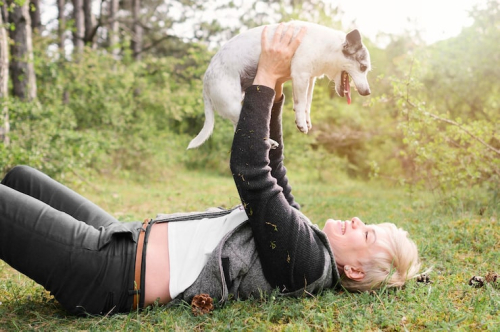
Imagine a fluffy eight-week-old Lab puppy tearing through your living room like a tiny tornado, leaving a trail of shredded toys and toppled lamps. High-energy puppies don’t misbehave to spite you; their bodies and brains are simply engineered for action. The good news is that positive reinforcement techniques offer the most effective, science-backed path to transform that whirlwind into a focused, joyful companion. With growing numbers of owners turning to reward-based methods, professional training services have become an increasingly popular resource for building better-behaved, well-adjusted dogs.
Your dog’s daily struggles pulling, mealtime anxiety, or reactivity don’t just cause stress, they chip away at the joy of being together. At Prime Paw, our positive reinforcement-based programs meet your dog where they are and build confidence, connection, and real skills. Our tailored programs in-person classes, coaching, and online resources help you enjoy calmer walks, relaxed routines, and a deeper connection. Ready for lasting change? Schedule a Prime Paw consultation today!
Why Force Backfires with High-Energy Breeds
Many popular breeds Border Collies, Australian Shepherds, young Retrievers, energetic Terriers were developed to work long hours herding, hunting, or pulling. That genetic programming doesn’t switch off just because they now live in a suburban home. When pent-up drive meets punishment-based corrections, the typical outcomes are frustration, avoidance behaviors, and a dog that learns to work around you rather than with you.
Positive reinforcement reverses the dynamic. Instead of suppressing unwanted actions, it actively builds desirable ones. The puppy quickly discovers that sitting politely earns treats faster than jumping earns attention, so calm behavior becomes the path of least resistance and the most rewarding one.
The Science Behind Marker-Based Training
At its foundation, positive reinforcement relies on precise timing and immediate consequences. A clear marker most commonly a clicker’s sharp sound or a crisp verbal “Yes!” tells the dog the exact instant they performed the right action. Because the marker is followed instantly by something the puppy values (food, play, praise), the brain releases dopamine, strengthening neural pathways associated with that behavior.
High-energy puppies thrive in this system. They are already highly motivated by excitement and movement; when training becomes an engaging game that produces rewards, they stay mentally locked in far longer than they would during repetitive corrections.
Essential Gear Without the Overload
Effective training doesn’t require an arsenal. A bait pouch filled with tiny, high-value treats (freeze-dried liver, small bits of chicken, cheese) keeps rewards accessible. A standard six-foot nylon or leather leash provides enough freedom for movement while maintaining safety. For many owners a clicker accelerates learning; for others the voice marker works just as well.
Environment sets the stage for success. Begin sessions in the least distracting room possible. Five- to eight-minute bursts repeated two or three times a day produce far better retention than a single exhausting half-hour session. Short, frequent practice keeps the puppy fresh and eager rather than mentally fatigued.
Proven Techniques to Harness Explosive Energy
Building a Rock-Solid “Sit” and “Down”
Start with luring: hold a treat just above the nose and slowly move it back over the head until the puppy naturally drops into a sit. The instant the hips touch the floor, mark and reward. After ten to fifteen repetitions, fade the lure and use only the hand signal. The same backward-and-down motion works for “down.” Within a few short sessions most puppies offer the behavior before the treat even appears.
Transforming the Leash into a Communication Tool
Loose-leash walking often feels impossible with a high-octane puppy. Instead of pulling the dog back, stop moving the moment the leash tightens, then reward heavily the second slack returns even if it’s only for one step. Over time the puppy learns that tension makes progress disappear while slack brings forward motion and treats. Patience here pays enormous dividends.
Turning Play into Structured Rewards
Many high-drive puppies value a game of tug or a thrown ball more than any treat. After a successful command chain, release into thirty seconds of enthusiastic play. During tug games deliberately teach “drop it” and “take it” so the activity remains controlled and safe. Play rewards keep arousal channeled productively instead of letting it spill into destructive zooming.
Customizing Rewards for Maximum Motivation
Not every puppy ranks rewards the same way. Observe closely: does your pup abandon everything for a squeaky toy, or does roast chicken trump every distraction? Rank-order the hierarchy and rotate through the top items to prevent satiation. For the most intense dogs, stack rewards deliver a treat, add enthusiastic praise, then toss a ball. Timing remains critical: the reward must arrive within one second of the marker so the association stays razor-sharp.
Schedule sessions strategically. Puppies are hungriest and most focused right before meals, making breakfast and dinner ideal training windows when motivation peaks naturally.
Embedding Training into Everyday Routines
The real magic happens when training stops feeling like a separate chore. Require a polite “sit” before clipping on the leash, a “wait” before food bowls hit the floor, a brief “down” before opening the back door. Scatter a handful of kibble across the floor for a quick “find it” game instead of pouring it into a dish. These micro-sessions accumulate thousands of reinforced repetitions without adding extra time to your day.
During walks, quietly reward every few steps of loose leash rather than only intervening when pulling occurs. The puppy soon realizes that checking in and staying near you keeps the good things flowing.
Avoiding the Most Frequent Trainer Mistakes
Repeating a command multiple times teaches the dog the first word is meaningless and only the third or fourth matters. Issue each cue once, then help if necessary. If the puppy is over threshold too excited to think burn off some steam with a quick game before asking for focus.
Another common error is measuring progress in days instead of weeks. High-energy breeds often hit adolescence around six to eighteen months, a period when hormones amplify impulsivity. Consistent owners who celebrate incremental improvements see the most dramatic long-term transformation.
Knowing When to Call in Experts
Home training works beautifully for the majority of puppies, but certain challenges signal the need for professional guidance: early signs of reactivity toward people or dogs, intense separation distress, resource guarding that escalates quickly, or simply an owner feeling overwhelmed. Today’s positive-reinforcement trainers offer flexible formats private lessons, small group classes, day training, or board-and-train programs tailored to different schedules and learning styles.
The Deeper Reward: A Partnership That Lasts
After several months of consistent reward-based work, most owners notice a profound shift. The puppy who once launched off furniture now glances toward you for direction. Walks evolve from battles into relaxed companionship. The relationship moves beyond obedience to mutual understanding and trust. Positive reinforcement doesn’t extinguish a high-energy dog’s natural fire; it teaches that fire where and how to burn most brightly right beside you.
With patience and the right techniques, that once-chaotic whirlwind becomes a reliable, attentive partner who chooses cooperation because it feels good, not because it has no other option.
Frequently Asked Questions
What is the best positive reinforcement technique for high-energy puppies?
The most effective technique is marker-based training, which uses a clicker or a clear verbal cue like “Yes!” to pinpoint the exact moment a puppy performs the desired behavior, immediately followed by a high-value reward. This method works especially well for high-energy breeds like Border Collies, Australian Shepherds, and young Retrievers because training becomes an engaging, rewarding game that holds their attention. Short sessions of 5–8 minutes, repeated 2–3 times daily, produce better results than longer, exhausting sessions.
How do I stop my high-energy puppy from pulling on the leash?
The key is to stop moving the instant the leash tightens, then reward generously the moment slack returns even for just one step. This teaches your puppy that tension halts all forward progress, while a loose leash means treats and movement. Consistently rewarding every few steps of loose-leash walking, rather than only reacting to pulling, accelerates the learning process significantly.
When should I consider hiring a professional dog trainer for my high-energy puppy?
While most puppies respond well to at-home positive reinforcement training, professional help is recommended if you notice early signs of reactivity toward people or other dogs, intense separation anxiety, resource guarding, or if you simply feel overwhelmed. Certified positive-reinforcement trainers offer flexible options including private lessons, small group classes, and board-and-train programs to fit different schedules. Seeking expert guidance early can prevent minor behavioral issues from developing into more serious problems during the adolescent phase (6–18 months).
Disclaimer: The above helpful resources content contains personal opinions and experiences. The information provided is for general knowledge and does not constitute professional advice.
You may also be interested in: PrimePaw Homepage – Prime Paw
Your dog’s daily struggles pulling, mealtime anxiety, or reactivity don’t just cause stress, they chip away at the joy of being together. At Prime Paw, our positive reinforcement-based programs meet your dog where they are and build confidence, connection, and real skills. Our tailored programs in-person classes, coaching, and online resources help you enjoy calmer walks, relaxed routines, and a deeper connection. Ready for lasting change? Schedule a Prime Paw consultation today!
Powered by flareAI.co