
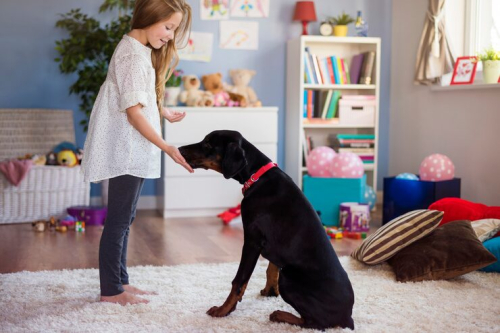
Welcoming a new puppy into your home sparks instant joy those clumsy paws, curious sniffs, and bursts of zoomies around the living room. But very quickly the reality settles in: this adorable creature needs guidance to become a welcome member of the household rather than a source of constant chaos. Teaching commands the positive way isn’t about strict obedience or quick fixes; it’s about clear communication, mutual trust, and laying the groundwork for a lifetime of companionship. Done thoughtfully, training sessions become the highlight of your day together rather than a battle of wills.
As millions more households embrace pet parenthood each year, interest in humane, effective training continues to rise. Owners increasingly recognize that well-mannered dogs enjoy greater freedom, face fewer restrictions, and form deeper connections with their families. The specialized guidance that helps pets behave appropriately in different situations not only reduces problem behaviors but also enhances confidence, sociability, and overall safety outcomes that matter enormously to today’s pet parents.
Your dog’s daily struggles pulling, mealtime anxiety, or reactivity don’t just cause stress, they chip away at the joy of being together. At Prime Paw, our positive reinforcement-based programs meet your dog where they are and build confidence, connection, and real skills. Our tailored programs in-person classes, coaching, and online resources help you enjoy calmer walks, relaxed routines, and a deeper connection. Ready for lasting change? Schedule a Prime Paw consultation today!
Why Positive Reinforcement Has Become the Gold Standard
Modern dog training rests firmly on positive reinforcement: reward the behavior you want to see again, and it will happen more often. Rather than correcting unwanted actions through scolding, physical corrections, or intimidation, you mark and reinforce desirable choices typically with small, high-value treats, enthusiastic praise, a quick game of tug, or a favorite toy. This method aligns with how the canine brain actually works: dogs, like all learning animals, repeat actions that produce pleasant consequences.
Decades of behavioral science and countless real-world success stories demonstrate that positive techniques build eager, confident learners far more reliably than punishment-based systems. Fear or discomfort during training often suppresses behavior temporarily while creating anxiety, avoidance, or even aggression. Reward-based work, by contrast, produces dogs that actively offer behaviors because they genuinely want to engage with you. The emotional bond that develops through shared positive experiences becomes one of the strongest motivators your puppy will ever have.
Creating the Optimal Learning Environment
Success starts long before you say your first command. Puppies learn best in brief, focused bursts aim for 3–10 minutes depending on age and energy level. Schedule sessions before meals when motivation peaks, but never when your pup is overly hungry or exhausted. Begin in a low-distraction setting (quiet kitchen or hallway), then systematically add real-world challenges: another room, the backyard, the sidewalk, eventually a park.
Household consistency proves non-negotiable. Everyone must use identical cue words, hand signals (if used), tone of voice, and reward timing. Mixed messages confuse puppies and slow progress dramatically. Keep your energy upbeat and patient; frustration travels down the leash faster than you realize. When you stay calm and celebratory, your puppy remains receptive and optimistic even on slower days.
Mastering the Foundational Commands
Start with a small handful of high-utility behaviors that deliver immediate practical value while giving your puppy frequent wins that build confidence.
The Sit Command Your Puppy’s First Big Win
Most trainers introduce “sit” early because the mechanics are straightforward and the applications endless. Hold a treat at nose level, then slowly arc it backward over the head. As the nose lifts to follow, the rear naturally lowers. The split second the bottom touches the floor, say “yes!” (or click) and deliver the treat. After a dozen or so repetitions, say “sit” right before you begin the lure motion. Gradually fade the hand signal until the verbal cue alone triggers the response.
Practice in doorways, before meals, during greetings anywhere a polite sit prevents jumping or barging. Within weeks most puppies offer the behavior proactively because it reliably earns good things.
Stay Teaching Self-Control
Build on a reliable sit by adding duration and distance. Ask for “sit,” present an open palm like a traffic officer, say “stay,” then take one small step backward. Return within two seconds and reward lavishly if the position held. Incrementally extend time (three seconds, five, ten) and distance before adding distractions (toys rolling by, family members walking past).
A strong stay prevents dangerous dashes toward open doors or streets and teaches valuable impulse control that generalizes to many other situations.
Come The Emergency Recall
Nothing matters more than a lightning-fast, enthusiastic recall. Begin indoors: say your puppy’s name + “come” in your happiest voice while backing away and clapping or patting your legs. When they hurry toward you, celebrate like they just won the lottery jackpot treats, belly rubs, silly praise. Never use “come” to end fun or deliver scolding; that poisons the cue.
Once reliable on leash, practice in safely enclosed outdoor spaces, gradually increasing distance and temptation level. A dependable recall is one of the greatest gifts you can give both your puppy and yourself.
Expanding the Repertoire
With the basics solid, layer on commands that add refinement and solve common challenges:
- Down Lure from sit by drawing the treat straight down to the floor between the front paws, then slowly forward along the ground until the elbows touch down. Mark and reward the moment the belly settles.
- Leave it Show a treat in one hand, close the fist, and say “leave it.” The instant your puppy stops mouthing or pawing, reward from the other hand. This powerful cue prevents stealing food, picking up dangerous objects, or chasing forbidden items.
- Heel Reward position beside your left leg during short walking segments. Use frequent treats to keep eyes on you; gradually stretch the duration between rewards as focus improves.
Each new behavior builds on previous successes, creating a puppy who understands that paying attention to you pays dividends.
Avoiding the Most Common Training Mistakes
Even dedicated owners stumble into pitfalls that slow progress. Repeating a cue multiple times (“sit sit SIT”) teaches the puppy that the first or second repetition doesn’t matter only the third does. Give one clear cue; if no response follows, quietly lure or gently guide, then reward success so the single word retains power.
Another frequent error is failing to fade food rewards. Begin by rewarding every correct response, then every other, then randomly, while keeping verbal praise, petting, and play consistent reinforcers. Puppies also lose focus quickly always quit while they’re still succeeding so they finish eager for the next session.
When progress stalls or frustration rises, pause. Dogs read our emotions with uncanny accuracy. A short break often resets both of you more effectively than pushing through irritation.
The Deeper Purpose of Training
At its heart, teaching commands is relationship work. Each successful repetition strengthens the idea that you are the most interesting, predictable, and rewarding part of your puppy’s world. That certainty creates a dog who checks in with you naturally, who defers calmly in confusing situations, and who approaches life with curiosity rather than anxiety.
The growing popularity of personalized, positive training reflects a broader cultural shift: we increasingly view our pets as family members deserving of respectful, science-informed guidance. You don’t need expensive equipment, professional credentials, or marathon sessions. What you do need is consistency, timing, genuine enthusiasm, and a generous supply of patience. Invest those qualities early, and the payoff lasts for years a confident, joyful companion who truly understands what you’re asking and delights in responding.
Frequently Asked Questions
What is the most effective method for teaching puppies new commands?
Positive reinforcement is widely considered the gold standard for puppy training. This approach rewards desired behaviors with treats, praise, or play, which encourages dogs to repeat those actions. Unlike punishment-based methods, reward-based training builds confident, eager learners while strengthening the bond between dog and owner.
What are the first commands I should teach my new puppy?
Start with high-utility foundational commands like *sit*, *stay*, and *come*, as these deliver immediate practical value and give your puppy frequent confidence-boosting wins. “Sit” is ideal for beginners due to its straightforward mechanics, while a reliable recall (“come”) is one of the most important safety commands you can teach. Once these are solid, you can expand to *down*, *leave it*, and *heel*.
How long should puppy training sessions be, and how often should I train?
Puppies learn best in short, focused sessions lasting 3–10 minutes, depending on your pup’s age and energy level. It’s best to train before meals when motivation is highest, but avoid sessions when your puppy is overly hungry or tired. Always end on a successful note so your puppy stays enthusiastic and looks forward to the next session.
Disclaimer: The above helpful resources content contains personal opinions and experiences. The information provided is for general knowledge and does not constitute professional advice.
You may also be interested in: PrimePaw Homepage – Prime Paw
Your dog’s daily struggles pulling, mealtime anxiety, or reactivity don’t just cause stress, they chip away at the joy of being together. At Prime Paw, our positive reinforcement-based programs meet your dog where they are and build confidence, connection, and real skills. Our tailored programs in-person classes, coaching, and online resources help you enjoy calmer walks, relaxed routines, and a deeper connection. Ready for lasting change? Schedule a Prime Paw consultation today!
Powered by flareAI.co