
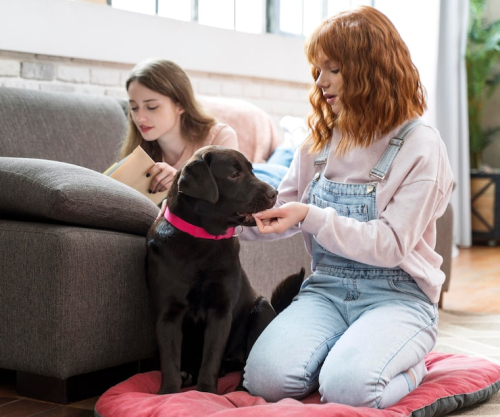
Welcoming a puppy into your home ranks among life’s purest joys: tiny paws pattering across the floor, bright eyes tracking your every move, and that first sleepy cuddle that seals an unspoken promise. For first-time owners, however, the difference between a confident, adaptable adult dog and one plagued by anxiety often comes down to what happens during those critical early weeks. Thoughtful, structured puppy socialization remains the single most powerful tool available to shape a lifetime of calm behavior and trust.
Recent industry figures show the global dog training services market reached USD 3.53 billion in 2024, signaling how many new owners now recognize professional guidance and early education as essential rather than optional. The steady rise in demand underscores a practical reality: investing time in proper socialization during puppyhood dramatically reduces future stress for both dog and family.
Your dog’s daily struggles pulling, mealtime anxiety, or reactivity don’t just cause stress, they chip away at the joy of being together. At Prime Paw, our positive reinforcement-based programs meet your dog where they are and build confidence, connection, and real skills. Our tailored programs in-person classes, coaching, and online resources help you enjoy calmer walks, relaxed routines, and a deeper connection. Ready for lasting change? Schedule a Prime Paw consultation today!
The Lifelong Impact of Early Social Experiences
Socialization is not merely about teaching a puppy to “be nice.” It is the process of building emotional resilience so the dog perceives unfamiliar people, animals, surfaces, and sounds as neutral or positive rather than dangerous. Puppies who receive limited or haphazard exposure during their formative period frequently develop persistent fears: lunging at delivery personnel, freezing at the sight of strollers, or trembling during thunderstorms. These reactions burden households and limit a dog’s quality of life.
When socialization is done thoughtfully, the payoff appears in countless small, meaningful ways. A well-adjusted dog settles quickly into new environments, travels more comfortably, and copes better with household changes such as a new baby or renovation noise. Veterinary appointments become routine rather than traumatic, and daily walks turn into shared pleasure instead of management exercises. The foundation laid in puppyhood quietly determines how easily a dog navigates the next decade or more beside you.
The Critical Developmental Window You Cannot Reopen
From approximately three to sixteen weeks of age, a puppy’s brain is exceptionally plastic. Novel stimuli trigger curiosity instead of alarm, allowing rapid, lasting learning about safety. After roughly four months the same experiences tend to be processed with greater caution, requiring more repetition and patience to achieve comparable comfort.
This does not render later intervention useless far from it but starting within the golden window accelerates progress exponentially. Consult your veterinarian about safe outings, then begin with short, positive exposures. Even ten carefully managed minutes a day during this period can spare months of counter-conditioning down the road.
Building Comfort Around All Kinds of People
Diversity matters. Arrange visits from men and women, teenagers and seniors, individuals wearing hats, uniforms, or carrying bags. Always allow the puppy to approach at their own speed; force accelerates fear more often than confidence. Reward calm observation with high-value treats delivered from an open hand so new faces become predictors of good things.
Systematic, gentle body handling lifting paws, examining ears, brushing teeth prepares the puppy for routine care and medical procedures. Brief, controlled interactions with neighbors or service workers reinforce that people in motion do not represent threats. Steady, incremental progress trumps dramatic one-day breakthroughs every time.
Learning to Speak Dog the Right Way
Well-run puppy socialization classes remain one of the most efficient ways to teach appropriate canine communication. Seek programs emphasizing positive reinforcement and supervised, structured play rather than chaotic free-for-alls. In these settings puppies learn bite inhibition, reading body language, and polite turn-taking skills difficult to teach reliably in unstructured environments.
Supplement classes with carefully chosen one-on-one playdates using calm, socially adept adult dogs whose vaccinations are current. Monitor for relaxed postures: soft facial expressions, gentle tail wags, play bows. Interrupt before excitement escalates into tension. Brief, successful encounters build confidence far more effectively than prolonged, overwhelming sessions.
Gradually Expanding the Comfort Zone Outdoors
Begin with quiet streets, letting the puppy experience different textures soft grass, crunchy leaves, smooth pavement, grated storm drains. Each new surface strengthens proprioception and curiosity. Progress slowly to busier settings: parks, outdoor cafés, public transportation platforms (where permitted).
Introduce common urban sounds at manageable volumes: doorbells, sirens, skateboards, heavy traffic. Pair every novel stimulus with enthusiastic praise and treats so the puppy learns that strange noises forecast pleasant outcomes. Frequent, relaxed car rides transform travel from a source of distress into ordinary routine.
Everyday Routines That Strengthen Social Resilience
- Keep premium treats on hand for unexpected positive encounters with people or calm dogs.
- Choose a well-fitted harness and lightweight leash that prevent pulling without creating tension.
- Maintain a simple log of novel experiences to identify gaps and celebrate progress.
- Always finish outings on a successful note, leaving the puppy eager for the next adventure.
Consistency outperforms intensity. Five focused, enjoyable minutes daily yield greater long-term confidence than sporadic marathon sessions.
Avoiding the Most Frequent First-Time Mistakes
Excessive caution frequently backfires. Keeping a puppy entirely at home “for safety” often produces an adult dog fearful of everything beyond the front door. Conversely, flooding a young puppy with overwhelming stimuli crowded markets, chaotic dog parks can cement lasting aversions that prove difficult to reverse.
Inconsistent rules confuse puppies most of all. Greeting visitors warmly one day and shooing them away the next sends mixed signals. Clear, predictable boundaries, combined with basic cues such as “sit” or “look at me,” equip the puppy with practical tools for handling novel situations calmly and appropriately.
Knowing When to Seek Expert Support
Occasionally a puppy displays pronounced fearfulness or reactivity that home socialization alone cannot address. Early consultation with a credentialed trainer or veterinary behaviorist prevents small issues from hardening into entrenched patterns. Many owners report that targeted professional programs deliver rapid, lasting transformation.
Intervention at the first signs of struggle preserves household harmony and deepens the human-canine bond before frustration sets in.
The Dog You’ll Share Your Life With
Effective puppy socialization is less a finite task than an attitude: a commitment to viewing the world through your dog’s eyes and meeting novelty with patience and positivity. The hours devoted now return multiplied in easier travel, relaxed family gatherings, greater freedom during daily life, and most importantly a profound mutual trust that withstands whatever the years bring.
First-time owners who approach socialization deliberately often reflect years later that their dog feels like a true family member rather than a project to manage. Perfection is neither required nor realistic; steady, kind guidance is. Your puppy stands ready to embrace the world. The only remaining question is whether you are prepared to lead with confidence and consistency.
Begin today one gentle introduction, one calm walk, one quiet moment of shared discovery at a time. The joyful, adaptable companion waiting at the end of this road is worth every careful step.
Frequently Asked Questions
When should I start socializing my puppy, and is there a critical window I might miss?
The most important socialization window runs from approximately 3 to 16 weeks of age, when a puppy’s brain is highly receptive to new experiences. During this period, novel stimuli spark curiosity rather than fear, making it easier to build lasting comfort with people, animals, and environments. After around four months, the same experiences require more repetition to achieve similar results. Starting early even with just ten minutes of positive exposure per day can prevent months of counter-conditioning later on.
What are the best puppy socialization practices for first-time dog owners?
First-time owners should introduce their puppy to a wide variety of people, sounds, surfaces, and environments in a calm, positive way always pairing new experiences with high-value treats and praise. Enrolling in a structured puppy socialization class that uses positive reinforcement is one of the most effective approaches, as it also teaches bite inhibition and canine body language. Consistency matters more than intensity: short, enjoyable daily outings build confidence far more reliably than occasional overwhelming experiences.
How do I know if my puppy needs professional help with socialization or fear?
If your puppy shows pronounced fearfulness, reactivity, or anxiety that doesn’t improve with gentle home socialization, it’s a good idea to consult a credentialed trainer or veterinary behaviorist early. Addressing these issues at the first signs of struggle prevents small problems from developing into deep-seated behavioral patterns that are harder to reverse. Many owners find that targeted professional programs deliver faster, longer-lasting results than home efforts alone.
Disclaimer: The above helpful resources content contains personal opinions and experiences. The information provided is for general knowledge and does not constitute professional advice.
You may also be interested in: PrimePaw Homepage – Prime Paw
Your dog’s daily struggles pulling, mealtime anxiety, or reactivity don’t just cause stress, they chip away at the joy of being together. At Prime Paw, our positive reinforcement-based programs meet your dog where they are and build confidence, connection, and real skills. Our tailored programs in-person classes, coaching, and online resources help you enjoy calmer walks, relaxed routines, and a deeper connection. Ready for lasting change? Schedule a Prime Paw consultation today!
Powered by flareAI.co