
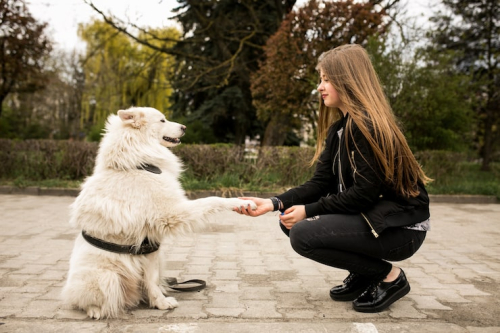
Bringing a puppy into your home ranks among life’s most exciting moments and one of the most demanding. That tiny whirlwind of energy, boundless curiosity, and needle-sharp teeth will quickly test every ounce of patience you possess. Yet the effort invested in teaching good manners early pays dividends for more than a decade. The global dog training services industry, valued at USD 3.53 billion in 2024 according to Deep Market Insights, underscores how seriously millions of owners now take behavioral education for their companions. The true reward, however, lies not in industry figures but in the deepening bond that forms when clear communication replaces chaos.
Your dog’s daily struggles pulling, mealtime anxiety, or reactivity don’t just cause stress, they chip away at the joy of being together. At Prime Paw, our positive reinforcement-based programs meet your dog where they are and build confidence, connection, and real skills. Our tailored programs in-person classes, coaching, and online resources help you enjoy calmer walks, relaxed routines, and a deeper connection. Ready for lasting change? Schedule a Prime Paw consultation today!
Understanding Why Early Training Shapes Everything
The critical window for shaping behavior opens between eight and sixteen weeks. During this period a puppy’s brain is remarkably plastic; habits good or bad become wired with exceptional speed. Left unchecked, playful nipping evolves into painful bites, exploratory chewing destroys furniture, and unchecked excitement turns every visitor into a launch platform. Structured guidance during these formative months prevents countless future headaches and creates a foundation of mutual respect. Modern households, often busier and more urban than previous generations, benefit enormously when puppies learn household rules from day one rather than months later.
Essential Gear and the Correct Mental Approach
Success begins before the first formal lesson. Assemble a small arsenal: high-value treats no larger than a pea, a four- to six-foot lightweight leash, a properly sized crate, and if you prefer marker training a clicker. Far more important than any equipment is your own consistency and emotional tone. Puppies read faces, voices, and body language with uncanny accuracy. When sessions feel like joyful games rather than stern lectures, learning accelerates dramatically. Limit focused practice to five–ten minutes at a time; several brief, upbeat interactions scattered throughout the day outperform one long, tiring session.
Mastering Foundational Commands
Sit The Gateway Behavior
Most trainers begin here because the action happens quickly and delivers instant gratification. Hold a treat at nose level, then slowly arc it backward over the puppy’s head. As the head tilts up to follow the lure, the hindquarters naturally lower. The instant the bottom touches the floor, mark the moment with a click or crisp “yes!” and release the treat. Practice in the kitchen, hallway, backyard anywhere until the response becomes near automatic.
Stay and Come Safety Commands
Build “stay” incrementally. Request a sit, show an open palm like a traffic officer, step back one pace, wait two seconds, then return and reward. Extend time and distance gradually; rushing this step produces fragile results. The recall command (“come” or the puppy’s name plus “come”) deserves special care. Always make arriving at your side the best thing that can happen: cheerful voice, animated body language, jackpot rewards. Never call a puppy to you for scolding or confinement; preserve the word’s positive power at all costs.
House Training Done Right
Reliable elimination habits emerge through routine, not punishment. Escort your puppy to the designated outdoor spot immediately upon waking, after every meal, following play, and at least once during the night in the first weeks. Stand quietly in one place; when elimination occurs, offer enthusiastic praise and a small treat within three seconds. Identical timing indoors prevents confusion clean accidents thoroughly with enzymatic cleaners and move on without comment. A crate sized just large enough for comfortable turning and lying down leverages a puppy’s natural reluctance to soil its den. Used correctly, the crate becomes a safe haven rather than a jail.
Socialization The Key to a Fearless Adult Dog
Between roughly eight and sixteen weeks puppies are primed to accept novelty without fear. Introduce varied but carefully managed experiences: different flooring textures, household appliances in motion, polite children, calm adult strangers, other vaccinated dogs, car rides, urban sounds. Each encounter should end positively and remain brief enough to avoid overwhelm. Watch body language closely a tucked tail or frantic retreat signals the need to dial intensity back. A puppy who learns the world contains interesting rather than alarming things grows into a confident, adaptable companion.
Addressing Common Behavior Hurdles
- Chewing Supply an abundance of appropriate outlets (Kong toys stuffed with kibble, durable rubber toys) and redirect immediately when inappropriate items are targeted. Bitter sprays help deter furniture but work best alongside generous legal chewing opportunities.
- Jumping Teach an automatic sit for greetings. Instruct every visitor to turn away and wait for four paws on the floor before offering attention. Consistency across all humans accelerates progress.
- Excessive barking Identify the trigger (boredom, alarm, attention-seeking), then teach a “quiet” cue by rewarding momentary silence after an alert bark. Long-term relief often requires more mental and physical exercise.
Recognizing When Professional Support Makes Sense
Many puppies progress smoothly with home guidance, yet certain situations warrant expert intervention. Persistent fearfulness, resource guarding, reactivity toward people or dogs, or simply a desire for faster, more polished results justify consulting a qualified trainer. Formats range from private lessons and group classes to immersive board-and-train programs. Obedience fundamentals remain the most requested service, especially among first-time owners and people who have adopted adult rescues needing remedial work. Specialized training including service-dog preparation that frequently spans six to twenty-four months addresses mobility assistance, medical alerts, and emotional support needs such as PTSD or diabetes detection.
Side-Stepping the Most Frequent Pitfalls
Inconsistency ranks as the number-one saboteur. A behavior permitted today cannot be forbidden tomorrow without confusing the learner. Harsh corrections delivered after the fact accomplish nothing useful; puppies associate punishment with the person delivering it, not the earlier misdeed. Overlong sessions exhaust young minds and create aversion. Failing to proof behaviors in real-world settings leaves them context-specific and therefore unreliable. The antidote is straightforward: frequent, brief practice sessions integrated naturally into daily routines, always concluding on a successful note that leaves the puppy eager for more.
The Enduring Value of Thoughtful Early Effort
Well-executed puppy training transcends a checklist of commands. It forges deep mutual understanding, reduces stress for both human and canine family members, and dramatically lowers the likelihood of surrender due to “behavior problems” still a leading cause of dogs entering shelters. The process demands patience, yet the return is profound: a relaxed walk through a crowded park, a calm greeting when guests arrive, quiet evenings with a content companion curled nearby. Years later you will look at the mature dog beside you and remember the gangly, mouthing, puddle-leaving creature that once ruled the household. The transformation and the relationship it creates makes every early morning potty run and every shredded sock worthwhile.
Frequently Asked Questions
What is the best age to start training a puppy?
The ideal time to begin training is between eight and sixteen weeks of age, when a puppy’s brain is at its most adaptable. During this critical window, good habits form quickly and foundational behaviors like sit, stay, and house training become deeply ingrained. Starting early also allows for proper socialization, helping your puppy grow into a confident, well-adjusted adult dog.
How long should puppy training sessions be?
Puppy training sessions should be kept short around five to ten minutes each to match a young dog’s limited attention span. Several brief, upbeat sessions spread throughout the day are far more effective than one long, exhausting session. Always end on a positive note with a successful behavior so your puppy stays eager and motivated to learn more.
What are the most important commands to teach a puppy first?
The three most essential commands for a new puppy are *sit*, *stay*, and *come* (recall). Sit is typically taught first because it happens quickly and builds confidence in both puppy and owner. Stay and recall are critical safety commands especially *come*, which should always be paired with enthusiastic praise and rewards so your puppy reliably returns to you in any situation.
Disclaimer: The above helpful resources content contains personal opinions and experiences. The information provided is for general knowledge and does not constitute professional advice.
You may also be interested in: PrimePaw Homepage – Prime Paw
Your dog’s daily struggles pulling, mealtime anxiety, or reactivity don’t just cause stress, they chip away at the joy of being together. At Prime Paw, our positive reinforcement-based programs meet your dog where they are and build confidence, connection, and real skills. Our tailored programs in-person classes, coaching, and online resources help you enjoy calmer walks, relaxed routines, and a deeper connection. Ready for lasting change? Schedule a Prime Paw consultation today!
Powered by flareAI.co