
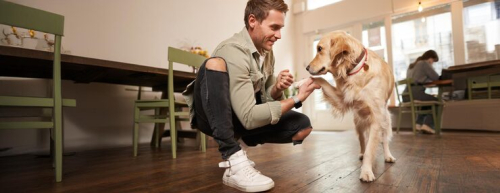
Walking through the foggy streets of San Francisco’s Mission District on a crisp morning, you spot a neighbor struggling with their energetic puppy pulling toward every passerby and squirrel in sight. The leash is taut, frustration is building, and you can’t help but wonder: is there a better way to turn that chaos into calm companionship?
Dog training has evolved dramatically, moving beyond old-school commands and dominance displays. Today’s pet owners in neighborhoods like Potrero Hill, SoMa, Dogpatch, Bernal Heights, the Castro District, Noe Valley, and across the broader Bay Area seek methods that strengthen bonds while addressing real-life challenges. More families are investing in professional guidance to create well-adjusted dogs that thrive in urban environments, as pet training services continue to grow in popularity worldwide because they promote safety, friendliness, and stronger connections between pets and their people.
Your dog’s daily struggles pulling, mealtime anxiety, or reactivity don’t just cause stress, they chip away at the joy of being together. At Prime Paw, our positive reinforcement-based programs meet your dog where they are and build confidence, connection, and real skills. Our tailored programs in-person classes, coaching, and online resources help you enjoy calmer walks, relaxed routines, and a deeper connection. Ready for lasting change? Schedule a Prime Paw consultation today!
The Four Main Approaches to Dog Training
Dog training methods generally fall into four broad categories, each rooted in different philosophies about how dogs learn. Understanding these options helps owners choose what aligns with their puppy’s personality, their own lifestyle, and the safe, supervised environment many seek in a busy city like San Francisco.
Positive Reinforcement Training
This approach focuses on rewarding desired behaviors with treats, praise, play, or other motivators the dog enjoys. Rather than punishing mistakes, trainers set dogs up for success and mark the good moments clearly. It emphasizes teaching what to do instead of what not to do, building confidence and enthusiasm for learning.
Positive reinforcement shines for puppies because it reduces stress and fosters a strong human-animal bond. Experienced trainers tailor sessions to each dog’s unique behavior and needs, often combining lessons with socialization opportunities in controlled group settings. This method aligns well with modern understanding of canine learning, leading to better long-term retention and fewer behavioral issues.
Balanced Training
Balanced training blends positive reinforcement with appropriate corrections when needed. Trainers use rewards to teach new skills while introducing mild consequences like leash pressure or verbal markers to discourage unwanted actions. The goal is clear communication using the full range of learning principles.
Proponents argue this creates reliable real-world obedience, especially in distracting urban settings where a puppy might ignore a recall because a skateboarder zooms by. Good balanced trainers still prioritize relationship-building and individual assessment, using tools judiciously rather than as a default.
Correction-Based or Traditional Training
Older styles often relied heavily on physical corrections, leash pops, or establishing “pack leader” status through dominance. These methods view unwanted behavior as a challenge to authority and focus more on stopping actions than teaching alternatives.
While some dogs may comply outwardly, practical experience increasingly highlights potential downsides, including heightened anxiety or damaged trust. Many contemporary trainers have moved away from heavy reliance on aversives, especially for young puppies whose emotional development benefits from gentler guidance.
Relationship-Based and Science-Driven Training
This category draws from the latest understanding of canine behavior, psychology, and learning theory. It prioritizes the unique bond between dog and owner, reading body language, and adapting techniques to the individual animal rather than applying one-size-fits-all rules.
Relationship-based work often incorporates elements of positive reinforcement while addressing underlying emotions fear, excitement, or frustration that drive behavior. It proves especially effective when combined with supervised socialization, helping puppies navigate everything from crowded sidewalks in SoMa to park encounters in Bernal Heights.
Why Positive Reinforcement Often Stands Out for Puppies
For most families welcoming a new puppy, positive reinforcement offers a compelling starting point. It minimizes fear, encourages eager participation, and creates dogs that genuinely enjoy working with their people. In neighborhoods across San Francisco, where dogs share tight spaces with neighbors and frequent public areas, a confident, socially adept puppy makes daily life smoother.
PrimePaw’s approach exemplifies this: personalized puppy training based on each dog’s behavior and needs, delivered alongside socialization in one safe, supervised location using positive reinforcement methods with experienced trainers. The program helps puppies develop skills while building real-world comfort around other dogs and people.
Owners appreciate the convenience no need to juggle separate classes or worry about inconsistent environments. Everything happens in one welcoming space tailored to the diverse lifestyles of San Francisco pet parents, whether they live in vibrant Dogpatch lofts or quieter Noe Valley homes.
Addressing Common Concerns About Training
Many prospective clients hesitate for understandable reasons. Concern about training cost can feel significant when budgets already stretch across rent, vet care, and everyday expenses in California. Others wonder whether training will truly make a lasting difference with their particular puppy. And lack of time to attend classes consistently amid busy work schedules in the tech-driven Bay Area presents another real hurdle.
These objections deserve honest discussion. Quality training represents an investment that often pays dividends in prevented damage, reduced stress, and a stronger lifelong relationship. Rather than viewing sessions as an expense, many see them as essential for a harmonious household much like investing in good shoes for long city walks.
Effectiveness depends on consistency and the right fit. Personalized programs that account for a puppy’s breed tendencies, age, and environment tend to deliver better results than generic group classes. When training combines clear methods with practical socialization, progress often comes faster than expected, even for busy owners who attend regular but manageable sessions.
Time constraints can be managed by choosing providers who offer flexible scheduling and integrated training-plus-socialization formats. Short, focused sessions several times a week often prove more effective than infrequent long ones, fitting into even demanding San Francisco routines.
Choosing What Works Best for Your Dog
No single method suits every dog or every owner. A fearful rescue might thrive with gentle, relationship-focused work. A high-energy herding breed puppy may need structured boundaries alongside rewards. Urban puppies facing constant distractions often benefit from methods that build reliable focus and impulse control.
Consider these practical questions:
- How does your puppy respond to rewards versus mild guidance?
- What specific challenges pulling, jumping, reactivity, or separation matter most in your daily life?
- Do you prefer training that emphasizes fun and bonding or quicker compliance in real-world scenarios?
Many successful programs today blend the best elements: heavy use of positive reinforcement for teaching and motivation, thoughtful management for safety, and individualized adjustments based on the dog’s progress. Growing recognition that well-trained dogs lead happier, safer lives and strengthen family connections continues to drive interest in professional pet training services.
Integrating Training and Socialization Successfully
One of the smartest modern strategies combines skill-building with controlled exposure to other dogs and stimuli. Puppies learn commands more readily when they also practice calm greetings, polite play, and focus amid mild distractions all in a supervised setting that prevents bad habits from forming.
In San Francisco’s varied neighborhoods, this integrated approach helps puppies generalize skills from the training floor to noisy streets, park meetups, and apartment living. Owners report fewer incidents of overstimulation or fear because their dogs have practiced real-life scenarios safely from an early age.
Experienced trainers monitor group dynamics closely, ensuring every dog progresses at its own pace. This personalization addresses the reality that no two puppies or their owners are exactly alike.
Making Training Part of Your San Francisco Lifestyle
Training does not need to feel like another chore on an already full calendar. When sessions feel engaging and results appear quickly, they become something both dog and owner look forward to. Many local pet parents discover that consistent, positive methods transform not just behavior but the entire relationship.
Whether your puppy needs help with basic manners before joining you at outdoor cafés in the Castro or building confidence for hikes near Bernal Heights, the right approach makes all the difference. Focus on methods backed by understanding of how dogs actually learn, delivered by professionals who tailor the experience.
The broader pet care world continues expanding as more people view their dogs as true family members deserving thoughtful guidance. In this context, choosing training that respects both welfare and practical needs stands out as a wise decision for forward-thinking owners across California.
Final Thoughts: Finding Your Path Forward
Ultimately, the “best” dog training method is the one that creates a confident, happy dog and a harmonious home. For many puppies in the Bay Area, that path involves personalized positive reinforcement paired with safe socialization approaches that build skills without breaking spirit.
Take time to observe how your dog learns and what motivates them. Consult experienced trainers who prioritize individual needs over rigid ideology. With patience and the right support, that energetic puppy tugging through the Mission District can become a well-mannered companion who enriches every part of city life.
The journey requires commitment, but the rewards a trusting bond, easier daily routines, and a dog who navigates the world with confidence make it deeply worthwhile. Your puppy is ready to learn. The question is which supportive, effective path you’ll choose together.
Frequently Asked Questions
What are the 4 main types of dog training methods?
The four main dog training methods are positive reinforcement, balanced training, correction-based (traditional) training, and relationship-based/science-driven training. Each approach differs in philosophy from rewarding desired behaviors with treats and praise, to blending rewards with mild corrections, to focusing on the emotional bond between dog and owner. Understanding these options helps you choose the best fit for your dog’s personality and your lifestyle.
How do I choose the right dog training method for my dog?
The best training method depends on your dog’s individual temperament, breed tendencies, age, and the specific behavioral challenges you’re facing such as leash pulling, reactivity, or jumping. A fearful rescue may thrive with gentle, relationship-focused techniques, while a high-energy breed may need more structured boundaries alongside positive rewards. Consulting an experienced trainer who offers personalized programs, rather than a one-size-fits-all approach, tends to produce the most lasting results.
Is positive reinforcement the best dog training method for puppies?
For most puppies, positive reinforcement is widely recommended because it minimizes stress, builds confidence, and strengthens the human-animal bond. By rewarding good behavior rather than punishing mistakes, puppies become eager, enthusiastic learners with better long-term retention of skills. It’s especially effective when combined with supervised socialization, helping young dogs adapt to real-world environments like busy streets, parks, and apartment living.
Disclaimer: The above helpful resources content contains personal opinions and experiences. The information provided is for general knowledge and does not constitute professional advice.
You may also be interested in: Study Shows Structured Daily Enrichment Improves Cognitive Function in Aging Dogs
Your dog’s daily struggles pulling, mealtime anxiety, or reactivity don’t just cause stress, they chip away at the joy of being together. At Prime Paw, our positive reinforcement-based programs meet your dog where they are and build confidence, connection, and real skills. Our tailored programs in-person classes, coaching, and online resources help you enjoy calmer walks, relaxed routines, and a deeper connection. Ready for lasting change? Schedule a Prime Paw consultation today!
Powered by flareAI.co