
Quick Listen:
In the bustling streets of San Francisco’s Mission District, where fog drifts in from the bay and apartment living shapes daily routines, countless dog owners grapple with a common heartache: their loyal companions fall apart when left home alone. Mild whining can quickly spiral into destructive chewing, relentless barking, or restless pacing that stresses both pet and parent. Addressing Separation Anxiety in Dogs Through Positive Reinforcement provides a compassionate, proven approach built on understanding, patience, and gentle encouragement rather than force or punishment.
Your dog’s daily struggles pulling, mealtime anxiety, or reactivity don’t just cause stress, they chip away at the joy of being together. At Prime Paw, our positive reinforcement-based programs meet your dog where they are and build confidence, connection, and real skills. Our tailored programs in-person classes, coaching, and online resources help you enjoy calmer walks, relaxed routines, and a deeper connection. Ready for lasting change? Schedule a Prime Paw consultation today!
Understanding Separation Anxiety in Urban Settings
Separation anxiety represents far more than simple misbehavior. It is a profound distress reaction rooted in a dog’s deep attachment to their human family. Across vibrant San Francisco neighborhoods such as Noe Valley, Potrero Hill, SoMa, Dogpatch, Bernal Heights, and the Castro and similarly in bustling cities throughout the United States, Canada, and Europe dogs frequently spend extended periods alone due to long workdays and urban commuting demands.
Typical indicators include desperate escape attempts from crates, howling that prompts neighbor concerns, drooling, or even self-injurious actions. The encouraging reality is that dedicated owners and skilled trainers in these communities are achieving transformative results by embracing positive reinforcement methods that foster confidence and security instead of increasing fear.
Why Positive Reinforcement Stands Out for Anxious Dogs
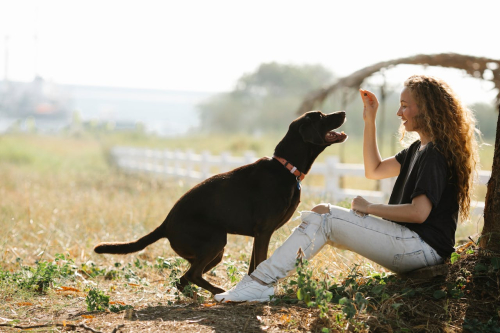
Positive reinforcement centers on rewarding desired behaviors with treats, verbal praise, favorite toys, or affectionate interaction, while calmly redirecting or ignoring unwanted actions. This method stands in sharp contrast to older dominance-based techniques that often amplify anxiety. By strengthening the human-canine bond, it helps dogs learn that solitude can feel safe and even rewarding.
Experienced Bay Area trainers recommend beginning with brief, manageable moments. A dog that becomes distressed after just five minutes alone can first master relaxation during 30-second departures, with each calm success earning enthusiastic rewards. Over time, these small victories reshape the dog’s emotional response, building lasting resilience.
Success Stories from San Francisco Neighborhoods
Local pet parents consistently report that short daily positive reinforcement sessions typically 10 to 15 minutes yield impressive reductions in destructive behaviors. In the Mission District, where vibrant murals line the streets and community parks buzz with activity, group training classes become natural social connectors. Owners exchange practical crate-training advice over coffee at neighborhood cafés while their dogs practice calm settling in real time.
Practical Strategies Designed for City Life
Urban living brings distinct challenges: thin apartment walls, restricted outdoor space, and irregular schedules. The following techniques, refined for San Francisco and comparable city environments across North America and Europe, deliver reliable results:
- Desensitization practice: Simulate departures by picking up keys and shoes, then immediately sitting back down. Reward calm responses generously to break the association between these cues and actual absence.
- Pre-departure enrichment: Offer puzzle toys filled with frozen peanut butter or durable chews exclusively before leaving. Mental engagement often tires an anxious mind more effectively than physical activity alone.
- Gradual time extension: Monitor progress with a pet camera. Begin with mere seconds away and slowly increase duration, celebrating every peaceful period.
- Independence-building exercises: Teach a reliable “place” or “settle” command on a cozy bed in another room, reinforcing relaxed posture with high-value rewards.
The Value of Professional Dog Training Services
When self-guided efforts reach a plateau, many owners across San Francisco and similar urban centers seek expert support. Professional dog training services have become a trusted resource as pet parents increasingly prioritize their animal’s emotional wellbeing. Private sessions in Noe Valley gardens or group classes in Bernal Heights parks offer structured guidance that speeds improvement and helps avoid common pitfalls.
Specialists in positive reinforcement frequently integrate counter-conditioning, pairing alone time with something delightful such as a favorite toy reserved only for departures. This powerful technique shifts a dog’s emotional state from dread to eager anticipation. Training also boosts confidence, deepens the bond between pets and owners, reduces unwanted behaviors, and enhances overall sociability and safety, allowing dogs to thrive in their roles as companions or even service animals.
Building a Supportive Home Environment
Effective management extends well beyond formal training. Daily routines play a crucial role. Regular walks along the Embarcadero waterfront or through Golden Gate Park help expend nervous energy. Secure, inviting crates or designated safe zones carrying familiar scents can significantly ease panic. Many owners also incorporate calming music playlists or vet-recommended pheromone diffusers to create soothing atmospheres.
Modern technology provides valuable assistance. Affordable pet cameras equipped with two-way audio enable owners to deliver reassuring praise from afar, reinforcing positive behavior even during busy workdays in downtown offices or remote locations across Canada and European cities.
Addressing Common Misconceptions
Several myths continue to circulate around separation anxiety. One persistent belief suggests that crate use itself causes distress. When introduced gradually alongside positive associations, however, crates transform into comforting dens rather than confining spaces. Another misconception claims that extra exercise alone resolves the issue. While physical activity certainly helps, genuine emotional security stems from consistent training and predictable daily structures.
Rescue dogs, frequently welcomed into homes throughout the Bay Area and beyond, often arrive with additional emotional challenges from past experiences. For these animals, patience paired with structured positive reinforcement proves particularly effective in fostering trust and stability.
Knowing When to Seek Further Help
In more severe situations, collaboration with a veterinarian becomes essential. Medical professionals can exclude underlying health concerns and, when suitable, recommend temporary medication to support behavioral modification efforts. Certified trainers and veterinary behaviorists frequently partner to develop holistic, individualized plans tailored to each dog’s needs.
Similar positive reinforcement philosophies are gaining steady traction in Canada and across Europe, where pet owners increasingly recognize the mental health connections between humans and dogs. These adaptable techniques cross borders smoothly, fitting seamlessly into varied apartment lifestyles and work patterns while respecting local regulations around animal welfare and data privacy.
Fostering Lasting Independence and Resilience
The true objective reaches beyond merely surviving periods of solitude. It involves empowering dogs to flourish confidently on their own. Owners who commit to positive reinforcement methods often speak of richer relationships and noticeably more self-assured companions who comfortably enjoy their independence yet greet their humans with pure joy upon return.
Communities in San Francisco actively nurture this positive evolution. Informal playgroups in Dogpatch and organized workshops in the Castro create valuable networks where dog lovers exchange successes, setbacks, and encouragement, ultimately benefiting every dog involved.
Embracing a Compassionate Approach
Separation anxiety challenges even the most devoted dog parents, yet positive reinforcement delivers a humane, effective pathway forward. By emphasizing incremental, reward-based progress and respecting each dog’s individual personality, owners throughout San Francisco, Canada, Europe, and beyond can convert anxious departures into calm, confident partings.
This journey demands steady commitment and genuine empathy, but the rewards run deep: a more relaxed dog, a profoundly strengthened partnership, and the reassuring knowledge that your companion feels secure and cherished even after the door gently closes behind you.
Frequently Asked Questions
What is the best way to treat separation anxiety in dogs using positive reinforcement?
The most effective approach is to start with very short departures even just 30 seconds and reward your dog generously for staying calm. Gradually increase the time away as your dog builds confidence, using treats, praise, or a favorite toy as positive reinforcement. Techniques like desensitization (picking up keys without actually leaving) and pre-departure enrichment (frozen puzzle toys) can also help reshape your dog’s emotional response to being alone.
How long does it take to see results when using positive reinforcement for dog separation anxiety?
Progress varies by dog, but many owners report noticeable reductions in destructive behaviors with just 10 to 15 minutes of daily positive reinforcement training. Consistency and patience are key small, calm successes compound over time to build lasting emotional resilience. For more severe cases, working with a professional trainer or veterinary behaviorist can speed up results and help you avoid common setbacks.
Does crating a dog make separation anxiety worse?
This is a common misconception crates do not inherently cause separation anxiety. When introduced gradually with positive associations like treats, familiar scents, and cozy bedding, a crate can actually become a comforting safe space for an anxious dog. The key is never forcing your dog into the crate or using it as punishment, but instead building a calm, rewarding routine around it.
Disclaimer: The above helpful resources content contains personal opinions and experiences. The information provided is for general knowledge and does not constitute professional advice.
You may also be interested in: The Evolution of Modern-Day Dog Training & Obedience
Your dog’s daily struggles pulling, mealtime anxiety, or reactivity don’t just cause stress, they chip away at the joy of being together. At Prime Paw, our positive reinforcement-based programs meet your dog where they are and build confidence, connection, and real skills. Our tailored programs in-person classes, coaching, and online resources help you enjoy calmer walks, relaxed routines, and a deeper connection. Ready for lasting change? Schedule a Prime Paw consultation today!
Powered by flareAI.co