
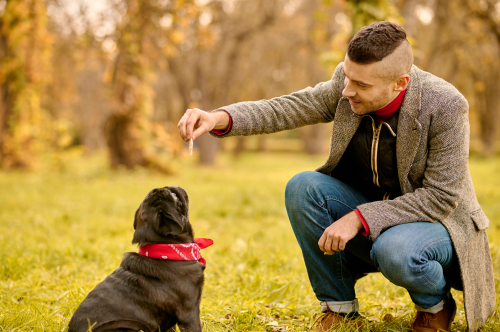
When that bundle of fluff first lands in your arms, the world feels instantly brighter. Yet within days the reality sets in: boundless enthusiasm meets zero impulse control, and your once-pristine home becomes an obstacle course of tiny teeth and surprise puddles. This is precisely why thoughtful beginner puppy training tips matter so much. They transform chaotic energy into calm companionship. The growing popularity of professional dog training reflected in a global market already valued at over $33 billion shows how many owners have learned that starting early prevents years of frustration and builds a stronger, happier relationship with their dog.
Your dog’s daily struggles pulling, mealtime anxiety, or reactivity don’t just cause stress, they chip away at the joy of being together. At Prime Paw, our positive reinforcement-based programs meet your dog where they are and build confidence, connection, and real skills. Our tailored programs in-person classes, coaching, and online resources help you enjoy calmer walks, relaxed routines, and a deeper connection. Ready for lasting change? Schedule a Prime Paw consultation today!
The Critical Window: Why Early Training Changes Everything
Puppies are not empty canvases waiting to be painted. They arrive equipped with ancient instincts chasing, chewing, exploring with their mouths that served their wolf ancestors well but wreak havoc in modern living rooms. The period between roughly eight and sixteen weeks is irreplaceable. During these weeks neural connections form at astonishing speed, making behaviors learned now exceptionally resistant to change later.
Investing serious effort in these early months pays compound interest. A puppy taught clear boundaries and polite manners grows into an adult dog that is welcome almost everywhere: friend’s houses, outdoor cafés, family gatherings. More importantly, consistent early guidance dramatically reduces the likelihood of behavior problems that lead to shelter relinquishment. Think of training not as a chore but as the foundation of mutual trust and understanding that will define your life together for the next decade or longer.
Creating the Right Foundation: Preparation Before the First Lesson
Success begins before you ever say “sit.” Set your puppy up to win by controlling the environment. A properly sized crate should feel like a cozy bedroom rather than a jail cell place soft bedding inside, leave the door open during the day with treats scattered near it, and let curiosity do the rest. High-value, pea-sized training treats, a six-foot lightweight leash, and several engaging puzzle toys complete the starter kit.
Household agreement comes next. Sit down with every person who will interact with the puppy and decide on exact words for commands, permitted furniture access, and consequences for jumping or mouthing. Inconsistency is the fastest way to confuse a learning brain. Establish a predictable daily rhythm feeding times, potty outings, short training sessions, enforced naps and stick to it religiously. Routine lowers stress and accelerates progress more than any single technique.
Core Commands Every Puppy Should Master First
Begin with “sit” because it naturally interrupts many unwanted behaviors and gives the puppy something constructive to do instead of jumping or nipping. Lure the treat slowly upward and slightly behind the head; the rear end lowers almost automatically. The instant it touches the floor, say “yes!” or click, then deliver the treat. Keep sessions to five repetitions, three times daily short and sweet prevents burnout.
“Stay” teaches impulse control and safety. Start with one second at close range, reward, release with an enthusiastic “okay!” Gradually add seconds, then steps backward. “Come” (or your chosen recall word) may one day save your puppy’s life. Practice in a boring hallway first, using a delighted tone and the best treats in the house. If the puppy hesitates, never chase run the other direction while calling excitedly. Coming to you should always feel like winning the jackpot.
- Keep your voice bright and inviting puppies respond to enthusiasm.
- Practice recall off-leash only in securely fenced areas at first.
- Never call your puppy to scold; reserve the cue for positive outcomes only.
House Training: Patience and Prevention Win Every Time
Most eight-week-old puppies can hold their bladder for roughly two hours during the day, plus one hour per month of age at night. Use this rough guideline to schedule outings: immediately after waking, eating, drinking, playing, napping, and every 30–60 minutes in between while awake. Designate one outdoor potty spot and use the same cue phrase each time “hurry up” or “go potty.” Lavish praise the moment elimination begins.
Learn to read pre-potty signals: sudden sniffing, circling, abrupt stillness. Scoop the puppy up and head outside without delay. Indoor accidents require zero scolding simply interrupt gently if you catch them mid-stream, then rush outdoors. Thoroughly clean soiled areas with an enzymatic cleaner that destroys odor molecules; residual scent invites repeat performances. Crate confinement during unsupervised moments leverages a puppy’s natural reluctance to soil its sleeping area, but never exceed age-appropriate time limits.
Leash Manners: Turning Walks into Enjoyable Adventures
The moment the leash tightens, most puppies pull harder it’s simple physics and biology. Counter this by becoming an immovable object whenever tension appears. The instant the leash relaxes even for half a second praise warmly and move forward. Consistency turns pulling into an unrewarding strategy within a week or two.
Introduce collar or harness slowly indoors with treats before attaching the leash. Begin practice sessions in the backyard, then move to quiet sidewalks. Change directions frequently, stop often, and reward eye contact. Keep outings brief five to ten minutes several times a day because young puppies tire quickly and learn best when mentally fresh.
Socialization Done Right: Confidence Without Overwhelm
The socialization window closes around sixteen weeks, so thoughtful exposure during this period is non-negotiable. The objective is calm curiosity, not sensory overload. Arrange controlled meetings with vaccinated, gentle adult dogs. Invite calm, dog-savvy friends to visit and offer treats while handling paws, ears, and mouth. Expose the puppy to household sounds (vacuum, blender, doorbell) at low volume paired with treats.
Puppy kindergarten classes provide structured interaction under professional supervision an invaluable resource. The goal is a dog that views novelty as interesting rather than alarming, dramatically reducing the risk of future fear-based reactivity.
Why Force-Free Methods Outperform Everything Else
Harsh corrections may stop behavior in the moment, but they erode trust and suppress rather than solve underlying issues. Positive reinforcement rewarding desired actions creates eager learners who actively offer good behavior. Use precise timing: mark the exact second of correct action with a clicker or verbal marker (“yes!”), then follow immediately with a reward.
Unwanted behavior often extinguishes fastest when ignored (provided it’s safe to do so). Jumping to greet? Turn away until paws land. Demand barking? Wait for silence before giving attention. Clear rules taught through rewards produce dogs that choose cooperation because it works better than any alternative.
Avoiding the Most Common New-Owner Mistakes
Many problems stem from unintentional reinforcement of the wrong behaviors. Tossing a treat to quiet barking teaches “bark louder to get rewarded.” Allowing the puppy on the couch one day and forbidding it the next breeds confusion. Marathon training sessions exhaust young minds five focused minutes trump twenty distracted ones.
Impatience is perhaps the biggest saboteur. Progress is rarely linear; plateaus are normal. When frustration creeps in, end on a success and resume later. Your puppy isn’t stubborn it’s simply a baby learning an entirely new language.
Knowing When Professional Guidance Makes Sense
Most foundational skills can be taught successfully at home with the strategies outlined here. However, certain red flags warrant expert intervention: intense fear of people or sounds, growling or snapping when handled, destructive separation behavior, or persistent house-training failure despite diligent effort. Certified force-free trainers or behavior consultants can diagnose root causes and create customized plans far more efficiently than trial-and-error alone.
Group classes also deliver socialization opportunities that are difficult to replicate privately. Look for instructors who prioritize relationship-building over dominance-based techniques the best training feels like a partnership, never a battle.
The Long View: Training as a Lifelong Conversation
Puppy training is never truly finished; it evolves as your dog matures and life circumstances change. Yet the foundation you lay now clear communication, mutual respect, abundant positive experiences determines how smoothly that evolution occurs. The chewed table legs and 2 a.m. potty runs will one day become nostalgic anecdotes. What endures is a deep, reliable bond that makes every shared moment richer.
So stock the treat pouch, clear your schedule for short daily sessions, and approach each interaction with patience and optimism. The effort you invest today returns a lifetime of joyful companionship the truest reward of bringing a puppy into your world.
Frequently Asked Questions
What are the most important commands to teach a puppy first?
The three foundational commands every puppy should learn first are sit, stay, and come. “Sit” is ideal to start with because it naturally interrupts unwanted behaviors like jumping or nipping. Keep training sessions short about five repetitions, three times a day to prevent burnout and maintain your puppy’s focus.
How do I house train a puppy quickly and effectively?
Consistency and timing are the keys to fast house training. Take your puppy outside immediately after waking, eating, drinking, and playing roughly every 30–60 minutes while awake since most 8-week-old puppies can only hold their bladder for about two hours during the day. Always use the same outdoor spot and a consistent cue phrase like “go potty,” and clean any indoor accidents with an enzymatic cleaner to eliminate odor and prevent repeat incidents.
What is the best training method for puppies and why does it matter?
Force-free, positive reinforcement training is widely considered the most effective method for teaching puppies. Unlike harsh corrections, which erode trust and only suppress behavior temporarily, rewarding desired actions creates eager learners who actively choose good behavior. The key is precise timing mark the exact moment your puppy does something right with a clicker or a verbal cue like “yes!”, then immediately follow with a treat.
Disclaimer: The above helpful resources content contains personal opinions and experiences. The information provided is for general knowledge and does not constitute professional advice.
You may also be interested in: PrimePaw Homepage – Prime Paw
Your dog’s daily struggles pulling, mealtime anxiety, or reactivity don’t just cause stress, they chip away at the joy of being together. At Prime Paw, our positive reinforcement-based programs meet your dog where they are and build confidence, connection, and real skills. Our tailored programs in-person classes, coaching, and online resources help you enjoy calmer walks, relaxed routines, and a deeper connection. Ready for lasting change? Schedule a Prime Paw consultation today!
Powered by flareAI.co