
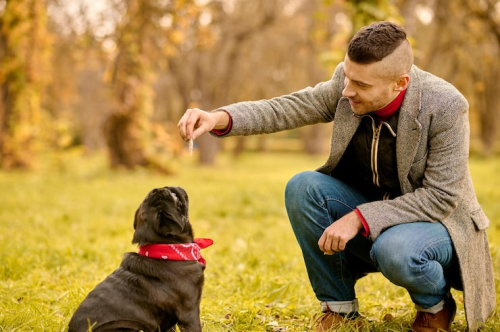
Bringing home a new puppy ranks among life’s purest joys a tiny whirlwind of energy, floppy ears, and endless curiosity that instantly claims every corner of your heart and home. Yet right behind the delight comes one of the most consequential decisions you’ll make as a pet parent: when to begin training. Timing matters more than most realize, and getting it right can transform those whirlwind early months into the bedrock of a calm, confident, well-mannered companion for the next decade or longer.
Your dog’s daily struggles pulling, mealtime anxiety, or reactivity don’t just cause stress, they chip away at the joy of being together. At Prime Paw, our positive reinforcement-based programs meet your dog where they are and build confidence, connection, and real skills. Our tailored programs in-person classes, coaching, and online resources help you enjoy calmer walks, relaxed routines, and a deeper connection. Ready for lasting change? Schedule a Prime Paw consultation today!
Why Timing Shapes Everything in Puppy Development
A puppy’s brain is a sponge during the first weeks of life, wiring neural pathways at a pace that slows dramatically after about four months. Behavioral science shows that experiences good and bad during this window exert outsized influence on lifelong temperament and habits. Start training thoughtfully from day one and you harness that rapid learning capacity to build desirable patterns before unwanted ones take root. Delay too long, and you find yourself undoing months of self-reinforcing behaviors that could have been shaped gently in the beginning.
The payoff appears in practical, everyday moments: fewer shredded cushions, more relaxed neighborhood strolls, a dog that checks in with you rather than charging toward every squirrel. Early, positive guidance channels natural exuberance into cooperation instead of chaos. It is not about creating a miniature soldier; it is about laying down clear, kind communication that becomes the language both of you speak for life.
Eight Weeks: The Ideal Moment to Begin
Most puppies join their new families between seven and nine weeks, and that arrival day is the perfect time to introduce gentle training. At this age the pup has just left the security of the litter and is primed to form its primary attachments to you. Five- to ten-minute sessions scattered throughout the day match the short attention span while turning learning into play.
Start with two priorities: name recognition and the simplest marker behaviors such as a hand-targeted “sit” or a cheerful “come.” Reward lavishly with small bits of high-value food or a quick game of tug. The single most important rule is consistency every person in the household must use identical words, tone, and timing. When the same cue always predicts the same pleasant outcome, understanding clicks fast. Within days, training stops feeling like a separate activity and becomes woven into the rhythm of daily life.
Owners frequently hesitate, fearing their puppy is “too young.” Veterinary behaviorists and experienced trainers counter that waiting until adolescence often six months or later frequently means battling stronger independence, testing phases, and already-solidified habits. The earlier start prevents far more problems than it creates.
The Critical Socialization Window (8–16 Weeks)
Between roughly eight and sixteen weeks lies the single most influential period for preventing fear and reactivity later in life: the primary socialization window. During these weeks a puppy’s brain is extraordinarily receptive to new stimuli. Carefully orchestrated positive exposures teach the dog that the world is safe and interesting rather than threatening.
Introduce variety in small, manageable doses: different flooring textures, household appliances, car rides, friendly strangers of all ages and appearances, other calm vaccinated dogs. Pair each encounter with praise, treats, or play so the association remains overwhelmingly positive. A single frightening experience left unaddressed can imprint lasting caution; dozens of joyful ones build bold curiosity.
Blend light training into these outings. A quick “look at me” before crossing a busy street or a polite “sit” to greet visitors reinforces focus amid real-world distractions. Done right, this combination produces a dog at ease almost anywhere.
Building Obedience Foundations Step by Step
Once name response feels reliable often by ten weeks expand to core obedience skills: leash manners, “stay,” “down,” “leave it.” Coordination and impulse control are still developing, so keep criteria modest and repetitions frequent. Puppies this age master new behaviors quickly but require regular refreshers to make them stick.
Positive reinforcement remains the most effective and relationship-preserving approach. Mark and reward the exact moment of correct action whether with a clicker, a distinct “yes!”, or immediate treat delivery. Keep sessions upbeat, short, and ending on success so your puppy bounds toward the next one. By four months many pups handle 15–20 minute lessons and slightly more intricate sequences. Teething often coincides with this stage, making consistent redirection to chew toys doubly valuable.
When Professional Guidance Delivers the Biggest Advantage
Many puppies progress beautifully with dedicated home training, yet structured professional programs frequently accelerate results and catch subtle issues early. Puppy kindergarten classes provide expertly supervised socialization alongside practical skills such as loose-leash walking and polite greetings. Private lessons allow tailored solutions for specific challenges separation concerns, resource guarding, or noise sensitivity, for example.
Growing demand for these services reflects a clear reality: countless owners now view expert help as a smart investment rather than a last resort. Professional trainers bring decades of experience, an objective eye, and techniques refined across thousands of dogs. Their early intervention often prevents minor quirks from escalating into serious behavior problems, saving time, stress, and ultimately money.
Avoiding the Most Common Early-Training Pitfalls
Inconsistency ranks as the number-one saboteur of progress. When rules change depending on who is present, a puppy learns to gamble rather than rely on predictable consequences. Another frequent mistake is raising expectations faster than developmental readiness allows. A twelve-week-old simply cannot maintain a “stay” through a doorbell ring and visitor arrival; pushing too hard breeds frustration for everyone.
Punishment-based corrections scolding, leash jerks, alpha rolls erode trust and teach avoidance rather than comprehension. Far better to prevent rehearsal of unwanted behavior, ignore what you do not want to see again, and generously reinforce what you do. Patience, clarity, and a sense of humor carry you further than any quick-fix method.
- Use one consistent cue word per behavior, agreed upon by the entire household.
- Finish every session while your puppy is still succeeding and eager.
- Shower genuine delight on even tiny improvements.
- Tailor goals to your individual puppy’s age, breed tendencies, and personality.
The Long-Term Rewards of Starting Early and Right
Puppies raised with thoughtful early training mature into adaptable, self-assured adults who thrive in varied environments. Walks feel like shared adventures instead of battles. Houseguests receive calm greetings rather than chaos. The pup who reliably offered a “leave it” at three months is far less likely to counter-surf or snatch food years later.
Beyond manners, the advantages compound: greater safety near roads, warmer reception in public spaces, lower risk of surrender due to manageable behavior concerns. Most important, the mutual understanding forged in those first months deepens into an effortless partnership. A slight lift of the eyebrow or soft verbal cue becomes enough to guide behavior. That level of connection is the true prize.
Looking Ahead: Your Puppy’s Bright Path Starts Now
The optimal moment to begin training is the instant your new puppy steps across the threshold. Those first weeks and months present a fleeting opportunity to influence behavior while the mind is most malleable. Thoughtful timing, positive methods, unwavering consistency, and when needed professional support set the foundation for a remarkable lifelong bond.
Training is not a sprint to perfect obedience; it is a patient, joyful collaboration. Relish the small victories, remain steady through setbacks, and savor the process. The happy, well-mannered companion who walks contentedly at your side years from now will prove every early moment was time well spent. Your puppy is eager and capable now step confidently into the role of gentle, clear guide.
Frequently Asked Questions
What is the best age to start training a puppy?
The best time to start training a puppy is as soon as they arrive home, typically between 7–9 weeks of age. At this stage, puppies are primed to form attachments and learn quickly through short, positive sessions. Waiting until adolescence (6+ months) often means working against stronger independence and already-established habits.
What should I teach my puppy during the critical socialization window?
The socialization window between 8–16 weeks is the most influential period for preventing fear and reactivity later in life. During this time, gradually expose your puppy to different textures, sounds, people, and calm vaccinated dogs always pairing new experiences with treats or praise. Weaving in basic cues like “look at me” or “sit” during these outings also builds focus amid real-world distractions.
Is professional puppy training worth it, or can I train my puppy at home?
Many puppies thrive with consistent home training, but professional puppy kindergarten classes or private lessons can significantly accelerate progress and catch subtle behavioral issues early. Professional trainers offer an objective eye and experience across thousands of dogs, helping address specific challenges like separation anxiety, resource guarding, or noise sensitivity before they escalate into serious problems.
Disclaimer: The above helpful resources content contains personal opinions and experiences. The information provided is for general knowledge and does not constitute professional advice.
You may also be interested in: PrimePaw Homepage – Prime Paw
Your dog’s daily struggles pulling, mealtime anxiety, or reactivity don’t just cause stress, they chip away at the joy of being together. At Prime Paw, our positive reinforcement-based programs meet your dog where they are and build confidence, connection, and real skills. Our tailored programs in-person classes, coaching, and online resources help you enjoy calmer walks, relaxed routines, and a deeper connection. Ready for lasting change? Schedule a Prime Paw consultation today!
Powered by flareAI.co