
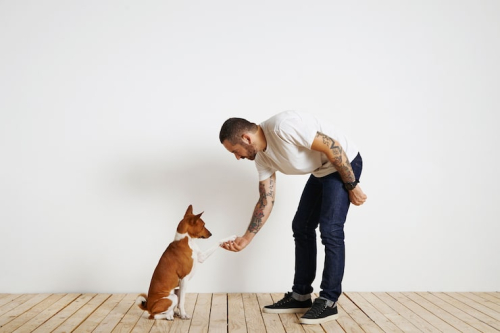
Bringing a new puppy home fills your days with boundless energy, curious explorations, and those heart-melting moments that make it all worthwhile. Yet alongside the joy come the everyday hurdles leash pulling during neighborhood strolls, endless chewing sessions, or enthusiastic greetings that knock over coffee tables. For pet parents navigating life in vibrant San Francisco communities like the Mission District, Potrero Hill, SoMa, or Dogpatch, choosing how to guide that playful chaos becomes essential. The decision often boils down to one pivotal question: force-free or traditional puppy training methods? As we compare force-free versus traditional puppy training methods, the contrasts reveal paths that shape not only behavior but the depth of trust and connection you build together.
The broader landscape shows pet owners leaning more toward thoughtful guidance than ever before. With the pet training services market continuing to hold significant importance, it is clear that families are prioritizing approaches that deliver real, lasting harmony at home.
Your dog’s daily struggles pulling, mealtime anxiety, or reactivity don’t just cause stress, they chip away at the joy of being together. At Prime Paw, our positive reinforcement-based programs meet your dog where they are and build confidence, connection, and real skills. Our tailored programs in-person classes, coaching, and online resources help you enjoy calmer walks, relaxed routines, and a deeper connection. Ready for lasting change? Schedule a Prime Paw consultation today!
What Force-Free Puppy Training Really Involves
Force-free training centers on positive reinforcement, rewarding the behaviors you want to see instead of punishing those you don’t. Trainers use treats, praise, play, and timing to mark successes, turning every session into an engaging game that puppies genuinely enjoy. The focus stays on motivation and understanding rather than control, creating an atmosphere where learning feels safe and exciting.
Personalization stands out as a cornerstone. Programs that adapt to each dog’s unique behavior and needs deliver faster progress because they meet the puppy where it is whether that means extra encouragement for a shy border collie mix or creative games for a high-energy terrier. No rigid scripts, just thoughtful adjustments that respect individuality.
Many forward-thinking options also weave socialization directly into the training experience within one safe, supervised location. Puppies practice commands while learning calm interactions with other dogs and people, all under expert watch. This dual focus builds confidence without the stress of separate outings or unpredictable environments.
Experienced trainers skilled in these positive reinforcement methods bring science-backed insight and genuine care. They read subtle body language, adjust on the fly, and celebrate small wins that accumulate into reliable habits. The result is a dog who listens because it wants to, not because it fears the alternative.
This method aligns perfectly with the demands of city life in neighborhoods like Bernal Heights or the Mission District, where puppies encounter constant distractions yet still need to remain focused and calm. Force-free techniques turn everyday encounters into opportunities for growth, helping dogs develop resilience without the lingering tension that can arise from harsher approaches.
Traditional Puppy Training and Its Foundations
Traditional approaches typically rely on dominance theory and corrective techniques. Owners learn to use leash pops, verbal reprimands, or physical positioning to communicate disapproval and assert leadership. The underlying belief is that puppies must understand their place in a hierarchy to behave properly, often drawing from older ideas about pack dynamics.
These methods can feel straightforward and deliver quick compliance in the moment. A sharp correction might stop jumping immediately or curb pulling on the first few walks. For some owners seeking rapid visible change, the directness holds appeal. Yet the approach rarely addresses the emotions driving the behavior, leaving room for the same issues to resurface under stress.
In bustling areas such as SoMa or Dogpatch, where sudden noises and crowds are part of daily life, these older methods can create unintended side effects. Dogs may appear obedient in controlled settings but often struggle when real-world pressures test their limits, revealing the limits of compliance built on avoidance rather than understanding.
Side-by-Side: How the Methods Differ in Practice
The gap between force-free and traditional training runs deeper than surface techniques. One builds partnership through choice and reward; the other enforces obedience through consequence. Puppies in force-free settings learn to offer behaviors eagerly, while those in traditional programs often wait for cues to avoid correction.
Consider the emotional tone of each session. Force-free work feels like collaborative play, with tails wagging and eyes bright. Traditional sessions can carry tension, as puppies monitor for disapproval rather than opportunity. Over weeks and months, these differences compound into strikingly different adult dogs one confident and resilient, the other potentially anxious or shut down.
Quick Comparison Table
| Aspect | Force-Free Training | Traditional Training |
|---|---|---|
| Core Approach | Reward good choices | Correct unwanted actions |
| Tools | Treats, markers, play | Leash corrections, aversive gear |
| Emotional Outcome | Trust and enthusiasm | Fear or compliance |
| Long-Term Behavior | Strong retention in real life | Possible rebound under stress |
| Socialization Focus | Integrated and positive | Often separate or minimal |
Real-World Benefits of Embracing Force-Free Methods
Dogs trained without force tend to carry themselves with natural confidence. They navigate busy sidewalks in Bernal Heights or greet visitors in Noe Valley with polite enthusiasm instead of overwhelm. The absence of fear means they recover quickly from surprises and remain eager partners on adventures.
Time-pressed owners appreciate how efficiently these programs work. By combining training and socialization in one supervised space, sessions deliver multiple developmental wins without scattered commitments across the city. Progress feels steady and sustainable, fitting neatly into lives that already juggle work, commutes, and weekend hikes.
Safety improves too. Without physical corrections, the risk of injury drops for both puppy and handler. Families report fewer incidents of reactivity because the underlying emotional state stays balanced and positive.
Specialized services offered to pets help them behave appropriately in various situations, boosting their confidence and increasing sociability while enhancing overall safety. These benefits drive greater demand for pet training services among owners worldwide.
- Enhanced confidence during daily walks through busy Castro District streets
- Stronger adaptability to unexpected urban stimuli like bikes or crowds
- Deeper owner-pet bond built on mutual trust and shared positive experiences
- Long-term reduction in unwanted behaviors without constant management
Where Traditional Methods Often Fall Short
While traditional training can appear effective at first glance, the hidden costs emerge later. Dogs may obey to avoid discomfort, yet the motivation remains external. When the owner is absent or the environment changes, behaviors frequently return stronger than before.
In a stimulating urban setting like San Francisco’s Castro District or surrounding areas, a dog carrying residual anxiety struggles more with daily stimuli barking dogs, fast-moving bikes, sudden noises. Force-free training equips puppies to handle these moments with curiosity instead of apprehension, creating calmer, more adaptable companions.
Over time, the reliance on corrections can erode the joyful partnership many owners envision. Dogs trained through traditional means may perform tasks reliably in quiet settings yet falter in the dynamic environments that define life in Potrero Hill or Noe Valley, where flexibility and calm confidence matter most.
Addressing the Most Common Training Objections Head-On
Cost often tops the list of hesitations. Quality programs do require investment, yet they function as preventive care. Well-trained dogs cause less household damage, need fewer emergency behavior consultations, and enjoy richer lives that justify the initial outlay many times over.
Doubt about effectiveness is another frequent concern. Personalized plans rooted in positive reinforcement consistently demonstrate success across breeds and personalities when owners follow through with short, regular practice at home. The methods work because they align with how dogs naturally learn best.
Lack of time feels like the biggest barrier for busy professionals. Integrated classes that handle both training and socialization in one location solve this neatly. Owners leave sessions with clear next steps that require only ten to fifteen minutes of daily reinforcement manageable even on the busiest weeks.
Each objection dissolves when viewed through the lens of practical outcomes. Personalized programs that combine training with socialization deliver measurable progress without demanding endless hours, proving that thoughtful investment yields both time savings and lasting behavioral change in active San Francisco households.
Choosing the Path That Fits Your Puppy and Lifestyle
The right decision emerges when you weigh your values against your dog’s needs. If a trusting, joyful relationship matters most, force-free training aligns naturally with that vision. Seek experienced professionals who emphasize personalization and safe group dynamics, and you will see the difference in weeks rather than months.
Across California and the wider United States, more pet parents are shifting toward these compassionate methods. The shift reflects growing awareness that kinder training produces not only better-behaved dogs but happier households overall.
This growing preference for compassionate methods reflects a broader understanding of how positive reinforcement leads to more reliable and enjoyable companionship in the long run, especially for families who value both structure and emotional well-being in their daily routines.
Building a Lifetime of Trust and Adventure
Puppy training ultimately transcends commands and tricks. It becomes the language through which you and your dog understand each other for years ahead. Force-free approaches turn that conversation into one of mutual respect and shared delight, setting the stage for countless joyful walks through Potrero Hill sunsets, relaxed evenings in the Mission District, and spontaneous park outings in Dogpatch.
By stepping into the comparison of force-free versus traditional puppy training methods with open eyes, you equip yourself to make choices that honor both your puppy’s spirit and your shared future. The evidence from real-life results points clearly toward methods that lift up rather than push down. Your dog and every moment you spend together will be richer for it.
Frequently Asked Questions
What is the main difference between force-free and traditional puppy training methods?
Force-free training relies on positive reinforcement rewarding desired behaviors with treats, praise, and play while traditional training uses corrective techniques like leash pops or verbal reprimands to discourage unwanted behavior. Force-free methods focus on building a dog’s understanding and motivation, whereas traditional approaches aim to establish compliance through consequence. Over time, force-free-trained dogs tend to be more confident and adaptable, especially in busy, unpredictable environments like city neighborhoods.
Is force-free puppy training actually effective for high-energy or stubborn breeds?
Yes force-free training is highly effective across all breeds and personalities when programs are personalized to each dog’s unique needs. Whether it’s extra encouragement for a shy border collie mix or creative games for a high-energy terrier, tailored positive reinforcement methods align with how dogs naturally learn best. Owners who commit to short, consistent daily practice of around 10–15 minutes typically see measurable progress within weeks.
Can traditional puppy training cause long-term behavioral problems?
Traditional training can produce quick compliance in the moment, but it often fails to address the underlying emotions driving a behavior, which means issues can resurface sometimes more intensely when the owner is absent or the environment changes. Dogs trained through correction-based methods may carry residual anxiety, making them more reactive to everyday stimuli like loud noises, bikes, or crowds. Force-free techniques, by contrast, build emotional resilience and a foundation of trust that supports calmer, more reliable behavior in real-world situations.
Disclaimer: The above helpful resources content contains personal opinions and experiences. The information provided is for general knowledge and does not constitute professional advice.
You may also be interested in: PrimePaw Homepage – Prime Paw
Your dog’s daily struggles pulling, mealtime anxiety, or reactivity don’t just cause stress, they chip away at the joy of being together. At Prime Paw, our positive reinforcement-based programs meet your dog where they are and build confidence, connection, and real skills. Our tailored programs in-person classes, coaching, and online resources help you enjoy calmer walks, relaxed routines, and a deeper connection. Ready for lasting change? Schedule a Prime Paw consultation today!
Powered by flareAI.co