
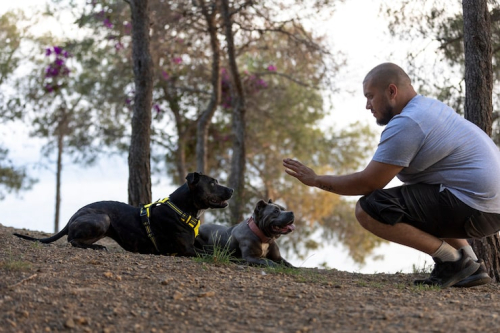
In the bustling neighborhoods of San Francisco from the hilly streets of Potrero Hill to the vibrant energy of the Mission District dog owners are discovering that raising a well-behaved companion isn’t about quick fixes but about understanding growth stages. “From Puppyhood to Adulthood: A Developmental Training Blueprint for San Francisco Dogs” offers practical insights drawn from real experiences in local communities like Dogpatch, Bernal Heights, Castro District, and Noe Valley, while resonating with dog lovers across the United States, Canada, and Europe.
Your dog’s daily struggles pulling, mealtime anxiety, or reactivity don’t just cause stress, they chip away at the joy of being together. At Prime Paw, our positive reinforcement-based programs meet your dog where they are and build confidence, connection, and real skills. Our tailored programs in-person classes, coaching, and online resources help you enjoy calmer walks, relaxed routines, and a deeper connection. Ready for lasting change? Schedule a Prime Paw consultation today!
Why a Developmental Training Approach Matters for Modern Dog Owners
Every puppy enters the world as a blank canvas, full of curiosity and boundless energy. In dense urban settings across North America and Europe, where apartments are common and green spaces at a premium, early attention to development shapes everything from daily walks to long-term family harmony. Structured guidance during key growth phases helps prevent common issues like excessive barking, leash pulling, or anxiety around strangers challenges many city dwellers know all too well.
Local trends show dog parents turning to thoughtful, stage-specific methods rather than one-size-fits-all commands. This approach builds confidence, strengthens the human-animal bond, and creates dogs that thrive in everything from busy sidewalks in SoMa to off-leash adventures at Bernal Heights Park. Professional dog training services focused on behavior, obedience, and capabilities are gaining traction as owners recognize the lasting impact of investing early.
Understanding Your Dog’s Key Developmental Stages
Dogs progress through distinct windows of learning, much like children. The critical socialization period between 8 and 16 weeks lays the foundation for how they view the world. During this time, gentle exposure to new sounds, people, and environments in neighborhoods like Noe Valley helps puppies grow into adaptable adults ready for urban life.
As they move into adolescence roughly 6 to 18 months energy levels spike and independence emerges. This phase often tests patience in places like Mission Dolores Dog Run, where consistent routines turn playful chaos into focused engagement. Adulthood brings stability, but continued mental stimulation keeps older dogs sharp and content throughout their lives.
The Power of Positive Reinforcement Across All Ages
Trainers in San Francisco and similar progressive cities increasingly favor reward-based techniques. Treats, praise, and play replace outdated corrections, leading to eager learners who associate training with joy. This method proves especially effective for first-time owners adopting rescues, creating trust instead of fear and supporting better behavior long-term.
Emerging Trends Shaping Canine Training Today
Communities across the United States, Canada, and Europe are embracing modern approaches that blend tradition with innovation. Puppy enrichment classes at local veterinary clinics and community centers help young dogs develop social skills while burning off energy. In areas with strict urban regulations, these programs also address practical needs like reliable recall near traffic.
Technology plays a supportive role too. Apps that track progress, remind owners of training sessions, or monitor activity levels have gained popularity among busy professionals in tech-heavy districts. Yet the heart remains human connection daily interactions that reinforce lessons learned in group settings or private sessions.
Service dog training programs continue to expand, offering specialized support for mental health, mobility, and medical conditions. These initiatives, often spanning several months, highlight how professional training creates functional companions that enhance quality of life for many families.
Practical Strategies for Puppyhood: Building Strong Foundations
Start simple with short, frequent sessions of five to ten minutes to match young attention spans. Focus on name recognition, basic cues like “sit” and “come,” and crate training that respects natural den instincts. In neighborhoods with active dog culture, pairing these with visits to safe, enclosed parks accelerates learning through real-world practice.
Socialization remains non-negotiable. Controlled introductions to other dogs, people of varying ages, and everyday urban stimuli prevent future reactivity. Owners in Bernal Heights and similar spots report smoother adult lives when puppies experience diverse environments early. Basic obedience training holds particular value here, meeting the needs of rescue adopters and first-time owners seeking reliable behavior correction.
- Introduce new experiences gradually to avoid overwhelming your puppy.
- Use high-value rewards to reinforce desired behaviors consistently.
- Incorporate play into every session to keep training fun and engaging.
Navigating the Adolescent Phase: Patience Meets Consistency
Many describe the teenage months as the most challenging. Hormonal changes and testing boundaries require steady leadership without harshness. Maintaining routines while gradually increasing expectations helps adolescents channel their drive productively whether learning advanced tricks or mastering polite greetings on crowded Castro streets.
Professional guidance during this window prevents small habits from becoming entrenched problems. Board-and-train options or weekly group classes provide structure when home schedules tighten. Different formats, including online courses and workshops, accommodate the wide range of owner needs and lifestyles across regions.
Supporting Adult Dogs: Lifelong Learning and Enrichment
Training doesn’t end at maturity. Adult dogs benefit from ongoing mental challenges that combat boredom and maintain good behavior. Advanced obedience, scent work, or even therapy dog preparation keeps their minds engaged while deepening the partnership with their families.
In service-oriented programs, dogs learn to assist with mobility, alert to medical conditions, or provide emotional support roles increasingly valued in communities supporting veterans and individuals with disabilities. These purposeful activities fulfill natural instincts and strengthen family bonds. Formats like private sessions, group classes, and board-and-train programs make continued education accessible and effective.
Local Success Stories and Community Resources
Dog owners throughout San Francisco share similar journeys. One Potrero Hill family transformed their energetic rescue through consistent developmental steps, turning chaotic walks into enjoyable outings. Another in Dogpatch credits early socialization at community events with helping their dog remain calm during neighborhood festivals.
Resources abound: University of California veterinary extension programs offer evidence-based guidance, while San Francisco Animal Care & Control provides valuable adoption support and training referrals. Similar networks exist in major cities across the US, Canada, and Europe, connecting owners with qualified professionals who deliver diverse training options tailored to individual needs.
Overcoming Common Challenges in Urban Environments
Space limitations and busy lifestyles create unique hurdles. Apartment living demands reliable house training and quiet behavior. Noise sensitivity from traffic or construction calls for desensitization exercises. Yet these same constraints encourage creative solutions like indoor puzzle toys and short, meaningful training moments throughout the day.
Weather variations across regions also influence routines. Rainy days in the Pacific Northwest or snowy winters in Canada become opportunities for indoor games that reinforce focus and impulse control. By adapting developmental training to local conditions, owners build resilient companions equipped for real-life scenarios.
Common Questions About Developmental Training
Many wonder when to begin training a new puppy. The answer is as early as possible, focusing on positive experiences during sensitive developmental windows. Others ask about the best methods for adolescent dogs testing limits consistency paired with patience consistently yields the strongest results.
Questions about service dog pathways or behavior modification for rescues are common too. Professional trainers equipped with experience in these areas provide customized programs that address specific challenges while promoting overall well-being.
Final Thoughts: Investing in Your Dog’s Future
Developmental training is more than teaching commands it’s about nurturing a relationship built on mutual understanding and respect. By meeting dogs at each life stage with patience, positive methods, and appropriate challenges, owners across San Francisco and beyond create companions ready for life’s adventures.
Whether you’re welcoming a new puppy or guiding an adult through new skills, the investment pays dividends in harmony, safety, and joy. Your dog’s best years unfold through consistent, caring guidance tailored to their growth. The journey from playful puppy to confident adult rewards every step taken together, fostering deeper connections that enrich daily life in communities large and small.
Frequently Asked Questions
When should I start training my puppy, and what should I focus on first?
You should begin training as early as possible, ideally during the critical socialization window between 8 and 16 weeks. Start with short sessions of five to ten minutes focused on name recognition, basic cues like “sit” and “come,” and crate training. Gradually exposing your puppy to new sounds, people, and environments during this period helps build an adaptable, confident adult dog.
How do I handle my dog’s difficult adolescent phase (6–18 months)?
The adolescent phase is often the most challenging, as hormonal changes and boundary-testing behaviors emerge. The key is maintaining consistent routines and steady leadership without harshness, while gradually increasing expectations. Professional guidance through group classes, board-and-train programs, or private sessions during this window can prevent small habits from becoming long-term problems.
Does dog training need to continue into adulthood, or is puppyhood enough?
Training should continue well beyond puppyhood to keep adult dogs mentally stimulated and behaviorally sharp. Advanced obedience, scent work, or therapy dog preparation are excellent ways to challenge mature dogs and deepen the human-animal bond. Ongoing learning combats boredom, maintains good behavior, and can even open doors to service roles such as mobility assistance or emotional support.
Disclaimer: The above helpful resources content contains personal opinions and experiences. The information provided is for general knowledge and does not constitute professional advice.
You may also be interested in: Dogs Deserve Force-Free Training: The Growing Movement
Your dog’s daily struggles pulling, mealtime anxiety, or reactivity don’t just cause stress, they chip away at the joy of being together. At Prime Paw, our positive reinforcement-based programs meet your dog where they are and build confidence, connection, and real skills. Our tailored programs in-person classes, coaching, and online resources help you enjoy calmer walks, relaxed routines, and a deeper connection. Ready for lasting change? Schedule a Prime Paw consultation today!
Powered by flareAI.co