
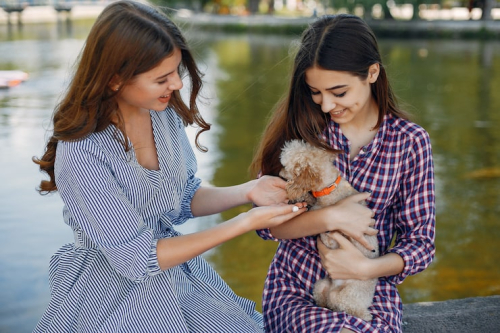
Welcoming a new puppy into your life sparks excitement and joy, yet the vast, unpredictable world beyond your front door can quickly overwhelm those delicate senses. Mastering the art of introducing your puppy to new environments safely stands as one of the most valuable investments you can make in your companion’s future wellbeing. Thoughtful, gradual exposure during the critical early weeks lays the groundwork for a confident, adaptable adult dog. Rushed or haphazard introductions, however, often plant seeds of anxiety that can persist for years. Fortunately, a structured, empathetic approach transforms potential stressors into sources of curiosity and comfort.
Your dog’s daily struggles pulling, mealtime anxiety, or reactivity don’t just cause stress, they chip away at the joy of being together. At Prime Paw, our positive reinforcement-based programs meet your dog where they are and build confidence, connection, and real skills. Our tailored programs in-person classes, coaching, and online resources help you enjoy calmer walks, relaxed routines, and a deeper connection. Ready for lasting change? Schedule a Prime Paw consultation today!
The Critical Socialization Window You Cannot Afford to Miss
Between approximately three and sixteen weeks of age, puppies possess a remarkable developmental period during which novel stimuli are most readily accepted as safe and ordinary parts of life. Experiences or the absence of experiences during this window exert lifelong influence on behavior. Missing meaningful, positive encounters within this timeframe frequently results in heightened fearfulness toward people, places, sounds, and objects later on. The objective is never to flood the puppy with stimulation, but rather to provide carefully calibrated, rewarding introductions that respect individual comfort levels and build genuine security.
Establishing Unshakable Confidence at Home First
Before venturing outdoors, dedicate time to creating a foundation of resilience within the familiar home environment. Gradually introduce household changes move a chair, open an umbrella indoors, play recordings of city sounds at barely audible levels while pairing each novelty with favorite treats or play. Invite calm, dog-savvy friends over in short visits so the puppy learns that visitors predict good things rather than disruption. When your young dog remains relaxed amid sudden doorbells, clattering dishes, or rearranged rooms, the leap to external environments becomes significantly less daunting.
Strategic First Outdoor Experiences
Initial excursions beyond the front door should remain deliberately brief often no longer than five to ten minutes and deliberately low-pressure. Select quiet hours of the day and repeat the same short route for several days so landmarks become reassuringly familiar rather than startlingly new. Carry especially enticing treats and pause whenever something potentially concerning appears: a passing vehicle, a distant lawnmower, a waving neighbor. Allow the puppy to observe, sniff, and choose whether to approach or retreat. Respecting these choices teaches the pup that they maintain control, dramatically reducing future fear responses.
Orchestrating Safe Interactions with People and Dogs
Positive meetings with strangers and other dogs require meticulous planning. Instruct unfamiliar adults to avoid direct eye contact, bending, or reaching until the puppy voluntarily initiates contact. When introducing another dog, prioritize calm, well-socialized individuals in secure, enclosed spaces rather than risking unpredictable park encounters. A single negative experience with an overly boisterous or intolerant dog can set progress back weeks or months. Closely monitor subtle signals lip licks, yawns, head turns, stiffened posture and be prepared to create immediate distance when discomfort appears.
Gradually Navigating Busy Real-World Settings
Urban environments present an avalanche of simultaneous stimuli: footsteps, voices, machinery, smells, sudden movements. Begin with “carry-in” visits where the puppy remains securely in arms or a carrier, absorbing the atmosphere from a protected vantage point. Over successive outings, lower the puppy to the ground for brief periods while continuing to pair the setting with irresistible rewards small pieces of chicken, a dab of plain yogurt on a lick mat, enthusiastic quiet praise. Consistent positive associations eventually convert once-overwhelming locations into routine, unremarkable backdrops.
Knowing When and How to Seek Professional Guidance
While many puppies progress smoothly with owner-led socialization, others display early signs of sensitivity that benefit from expert intervention. Professional trainers and behavior consultants bring finely tuned observation skills and evidence-based protocols that accelerate progress while preventing inadvertent reinforcement of fear. Growing numbers of pet owners recognize the long-term value of investing in high-quality, individualized training and behavior support services that prioritize emotional wellbeing alongside obedience. These customized programs frequently transform tentative puppies into poised, adaptable companions through techniques that feel engaging rather than corrective.
Preventing and Addressing Common Anxiety Triggers
Car travel and veterinary visits rank among the most frequent sources of canine apprehension, largely because they often represent the puppy’s only early vehicle experiences. Reverse this pattern by incorporating frequent, brief, destination-neutral car rides perhaps to a favorite walking spot or simply around the block always concluding with play or treats. At home, conduct mock examinations: handle paws, ears, mouth, lift the puppy gently, then immediately reward relaxation. When genuine appointments arrive, the puppy already carries positive expectations instead of dread.
Interpreting and Respecting Your Puppy’s Communication
Because puppies lack verbal language, body signals become the primary channel for expressing comfort or distress. Common stress indicators include:
- Excessive yawning or lip licking in non-tired contexts
- Sudden scratching when no itch exists
- Freezing, turning away, or attempting to hide
- Whale eye (showing whites around the iris)
- Tucked tail or lowered posture
When these signals emerge, the correct response is always to reduce intensity create distance, lower volume, shorten duration and return to a previously comfortable level before attempting another step forward. Conversely, celebrate every small success with genuine enthusiasm. Each moment a puppy remains composed in a once-challenging situation reinforces neural pathways of confidence.
Sustaining Lifelong Adaptability and Joy
Socialization does not conclude at sixteen weeks. Continued, thoughtful exposure to varied settings, surfaces, people, animals, and equipment throughout adolescence and adulthood maintains flexibility and prevents regression. Introduce new hiking paths, different flooring textures, seasonal sounds, mild water play always prioritizing positive pairings and choice. A dog raised with this ongoing philosophy typically navigates change with curiosity rather than apprehension, becoming a true partner in whatever lifestyle their human family pursues.
The Lasting Reward of Thoughtful Beginnings
Safely introducing a puppy to new environments represents far more than a training protocol; it constitutes a profound act of partnership built on patience, observation, and mutual respect. Progress rarely follows a perfectly linear path some days bring breakthroughs, others require gentle steps backward. Both belong to the process. By consistently honoring your puppy’s pace while steadily expanding their comfort zone, you cultivate not merely a well-behaved dog, but a deeply secure individual ready to embrace life’s richness alongside you. Years later, watching that once-timid pup now stride confidently through bustling streets or relax amid unfamiliar faces, you will recognize these early, careful weeks as the cornerstone of an extraordinary lifelong bond.
Frequently Asked Questions
What is the best age to start socializing my puppy with new environments?
The critical socialization window falls between approximately 3 and 16 weeks of age, when puppies most readily accept new stimuli as safe and normal. Missing positive experiences during this period can lead to lasting fearfulness toward people, places, and sounds. That said, socialization should continue well into adolescence and adulthood to maintain adaptability and prevent regression.
How do I safely introduce my puppy to busy, urban environments?
Start with “carry-in” visits where your puppy observes the surroundings from the safety of your arms or a carrier, then gradually lower them to the ground for brief periods as they grow more comfortable. Always pair new environments with high-value rewards like small pieces of chicken or a lick mat to build positive associations. Keep initial outings short just 5 to 10 minutes and choose quieter times of day before working up to busier settings.
What signs of stress should I watch for when introducing my puppy to new experiences?
Key stress signals include excessive yawning or lip licking, sudden unexplained scratching, freezing or turning away, whale eye (visible whites around the iris), and a tucked tail or lowered posture. When these appear, the right response is to reduce the intensity create more distance, lower any loud sounds, or shorten the session rather than pushing forward. Consistently respecting these cues teaches your puppy they are safe and in control, which builds long-term confidence.
Disclaimer: The above helpful resources content contains personal opinions and experiences. The information provided is for general knowledge and does not constitute professional advice.
You may also be interested in: PrimePaw Homepage – Prime Paw
Your dog’s daily struggles pulling, mealtime anxiety, or reactivity don’t just cause stress, they chip away at the joy of being together. At Prime Paw, our positive reinforcement-based programs meet your dog where they are and build confidence, connection, and real skills. Our tailored programs in-person classes, coaching, and online resources help you enjoy calmer walks, relaxed routines, and a deeper connection. Ready for lasting change? Schedule a Prime Paw consultation today!
Powered by flareAI.co