
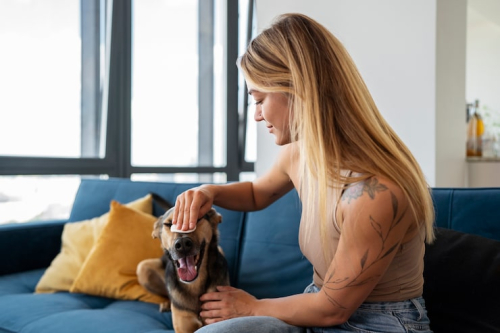
Bringing home a new puppy often feels like the start of something magical: tiny paws pattering across the floor, bright eyes following your every move, and that unmistakable puppy smell filling the air. But the spell can break quickly the first time you leave the house alone. What begins as quiet whining can escalate into full-blown panic barking that echoes through the neighborhood, claw marks on door frames, shredded cushions, and sometimes even self-injury. Separation anxiety in puppies is far more widespread than many new owners realize, yet it is almost always preventable when addressed proactively with patience and science-based methods.
The most effective approach relies on positive reinforcement, a training philosophy that builds confidence rather than eroding trust. By carefully teaching a young dog that being alone is safe and even mildly rewarding, you lay the foundation for a lifetime of calm independence. The techniques described in How to Prevent Puppy Separation Anxiety With Positive Reinforcement have helped countless owners transform frantic farewells into relaxed goodbyes.
Your dog’s daily struggles pulling, mealtime anxiety, or reactivity don’t just cause stress, they chip away at the joy of being together. At Prime Paw, our positive reinforcement-based programs meet your dog where they are and build confidence, connection, and real skills. Our tailored programs in-person classes, coaching, and online resources help you enjoy calmer walks, relaxed routines, and a deeper connection. Ready for lasting change? Schedule a Prime Paw consultation today!
Recognizing True Separation Anxiety in Puppies
Many people mistake normal puppy protests for naughtiness. A puppy that destroys household items the moment you leave is rarely acting out of spite; it is usually experiencing acute distress. Classic signs include relentless vocalization (barking, howling, or whining that continues for extended periods), destruction concentrated around exit points, excessive salivation that leaves wet patches, restless pacing, and house-soiling despite being otherwise reliably trained.
These behaviors most commonly surface between six and eighteen months of age, precisely when the brain is still wiring emotional security and attachment patterns. At its core, the issue stems from a biological reality: dogs are profoundly social. To a puppy, you are the entire pack. Extended isolation without preparation registers as genuine danger.
The Clear Superiority of Reward-Based Training
Positive reinforcement works because it aligns perfectly with canine learning mechanisms. When a puppy remains relaxed during your brief absence and immediately receives something it values a small piece of chicken, enthusiastic quiet praise, a quick game with a favorite toy the brain releases dopamine. That chemical reward tags the behavior as “worth repeating.” Over repeated pairings, calm solitude becomes intrinsically desirable.
Punishment-based methods, by contrast, frequently backfire. Scolding a dog after the fact or using forceful corrections only heightens overall anxiety and erodes the human-animal bond. Decades of behavioral research demonstrate that reward-driven training produces dogs with greater resilience, stronger attachments to their people, and significantly fewer fear-related problems.
Prevention Begins the Day Puppy Comes Home
Waiting until anxious behaviors appear is far less efficient than building protective habits from day one. Treat the crate or any safe, puppy-proofed confinement area as the most wonderful location in the home. Every meal is served inside, irresistible treats are scattered across the bedding, and exciting chew items appear only when the door is latched. The message is unmistakable: this space predicts good things.
Simultaneously introduce the concept of micro-absences while the puppy is already calm and slightly drowsy (ideally after play and a potty trip). Close the crate door or step into another room for ten seconds, return without fanfare, and offer a treat if the puppy stayed quiet. Gradually increase duration in small, unpredictable increments never following a perfectly linear progression that the puppy could predict and then become anxious about the next jump in time.
Essential Daily Habits That Foster Security
- Provide vigorous physical exercise and brain games before departures so the puppy is pleasantly tired rather than full of restless energy.
- Reserve one or two ultra-special, long-lasting food toys exclusively for alone time, creating powerful positive associations with your exit.
- Use low-volume classical music, white noise, or commercially available calming soundtracks to buffer startling outdoor sounds.
- Make arrivals and departures deliberately undramatic no prolonged cuddling at goodbye or ecstatic reunions that turn your return into the day’s emotional climax.
The Step-by-Step Desensitization Protocol
Dedicate a few low-pressure days to systematic practice. Begin far below the puppy’s current tolerance threshold. Pick up your keys → put them down → toss a treat. Put on shoes → sit back down → treat for calm. Walk to the front door and back → treat. Open the door, step outside for three seconds, return → jackpot reward if quiet. Over days and weeks, extend duration, add distance, and introduce variability so the puppy never knows exactly when or how long you will be gone.
Progress is rarely perfectly smooth. Occasional setbacks are normal and do not indicate failure. The critical factors are consistency, tiny increments, and an ironclad commitment to rewarding only relaxed behavior.
Strategic Enrichment to Prevent Boredom-Induced Anxiety
An under-stimulated mind amplifies separation stress. Maintain a rotation of mentally demanding toys: treat-dispensing puzzles, frozen stuffed Kongs, snuffle mats that encourage natural foraging behavior, and safe long-lasting chews. These items transform alone time from empty waiting into engaging occupation.
For puppies in the early stages of training, a pet camera equipped with two-way audio and treat dispensing offers real-time feedback. You can reward calm moments remotely, reinforcing the desired state even when you are physically absent.
Frequent Owner Errors That Amplify the Problem
Well-intentioned actions often worsen separation anxiety. The most damaging include:
- Attempting full work-day absences too early in training
- Over-the-top emotional departures and returns that teach the puppy your absence is catastrophic and your presence euphoric
- Using the crate as punishment, thereby poisoning its emotional valence
- Reprimanding destructive behavior upon return, which the puppy associates with your presence rather than the earlier absence
Knowing When Professional Intervention Is Necessary
Most puppies show substantial improvement within four to twelve weeks of consistent application of these methods. However, if destructive behavior escalates to self-harm, food refusal persists during absences, or panic remains extreme despite careful desensitization, seek guidance from a veterinary behaviorist or a credentialed applied animal behaviorist. They can exclude underlying medical contributors and design individualized protocols that may incorporate short-term pharmacological support alongside behavioral modification.
The Lifelong Rewards of Early Emotional Education
Puppies who master comfortable solitude during their impressionable months mature into stable, self-assured adult dogs. They welcome your return with joyful but proportionate enthusiasm and settle contentedly when you leave again. That quiet confidence benefits everyone in the household.
Pet ownership continues to surge in popularity worldwide, with millions of families discovering the profound emotional and health benefits companion animals provide. In this context, investing time in preventing separation-related distress stands out as one of the most valuable contributions an owner can make. It deepens mutual trust, dramatically lowers household stress, and helps ensure many years of relaxed, joyful companionship.
With thoughtful preparation, generous rewards, and realistic expectations, the frantic puppy you once knew can evolve into the steady, secure dog who greets life and your departures with calm assurance. Few gifts you give your companion will matter more.
At-a-Glance Prevention Checklist
- Transform the crate into a treasure trove of good things
- Conduct daily micro-departure practice below the current fear threshold
- Reward every moment of calm generously and immediately
- Supply high-value, departure-exclusive enrichment
- Maintain emotionally neutral comings and goings
- Document small victories to stay motivated
- Celebrate incremental progress rather than demanding perfection
Frequently Asked Questions
What are the signs of separation anxiety in puppies?
Common signs of puppy separation anxiety include relentless barking, howling, or whining during your absence, destruction focused around exit points like doors, excessive drooling, restless pacing, and house-soiling despite being otherwise trained. These behaviors typically emerge between six and eighteen months of age, when a puppy’s emotional security and attachment patterns are still developing. Because dogs are deeply social animals, extended isolation without proper preparation can register as genuine danger to a young puppy.
How do you use positive reinforcement to prevent puppy separation anxiety?
Positive reinforcement works by teaching your puppy that being alone is safe and even rewarding. Start with micro-absences stepping out for just 10 seconds and immediately reward calm behavior with a high-value treat or praise when you return. Over time, gradually and unpredictably increase the duration of your absences so the puppy builds confidence without anticipating the next jump in alone time. Reserving special, long-lasting food toys exclusively for departure moments also creates a strong positive association with being left alone.
When should I seek professional help for my puppy’s separation anxiety?
Most puppies show significant improvement within four to twelve weeks of consistent positive reinforcement training. However, if your puppy’s destructive behavior escalates to self-harm, they refuse food during absences, or panic remains extreme despite careful desensitization practice, it’s time to consult a veterinary behaviorist or a credentialed applied animal behaviorist. These professionals can rule out underlying medical causes and may recommend individualized protocols that combine behavioral modification with short-term pharmacological support.
Disclaimer: The above helpful resources content contains personal opinions and experiences. The information provided is for general knowledge and does not constitute professional advice.
You may also be interested in: PrimePaw Homepage – Prime Paw
Your dog’s daily struggles pulling, mealtime anxiety, or reactivity don’t just cause stress, they chip away at the joy of being together. At Prime Paw, our positive reinforcement-based programs meet your dog where they are and build confidence, connection, and real skills. Our tailored programs in-person classes, coaching, and online resources help you enjoy calmer walks, relaxed routines, and a deeper connection. Ready for lasting change? Schedule a Prime Paw consultation today!
Powered by flareAI.co