
Quick Listen:
Imagine stepping out your front door with your energetic new puppy, eager for relaxed neighborhood strolls together. Instead of peaceful pacing, the leash snaps tight, your arm jerks forward, and the outing quickly descends into a exhausting tug-of-war. Many new dog owners find leash training their puppy far more challenging than expected. Fortunately, with steady patience and proven methods, calm and enjoyable walks become not only achievable but genuinely rewarding.
Leash training for puppies using positive reinforcement offers a compassionate and highly effective alternative to outdated forceful corrections. This approach builds lasting trust, transforms training into an engaging partnership, and teaches your young dog to walk politely at your side without tension or struggle.
Your dog’s daily struggles pulling, mealtime anxiety, or reactivity don’t just cause stress, they chip away at the joy of being together. At Prime Paw, our positive reinforcement-based programs meet your dog where they are and build confidence, connection, and real skills. Our tailored programs in-person classes, coaching, and online resources help you enjoy calmer walks, relaxed routines, and a deeper connection. Ready for lasting change? Schedule a Prime Paw consultation today!
Why Proper Leash Training Makes a Lasting Difference
Regular walks provide much more than simple physical exercise. They deliver essential mental stimulation, valuable socialization experiences, and daily opportunities to deepen the bond you share with your dog. A puppy that pulls relentlessly misses these advantages, while the owner often begins to avoid what should be one of the best parts of the day.
Starting training early proves transformative. Puppies absorb lessons quickly through play, praise, and consistent guidance. By rewarding desired behaviors instead of punishing mistakes, you establish strong foundations for polite manners that endure throughout your dog’s life. This method not only leads to more relaxed outings but also nurtures greater confidence in your growing companion.
Why Puppies Pull and How Positive Reinforcement Changes the Dynamic
Pulling comes naturally to puppies. Fresh sights, intriguing scents, and exciting sounds fuel their curiosity, driving them forward instinctively. Traditional tools like choke or prong collars may temporarily halt the behavior, yet they frequently spark fear or anxiety, harming the relationship and sometimes creating new problems later.
Positive reinforcement reverses this pattern. Rather than confronting pulling directly, you generously reward those brief moments when the leash remains loose. Gradually, your puppy discovers that staying nearby and moving calmly earns treats, enthusiastic praise, and continued exploration turning walks into something both of you anticipate.
Preparing for Success: Gear and the Right Mindset
Before your first training session, select appropriate equipment. A comfortable, well-fitted harness particularly front-clip designs often works better than a standard collar for discouraging pulling when paired with a regular leash. Prepare plenty of high-value treats, such as tiny bits of chicken or cheese that capture your pup’s full attention.
Your own approach matters just as much as the tools. Bring patience and consistency to every outing. Brief, frequent sessions outperform lengthy ones that lead to fatigue. Target five to ten minutes multiple times daily, and always conclude while your puppy is still succeeding to maintain enthusiasm.
Practical Step-by-Step Techniques Using Positive Reinforcement
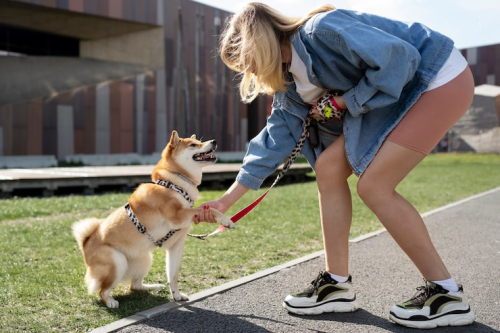
Launch training in a low-distraction area such as indoors or a quiet backyard. Hold treats at your side and gently encourage your puppy to stay close while walking. The instant the leash stays slack even for just a step or two mark it happily with “yes!” and immediately offer a treat.
Slowly expand the distance and introduce gentle distractions. Should your puppy lunge ahead, simply pause or softly redirect your path. Wait patiently for the leash to loosen once more before rewarding and moving forward again. This clear feedback teaches that pulling halts progress while calm walking keeps the adventure alive.
Work on the “heel” position by using a treat to guide your pup alongside your left or right leg. Reward generously in the beginning, then gradually reduce the lure so your puppy responds reliably to your verbal cue and body language. Change speeds and directions often to sustain interest and sharpen focus.
Handling Early Challenges Effectively
- Doorway excitement: Request a brief sit before attaching the leash and reward calm waiting.
- Constant sniffing: Permit short, controlled sniffing sessions as a reward after stretches of good leash manners, perhaps using a cue like “go sniff.”
- Distraction toward others: Begin at greater distances from dogs or people and reinforce attention on you instead.
Ensure every household member applies the same rules. Uniform guidance prevents confusion and helps the training take hold more quickly.
Using Enrichment Toys to Support Better Leash Focus
A puppy who has engaged in mental activity often learns more readily during training. Interactive toys that challenge problem-solving skills complement leash work beautifully by releasing pent-up energy beforehand. Growing numbers of pet owners now recognize how mental stimulation enhances overall well-being and encourages improved behavior on walks.
A short session with a puzzle toy before heading outside can help settle your puppy into a calmer frame of mind, paving the way for more productive leash practice.
Extending Skills to Real-World Situations
Once indoor basics feel solid, transition to outdoor locations with minimal distractions. Progress steadily to busier settings starting with quiet streets before advancing to parks or moderately active sidewalks.
Apply variable reinforcement schedules: sometimes reward after every successful step, other times after several in a row. This strategy builds lasting reliability so your puppy maintains polite walking even when treats appear less frequently. Rehearse around everyday distractions such as passing bicycles, squirrels, or unfamiliar dogs, always choosing starting distances that set your pup up to succeed.
Navigating Setbacks with Consistency and Kindness
Every puppy experiences occasional off days. When forward momentum slows, simply return to simpler environments or shorten sessions. Steer clear of showing frustration, as tension travels straight down the leash. Instead, highlight small victories like completing one calm block to sustain motivation and positive momentum.
Many owners discover that time invested in positive leash training yields rewards similar to those seen in the broader world of pet products designed to support health and daily happiness. The result is greater harmony in everyday life together.
The Enduring Advantages of Positive Reinforcement Training
Dogs trained through these gentle methods typically grow into more confident, less anxious companions who truly relish their walks. The human-canine relationship strengthens because sessions feel like shared games rather than confrontations. Polite leash skills frequently enhance other behaviors too, including improved recall and relaxed greetings at home or on outings.
This approach reflects current insights into how dogs learn best. It sidesteps the potential downsides of harsher tools while delivering dependable, lifelong results built on mutual respect.
Answering Common Questions About Leash Training Puppies
How soon will I see results? With regular practice, most puppies display clear progress within a few weeks, although achieving rock-solid reliability amid heavy distractions may require several months.
Can these methods work for an older puppy who already pulls hard? Absolutely. The same positive techniques apply successfully to adolescent and adult dogs. Extra patience helps, and a certified positive-reinforcement trainer can offer tailored support when needed.
Must I rely solely on food treats? Not at all. Once your puppy grasps the concept, everyday rewards such as permission to keep walking, brief sniffing breaks, or quick play can prove equally motivating.
Looking Ahead: Enjoying Walks as a True Partnership
Leash training a puppy through positive reinforcement goes beyond rapid fixes or flawless performance from day one. It centers on constructing a solid base of trust, clear communication, and shared pleasure in each outing. Those initial unsteady, treat-scattered steps gradually evolve into smooth, joyful excursions that both you and your dog eagerly anticipate.
Remain dedicated, acknowledge every bit of improvement, and observe your connection grow stronger. The serene walks you envision are entirely possible they await you, built one relaxed leash length at a time.
Frequently Asked Questions
How do I stop my puppy from pulling on the leash using positive reinforcement?
Instead of correcting pulling directly, reward your puppy the moment the leash goes slack even for just a step or two with a treat and enthusiastic praise like “yes!” If your puppy lunges ahead, pause or gently redirect, then wait for the leash to loosen before moving forward again. This teaches your puppy that pulling stops the walk, while calm walking keeps the adventure going. Consistent, short sessions of 5–10 minutes repeated several times daily build the habit quickly.
What equipment is best for leash training a puppy that pulls?
A well-fitted harness especially a front-clip design is generally more effective than a standard collar for discouraging pulling, as it gently redirects your puppy’s direction rather than putting pressure on the neck. Pair it with a standard leash and stock up on high-value treats like small pieces of chicken or cheese to keep your puppy’s attention. Avoiding choke or prong collars is important, as these can trigger fear or anxiety and damage the trust you’re building with your dog.
How long does it take to leash train a puppy with positive reinforcement?
Most puppies show noticeable improvement within a few weeks of consistent daily practice, though achieving reliable, distraction-proof leash manners can take several months. Progress by starting in low-distraction environments like indoors or a quiet backyard, then gradually moving to busier settings like parks or active sidewalks. If your puppy already has a strong pulling habit, the same techniques work for older dogs too a certified positive-reinforcement trainer can provide extra support if needed.
Disclaimer: The above helpful resources content contains personal opinions and experiences. The information provided is for general knowledge and does not constitute professional advice.
You may also be interested in: Professionals Discuss Ethical Considerations in Training Assistance and Service Dogs
Your dog’s daily struggles pulling, mealtime anxiety, or reactivity don’t just cause stress, they chip away at the joy of being together. At Prime Paw, our positive reinforcement-based programs meet your dog where they are and build confidence, connection, and real skills. Our tailored programs in-person classes, coaching, and online resources help you enjoy calmer walks, relaxed routines, and a deeper connection. Ready for lasting change? Schedule a Prime Paw consultation today!
Powered by flareAI.co