
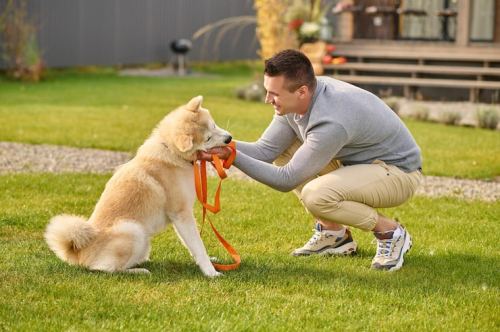
Imagine stepping out your front door with a bright-eyed puppy at your side, leash in hand, ready for what should be a peaceful neighborhood walk. Instead the little one charges forward, yanking you along in an enthusiastic game of tug that ends with both of you exhausted and irritated. This scene plays out in countless households every year, yet the good news is that those chaotic first outings can quickly evolve into relaxed, enjoyable strolls when you approach leash training thoughtfully and consistently. Growing awareness of canine well-being drives pet owners to invest in tools and experiences that keep their dogs mentally and physically engaged. The same careful attention makes leash training for puppies one of the most valuable skills you can teach early, establishing trust, confidence, and a strong partnership before problem behaviors become ingrained.
Your dog’s daily struggles pulling, mealtime anxiety, or reactivity don’t just cause stress, they chip away at the joy of being together. At Prime Paw, our positive reinforcement-based programs meet your dog where they are and build confidence, connection, and real skills. Our tailored programs in-person classes, coaching, and online resources help you enjoy calmer walks, relaxed routines, and a deeper connection. Ready for lasting change? Schedule a Prime Paw consultation today!
Why Starting Leash Training Early Pays Lifelong Dividends
Leash training goes far beyond simple obedience. At its core it teaches a puppy how to move through the world safely and contentedly beside their person. Puppies can begin learning as early as eight weeks, during the critical socialization window when they absorb habits most readily. Without gentle, structured guidance in those first months, common issues chronic pulling, lunging at distractions, or outright fear of the leash quickly solidify into patterns that require far more effort to reshape later. When done thoughtfully, leash work transforms routine walks into rich opportunities for exercise, mental enrichment, and bonding. Many owners notice a pleasant side effect: fewer unwanted behaviors at home, such as jumping on visitors or showing anxiety in new environments. The secret lies in keeping expectations realistic, sessions brief, and every small success generously rewarded.
Selecting Equipment That Supports Success Instead of Struggle
Before venturing beyond the front door, equip yourself with gear designed for a developing body and mind. Opt for a lightweight flat collar or better yet a well-fitted front-clip harness that naturally discourages pulling without causing discomfort. Choose a standard four- to six-foot leash crafted from soft, durable fabric that resists twisting. High-value treats, a beloved toy, and enthusiastic verbal praise will serve as your primary motivators. Retractable leashes should be avoided during the learning phase; the variable tension they create confuses most puppies about acceptable leash manners. Consistency matters from the very first clip, so introduce every item gradually and make sure your puppy associates the equipment with comfort and good things long before any real walking begins.
Mastering the Basics: Indoor Foundations That Build Confidence
Start training in a familiar, low-distraction space your living room, hallway, or fenced backyard works perfectly. Allow the puppy to wear the collar or harness for increasingly longer intervals while offering treats and play for remaining relaxed. Once acclimated, clip on the leash and simply stand still, letting the pup investigate the new sensation without pressure. Take one or two steps forward, using a cheerful voice and small food rewards to encourage following. The moment tension appears in the leash, stop moving completely. The instant the leash slackens even slightly mark the behavior with praise and continue. Keep initial sessions between five and ten minutes, scattering several throughout the day. Gradually expand to other rooms inside the house, always finishing while the puppy is still eager rather than fatigued. These early indoor repetitions create reliable muscle memory in a setting where focus comes easily.
Transitioning Outdoors: Gradual Exposure to the Real World
When loose-leash walking feels solid indoors, shift practice to the backyard or a quiet side street. Introduce environmental stimuli slowly distant traffic noise, passing birds, a neighbor’s lawn mower so the puppy learns to remain connected amid growing distractions. Continue using the stop-when-tight technique and add gentle direction changes whenever the leash begins to pull. Sprinkle in simple cues such as a quick “sit” or “look at me” to recapture attention. Puppies respond enthusiastically to novelty, so vary walking paths and incorporate mild challenges: stepping over a low curb, pausing beside a parked car, greeting a calm passerby from a distance. Make sure every household member follows identical rules, rewards, and timing. Uniform expectations prevent the confusion that often derails progress.
Turning Walks into Rewarding Adventures with Enrichment
Effective leash training never needs to feel like a chore. Blend short bursts of structured walking with moments of free sniffing, brief tug games, or treat-dispensing puzzle toys carried along for the journey. The global pet toys market reached USD 8.88 billion in 2023, reflecting how many owners now combine physical exercise with cognitive challenges to keep their dogs engaged and satisfied. After a stretch of polite heeling, reward with thirty seconds of unstructured sniffing or a quick play session with a favorite squeaky toy. These positive interruptions teach the puppy that calm connection to the handler unlocks the best parts of the outing. Over weeks the leash gradually shifts in meaning from something restrictive to the reliable signal that exciting explorations are about to begin.
Navigating Setbacks Calmly and Constructively
Progress is rarely linear. Persistent pulling may require temporarily shortening the leash and returning to lower-distraction locations until self-control strengthens. If the puppy shows hesitation around the leash itself, rebuild comfort by trailing it along the floor during play or pairing its presence with mealtimes. For reactive lunging toward dogs, bicycles, or vehicles, increase distance from the trigger and redirect focus with a high-value treat or toy before arousal escalates. Punishment yanking, scolding, or jerking damages trust and usually intensifies the very behavior you want to eliminate. Patient resets, generous rewards for correct choices, and realistic expectations resolve most challenges within a few consistent weeks.
Building Lasting Skills and Knowing When to Call for Support
Once reliable loose-leash walking emerges, protect the behavior through regular practice across increasingly busy settings local parks, wooded trails, downtown sidewalks. Periodic refreshers keep the skill sharp even as the dog matures. Group puppy classes offer excellent socialization alongside structured leash practice, while private sessions with a certified positive-reinforcement trainer can address stubborn plateaus. Training is never truly finished; it adapts as your companion grows. The investment made during those formative months yields years of relaxed walks, reduced stress for both ends of the leash, and a dog that naturally checks in with you no matter what the environment throws your way.
A Partnership Worth Every Patient Step
At its heart, leash training for puppies is less about achieving flawless heelwork and more about cultivating mutual respect and shared enjoyment. The awkward, stop-and-start sessions of the first weeks lay the foundation for a lifetime of joyful companionship. One morning you will glance down to see your formerly bouncy, unpredictable pup trotting contentedly at your side, periodically lifting bright eyes to meet yours. Ordinary walks turn into cherished rituals filled with discovery, quiet connection, and the simple pleasure of moving through the world together. Begin with kindness, hold fast to consistency, and the rewards will unfold naturally for years to come.
Frequently Asked Questions
At what age should I start leash training my puppy?
You can begin leash training as early as eight weeks old, during the critical socialization window when puppies absorb new habits most readily. Starting early helps prevent common issues like chronic pulling, lunging, or leash fear from becoming ingrained behaviors that are much harder to correct later. Brief, positive sessions of five to ten minutes work best at this stage.
What equipment do I need for leash training a puppy?
The best setup for a puppy includes a lightweight flat collar or a well-fitted front-clip harness, paired with a standard four- to six-foot leash made from soft, durable fabric. Avoid retractable leashes during training, as their variable tension confuses puppies about acceptable leash manners. High-value treats, a favorite toy, and enthusiastic praise are your most important motivators.
How do I stop my puppy from pulling on the leash?
The most effective technique is to stop moving completely the moment the leash becomes taut, then continue walking only when it slackens again. This teaches your puppy that pulling never gets them where they want to go, while a loose leash keeps the walk moving. Practicing first in low-distraction indoor spaces builds the muscle memory needed before gradually introducing outdoor environments and real-world distractions.
Disclaimer: The above helpful resources content contains personal opinions and experiences. The information provided is for general knowledge and does not constitute professional advice.
You may also be interested in: PrimePaw Homepage – Prime Paw
Your dog’s daily struggles pulling, mealtime anxiety, or reactivity don’t just cause stress, they chip away at the joy of being together. At Prime Paw, our positive reinforcement-based programs meet your dog where they are and build confidence, connection, and real skills. Our tailored programs in-person classes, coaching, and online resources help you enjoy calmer walks, relaxed routines, and a deeper connection. Ready for lasting change? Schedule a Prime Paw consultation today!
Powered by flareAI.co