
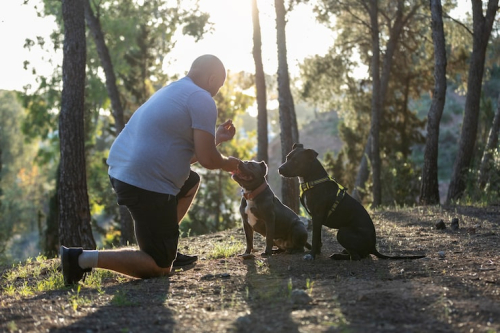
In the vibrant streets of San Francisco’s Mission District, a once-timid rescue dog now strides confidently beside her adopter, weaving through bustling crowds with ease. Her remarkable change came not from stern corrections but from steady, reward-focused guidance that strengthened trust and encouraged good choices. Such heartening stories are multiplying across San Francisco neighborhoods and resonating with pet parents in cities throughout the United States, Canada, and Europe, where positive training approaches are proving powerful in addressing behavioral hurdles and boosting successful adoptions for rescue dogs.
Your dog’s daily struggles pulling, mealtime anxiety, or reactivity don’t just cause stress, they chip away at the joy of being together. At Prime Paw, our positive reinforcement-based programs meet your dog where they are and build confidence, connection, and real skills. Our tailored programs in-person classes, coaching, and online resources help you enjoy calmer walks, relaxed routines, and a deeper connection. Ready for lasting change? Schedule a Prime Paw consultation today!
The Importance of Positive Methods for Rescue Dogs
Rescue dogs frequently enter shelters bearing emotional scars from past neglect, abandonment, or unstable environments. In lively urban districts like San Francisco’s Mission District, Potrero Hill, SoMa, Dogpatch, Bernal Heights, Castro District, and Noe Valley, these challenges intensify amid tight living quarters, constant activity, and the fast-paced routines of potential families. Positive reinforcement training, centered on celebrating desired actions instead of penalizing mistakes, provides a compassionate and effective route to healing.
This method accelerates the formation of deep bonds between dogs and their people while easing anxiety for everyone involved. Shelters and owners across North America and beyond report quicker progress in reducing problem behaviors and elevating overall animal welfare standards. In communities that prize empathy and community-driven rescue work, these kindness-centered techniques fit naturally with shared values of care and respect.
Understanding the Urban Context Across Regions
Cities in the United States, Canada, and parts of Europe share similar pressures: compact neighborhoods, mixed dog populations drawn from varied histories, and engaged local networks dedicated to animal welfare. High-density living demands that rescue dogs master skills for navigating noise, foot traffic, and social encounters calmly. Positive methods shine in these settings by prioritizing gradual socialization and mental engagement rather than introducing fear or force.
Initiatives in San Francisco’s Bernal Heights and Castro District mirror efforts in places like Toronto’s vibrant districts or London’s community parks, where customized programs help dogs adapt to apartment living, busy pathways, and recreational spaces. The outcome includes stronger placement success and fewer returns to shelters, creating ripple effects that strengthen entire neighborhoods.
Emerging Trends Shaping Rescue Dog Training
Moving Toward Reward-Based Techniques
Forward-thinking organizations such as the SF SPCA and grassroots efforts like North Beach Dog Rescue are leading the adoption of treat-based, praise-driven, and play-oriented strategies. These replace outdated punitive approaches that can heighten fear in dogs already recovering from trauma. The shift reflects growing recognition among trainers and veterinarians that building confidence through encouragement yields more reliable, lasting results.
Enrichment activities are also expanding rapidly. Shelters in the Mission District now routinely offer puzzle toys, scent games, and interactive exercises that stimulate minds and bodies. These tools prove invaluable where outdoor space is limited, helping dogs channel energy productively while supporting emotional recovery.
Community-Driven Programs and Collaborations
Volunteer walking groups and socialization circles in SoMa and Dogpatch provide real-life practice opportunities that mirror similar grassroots movements in Canadian and European cities. Early behavior evaluations paired with tailored enrichment plans improve matching between dogs and adopters. Close teamwork among shelters, veterinarians, and professional trainers crafts individualized rehabilitation paths that honor each dog’s unique background and needs.
These partnerships extend training beyond basic obedience to practical urban skills polite leash walking, relaxed greetings, and confident navigation of everyday city life.
Real-World Success Stories and Case Studies
Transformations in Mission District and Castro District
A reactive terrier mix at a Mission District shelter once found other dogs overwhelming. Dedicated positive reinforcement work using counter-conditioning helped him link the presence of other canines with positive experiences. In a matter of weeks, he moved from avoidance to joyful playdates and settled happily into a Castro District home.
Comparable breakthroughs happen regularly. A senior hound battling separation anxiety made steady gains through patient, step-by-step alone- time practice combined with engaging enrichment activities. His adopter in Noe Valley built a trusting relationship gradually, resulting in a secure and fulfilling permanent placement that benefits both dog and family.
Practical Benefits for Owners and Broader Communities
Positive training delivers clear, everyday advantages that reach far beyond single households. Dogs grow more sociable and secure in busy environments, which helps lower stress-related incidents and supports safer communities. Pet parents often describe reduced daily frustrations and richer emotional connections that foster long-term commitment to responsible ownership.
In areas with strong rescue traditions, these techniques advance wider objectives such as higher adoption numbers and improved welfare outcomes. Experienced trainers consistently highlight that steady patience combined with clear rewards produces meaningful change even for dogs carrying substantial behavioral histories. As pet owners increasingly view their companions as true family members, demand grows for professional support that enhances quality of life through humane methods.
Addressing Common Behavioral Challenges Compassionately
Rescue dogs frequently display patterns such as resource guarding, fear-based reactivity, or persistent barking issues that can complicate adoption journeys. Positive reinforcement targets underlying causes by teaching replacement behaviors and strengthening emotional stability.
- Building Confidence: Structured games and consistent rewards empower shy dogs to explore their surroundings with growing assurance.
- Reducing Unwanted Behaviors: Strategic ignoring of attention-seeking combined with reinforcement of calm alternatives outperforms punishment-based responses.
- Enhancing Sociability: Carefully managed, uplifting interactions prepare dogs for the wide variety of encounters common in parks, streets, and shared spaces across North American and European cities.
Guidance from qualified local professionals helps owners implement these strategies accurately at home, avoiding the setbacks that often stem from mismatched or inconsistent approaches.
Integrating Positive Training Seamlessly Into Daily Routines
Real progress emerges when training becomes woven into ordinary moments rather than confined to formal lessons. Brief, frequent practice during neighborhood walks in Potrero Hill or backyard play in Bernal Heights reinforces learning organically. Many owners enhance this by using mentally stimulating toys that complement positive methods, maintaining engagement even during demanding schedules.
Accessible local options from group classes to one-on-one coaching make expert assistance reachable for busy families. The rising interest in such services underscores a broader cultural movement toward treating adopted dogs with the thoughtful care they deserve, whether in San Francisco, Vancouver, or Berlin.
Looking Forward: Hope and Progress for Rescue Dogs
As neighborhoods across the United States, Canada, and Europe increasingly champion positive training, the positive impacts spread throughout communities. Rescue dogs receive renewed opportunities for joyful, purposeful lives, while their humans enjoy the deep satisfaction of compassionate partnerships. This evolution respects the remarkable resilience of these animals and celebrates the commitment of shelters, volunteers, and families working on their behalf.
Whether exploring adoption possibilities or supporting local rescue organizations, engaging with positive methods unlocks meaningful transformations. In societies that value empathy and forward-thinking solutions, these techniques offer far more than improved behavior they represent a kinder, more effective path for rescue dogs and everyone who welcomes them home.
The collective experiences from shelters and thriving adoptions affirm a powerful truth: choosing understanding and encouragement over control allows rescue dogs to thrive, enriching communities and strengthening the special bonds that make pet ownership so rewarding.
Frequently Asked Questions
Why is positive reinforcement training especially important for rescue dogs?
Rescue dogs often carry emotional trauma from past neglect, abandonment, or unstable environments, making traditional punitive training methods counterproductive and even harmful. Positive reinforcement using treats, praise, and play to reward desired behaviors builds trust, reduces anxiety, and accelerates bonding between dogs and their new families. Shelters and trainers across North America and Europe report faster progress in reducing problem behaviors like reactivity and separation anxiety when these compassionate techniques are used consistently.
How does positive reinforcement training help rescue dogs adapt to urban living?
City environments present unique challenges for rescue dogs, including noise, foot traffic, compact living spaces, and frequent social encounters with strangers and other animals. Positive reinforcement training addresses these pressures through gradual socialization, mental enrichment activities (such as puzzle toys and scent games), and step-by-step exposure to urban stimuli without introducing fear or force. Programs in cities like San Francisco, Toronto, and London have shown that this approach leads to higher adoption success rates and fewer returns to shelters.
What common behavioral problems in rescue dogs can positive training methods help resolve?
Rescue dogs frequently exhibit challenges such as resource guarding, fear-based reactivity, excessive barking, and separation anxiety all of which can complicate the adoption process. Positive reinforcement targets the root causes of these behaviors by teaching replacement behaviors and building emotional stability through consistent rewards and structured confidence-building exercises. With guidance from a qualified professional, even dogs with significant behavioral histories can make meaningful, lasting progress and thrive in their forever homes.
Disclaimer: The above helpful resources content contains personal opinions and experiences. The information provided is for general knowledge and does not constitute professional advice.
You may also be interested in: The Science Behind Positive Reinforcement Dog Training
Your dog’s daily struggles pulling, mealtime anxiety, or reactivity don’t just cause stress, they chip away at the joy of being together. At Prime Paw, our positive reinforcement-based programs meet your dog where they are and build confidence, connection, and real skills. Our tailored programs in-person classes, coaching, and online resources help you enjoy calmer walks, relaxed routines, and a deeper connection. Ready for lasting change? Schedule a Prime Paw consultation today!
Powered by flareAI.co