
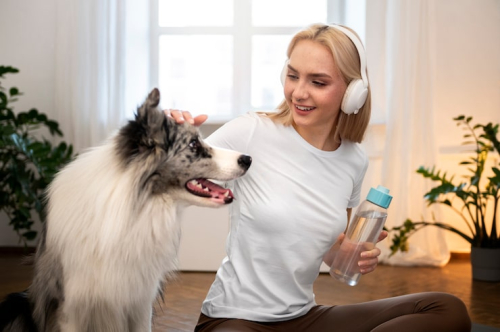
In the bustling neighborhoods of San Francisco Mission District, Potrero Hill, SoMa, Dogpatch, Bernal Heights, Castro District, and Noe Valley a new puppy can quickly transform a compact apartment into a scene of chaos. Chewed shoes, midnight zoomies, and overwhelmed owners are all too common. Many start with high hopes, only to watch basic commands fall apart amid city distractions. Yet a proven approach is quietly transforming these relationships, one reward at a time. Exploring positive reinforcement dog training reveals why this method delivers lasting results, grounded in decades of behavioral science and tailored for busy urban pet parents across California.
Your dog’s daily struggles pulling, mealtime anxiety, or reactivity don’t just cause stress, they chip away at the joy of being together. At Prime Paw, our positive reinforcement-based programs meet your dog where they are and build confidence, connection, and real skills. Our tailored programs in-person classes, coaching, and online resources help you enjoy calmer walks, relaxed routines, and a deeper connection. Ready for lasting change? Schedule a Prime Paw consultation today!
The Basics of Operant Conditioning: How Dogs Actually Learn
Operant conditioning is the scientific framework that explains how consequences shape behavior. Developed by psychologist B.F. Skinner in the mid-20th century, it demonstrates that animals including dogs repeat actions that produce favorable outcomes and avoid those that do not. Unlike classical conditioning, which links stimuli automatically, operant conditioning centers on voluntary behaviors and the immediate results that follow them.
At its core, the method rests on a simple truth: behavior is influenced by what happens right afterward. A dog sits on cue because sitting previously earned praise, a treat, or playtime. This principle powers modern training programs and clarifies why certain methods create eager learners while others foster fear or confusion especially important for city dogs navigating noisy streets and tight spaces from SoMa to Noe Valley.
The Four Quadrants of Operant Conditioning Explained
Operant conditioning breaks down into four clear categories, often visualized as a grid. Positive reinforcement adds something pleasant to increase a behavior such as offering a high-value treat the instant your puppy sits. Negative reinforcement removes something unpleasant to boost the same result, like easing leash pressure once the dog stops pulling.
On the flip side, positive punishment adds an aversive element to decrease behavior, like a sharp correction. Negative punishment removes a desirable element, such as turning away when the puppy jumps for attention. While all four can influence actions, research consistently shows the positive reinforcement quadrant builds stronger, longer-lasting results with far less fallout.
Why Positive Reinforcement Outshines Other Approaches
Positive reinforcement stands apart because it builds trust instead of eroding it. When a dog learns that good choices bring rewards, it becomes an active participant rather than a reluctant follower. Trainers using this method consistently report higher engagement, faster progress, and fewer relapses compared with punishment-based techniques.
The approach also aligns with how dogs naturally navigate their world. Puppies explore, test boundaries, and quickly learn what yields the best payoff. By stacking the deck in favor of calm, polite behavior, owners create a cycle of success that feels rewarding for everyone involved ideal for the energetic pups thriving in San Francisco’s vibrant communities.
The Neuroscience: Rewards That Rewire the Canine Brain
Inside every dog’s brain, positive reinforcement triggers a cascade of feel-good chemicals. When a reward follows a desired action, dopamine surges in the reward centers, reinforcing the neural pathway so the behavior becomes more automatic over time. This biological feedback loop explains why a puppy who earns praise for “leave it” will eventually offer the behavior unprompted.
Studies in comparative psychology confirm that reward-based training reduces stress hormones like cortisol, leading to calmer, more confident dogs. The result is not just obedience but genuine emotional resilience exactly what urban pups need when navigating noisy streets, crowded parks, and the daily rhythms of life in Bernal Heights or the Castro District.
From Science to Street Smarts: Practical Techniques That Work
Translating the science into daily life is surprisingly straightforward. Start with high-value rewards tailored to your individual dog perhaps a sliver of chicken for one pup, a quick game of tug for another. Timing is everything: mark the exact moment of good behavior with a clicker or verbal “yes,” then deliver the reward within a second.
Gradually fade the treats while keeping the praise and play, turning the behavior into a habit. Short, frequent sessions beat marathon efforts; five minutes several times a day keeps a puppy focused and prevents frustration. The beauty lies in its flexibility whether teaching loose-leash walking in Potrero Hill or polite greetings in the Castro District, the principles remain the same.
Addressing Common Concerns: Cost, Effectiveness, and Time
Many owners hesitate because training feels expensive, uncertain, or simply too demanding on already packed schedules. The reality is different. While professional programs require an upfront investment, they often prevent costlier problems down the road think fewer destroyed belongings or emergency vet visits for stress-related issues.
Effectiveness worries fade once owners see the science in action. Personalized programs that assess each puppy’s unique temperament deliver measurable progress within weeks, not months. As for time, structured group classes combine skill-building with socialization in a single supervised session, fitting neatly into evenings or weekends without dominating the calendar.
PrimePaw’s Method: Personalized Training Plus Safe Socialization
In San Francisco’s tight-knit communities from Bernal Heights to Dogpatch PrimePaw brings the science home. Their programs pair positive reinforcement with deep personalization, reading each puppy’s body language and tailoring exercises to its specific needs. Training and socialization happen together in one safe, supervised location, eliminating the stress of crowded public parks or mismatched playgroups.
Experienced trainers guide every step, ensuring owners leave with practical tools and a clear roadmap. The result is a confident puppy who thrives in city life and a stronger bond that lasts well beyond the puppy phase.
The Rising Focus on Pet Mental Well-Being
As more households welcome dogs into their lives, awareness of mental and emotional health has grown sharply. Recent market insights show the global pet anxiety solutions sector valued at $1.8 billion in 2024, underscoring how owners now prioritize behavioral support alongside physical care. Positive reinforcement training fits perfectly into this shift, offering a proactive way to nurture calm, happy companions ready for the unique demands of urban living.
Science-Backed Training for a Lifetime of Joy
Positive reinforcement isn’t a passing trend it is the logical outcome of understanding how dogs learn best. By leaning on operant conditioning’s proven principles, owners replace frustration with cooperation and chaos with connection. In neighborhoods across California, puppies are learning not just commands but confidence, resilience, and joy.
The science is clear. The methods are accessible. And for those ready to move beyond guesswork, expert guidance makes the journey smoother and faster. Your next walk around the block could be calmer, more connected, and genuinely fun if you choose the path rooted in what actually works.
Frequently Asked Questions
What is positive reinforcement dog training and how does it work?
Positive reinforcement dog training is a science-backed method rooted in operant conditioning the principle that dogs repeat behaviors that produce favorable outcomes. When a desired behavior (like sitting) is immediately followed by a reward such as a treat, praise, or playtime, the dog’s brain releases dopamine, reinforcing that neural pathway over time. This creates an eager, willing learner rather than a fearful or confused one, and research consistently shows it produces stronger, longer-lasting results than punishment-based techniques.
Is positive reinforcement dog training effective for puppies in busy urban environments?
Yes positive reinforcement is particularly well-suited for urban puppies navigating noisy streets, crowded parks, and city distractions. Studies in comparative psychology show that reward-based training reduces stress hormones like cortisol, building emotional resilience alongside obedience. Short, frequent sessions (five minutes several times a day) keep puppies focused, and the method’s flexibility means the same principles apply whether you’re teaching loose-leash walking or polite greetings in any busy city neighborhood.
How is operant conditioning different from other dog training methods?
Operant conditioning, developed by psychologist B.F. Skinner, focuses on voluntary behaviors and the immediate consequences that follow them unlike classical conditioning, which links automatic responses to stimuli. It encompasses four quadrants: positive reinforcement, negative reinforcement, positive punishment, and negative punishment. While all four can technically shape behavior, research strongly favors the positive reinforcement quadrant for building trust, faster progress, and fewer behavioral relapses, making it the gold standard recommended by modern trainers and animal behaviorists.
Disclaimer: The above helpful resources content contains personal opinions and experiences. The information provided is for general knowledge and does not constitute professional advice.
You may also be interested in: Veterinary Behaviorists Report Rising Cases of Separation Anxiety in Companion Dogs
Your dog’s daily struggles pulling, mealtime anxiety, or reactivity don’t just cause stress, they chip away at the joy of being together. At Prime Paw, our positive reinforcement-based programs meet your dog where they are and build confidence, connection, and real skills. Our tailored programs in-person classes, coaching, and online resources help you enjoy calmer walks, relaxed routines, and a deeper connection. Ready for lasting change? Schedule a Prime Paw consultation today!
Powered by flareAI.co