
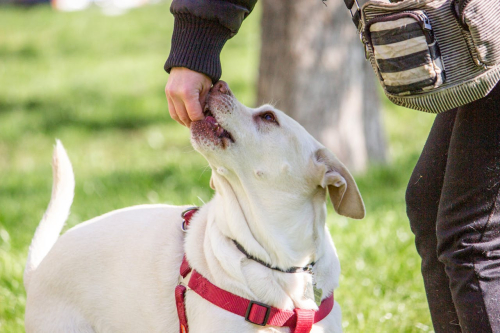
In the bustling streets of San Francisco’s Mission District, where sidewalk cafes spill onto the pavement and cool fog drifts in from the bay, a golden retriever named Luna pauses patiently at a crosswalk. Her owner offers a soft cue, and Luna holds steady not from pressure, but because she anticipates a reward. Scenes like this unfold daily from Noe Valley’s leafy blocks to the Richmond District, showing why positive reinforcement dog training delivers dependable results where traditional methods frequently stumble.
Your dog’s daily struggles pulling, mealtime anxiety, or reactivity don’t just cause stress, they chip away at the joy of being together. At Prime Paw, our positive reinforcement-based programs meet your dog where they are and build confidence, connection, and real skills. Our tailored programs in-person classes, coaching, and online resources help you enjoy calmer walks, relaxed routines, and a deeper connection. Ready for lasting change? Schedule a Prime Paw consultation today!
The Power of Positive Reinforcement
At its core, positive reinforcement rewards the behaviors you wish to encourage. Whether it’s a tasty treat, enthusiastic praise, a beloved toy, or the chance to play, the reward arrives right after the desired action. This approach stands in contrast to outdated dominance techniques that depend on force or intimidation. Instead, it fosters genuine trust and eager cooperation between dog and owner.
Dogs trained through positive methods don’t merely perform when supervised. They actively choose helpful behaviors because they’ve associated them with positive outcomes. This reliability proves invaluable when navigating crowded urban sidewalks, meeting other dogs in Dolores Park, or helping your pup remain settled during a home office call in a Potrero Hill flat.
Why Real-World Reliability Outshines Classroom Perfection
Many dog owners encounter the same frustrating gap. Their pet masters commands perfectly indoors yet struggles amid real-world distractions. Positive reinforcement closes this divide by conducting practice sessions in the very environments where the skills matter most.
Skilled trainers begin with brief exercises in calm settings before progressively introducing authentic challenges. A solid “stay” practiced beside a playground prepares a dog to ignore squirrels darting through Golden Gate Park. Everyday routines transform into continuous learning opportunities, building habits that endure beyond controlled training halls.
Practical Strategies Tailored to Urban Neighborhoods
Effective training starts with simplicity. In the lively Mission District, where pedestrians constantly stream by, loose-leash walking improves when you reward your dog for staying close rather than tugging toward intriguing scents. Begin with high-value treats and gradually shift toward occasional rewards paired with sincere praise as the behavior becomes natural.
Quieter residential streets in Noe Valley offer ideal spots to strengthen recall. Call your dog with genuine excitement from gradually greater distances, always following through with play or a handful of favorite treats. Success hinges on consistency and becoming more engaging than any passing distraction.
Apartment residents in the Richmond or Sunset districts benefit greatly from “place” training. Directing your dog to a designated mat or bed promotes calm during deliveries or visitor arrivals. Mark the exact instant all paws land on the mat, deliver the reward promptly, and watch the cue eventually trigger relaxation on its own.
Adapting Techniques to Individual Dogs and Breeds
Every dog responds differently to motivators. A spirited border collie cross may thrive on a lively tug session, while a relaxed Labrador might prefer food rewards. Taking time to discover what truly drives your dog eliminates guesswork and accelerates meaningful progress.
Working roles demonstrate the method’s strength particularly well. The expanding use of medical service dogs highlights how positive techniques create dependable assistants for individuals with disabilities. These specially trained companions master intricate tasks such as alerting to medical changes, offering physical support, or interrupting anxiety episodes because they link their responsibilities to rewarding experiences.
Addressing Common Misconceptions
Critics sometimes claim positive reinforcement feels too lenient for determined or strong-willed dogs. In practice, the method requires precise timing, clear signals, and thoughtful structure from the handler. It sets clear boundaries taught through patient guidance instead of fear or confrontation.
Another frequent misunderstanding suggests this style suits only basic tricks. Professional trainers apply it successfully across advanced applications, from assistance work to competitive sports. The secret involves breaking sophisticated behaviors into manageable steps and reinforcing each small success along the way.
Insights Across North American and European Cities
Principles proven in San Francisco’s hilly neighborhoods transfer effectively to other vibrant cities throughout the United States, Canada, and Europe. Busy pavements in Toronto, green spaces in London, and scenic trails near Vancouver present comparable tests: sudden distractions, confined areas, and the importance of courteous interactions with people and other animals.
Owners in these locations consistently observe stronger retention and reduced anxiety in reward-trained dogs. When setbacks occur, recovery happens more smoothly because training associations stay overwhelmingly positive. This adaptability makes the approach especially valuable for modern urban life across regions.
Seamlessly Integrating Training Into Everyday Routines
One of the greatest advantages of positive reinforcement lies in its flexibility. Lengthy formal sessions aren’t essential. Brief, purposeful interactions woven into your daily schedule while waiting for coffee in Hayes Valley, on evening strolls along the Embarcadero, or while preparing meals build exceptionally solid skills over time.
- Capture calm moments: Notice and reward your dog when they naturally settle down quietly instead of issuing constant commands.
- Incorporate life rewards: Opening the door for a walk becomes a natural payoff for polite sitting.
- Keep sessions enjoyable: Training should feel like a shared game that strengthens your bond rather than a tedious obligation.
Evaluating Success Through Real-Life Indicators
True progress reveals itself in everyday moments rather than flawless competition routines. Your dog glances back at you amid tempting distractions. They bounce back quickly from surprises. Visitors remark on your pup’s polite demeanor without requiring constant intervention.
These practical victories carry far more weight than textbook-perfect heeling in an empty training space. They translate into safer adventures together, lower household stress, and a deeper connection grounded in mutual respect and understanding.
The Growing Role of Professional Support and Service Applications
As more families recognize the value of skilled guidance, professional dog training services continue gaining appreciation for enhancing behavior, obedience, and social skills. Positive methods stand at the forefront of this shift, helping create well-adjusted companions that thrive in diverse living situations.
In the realm of medical service dogs, positive reinforcement proves particularly effective. These remarkable animals receive training to support people facing physical, sensory, or mental health challenges. By associating complex assistance tasks with positive outcomes, dogs develop reliable, enthusiastic partnerships that meaningfully improve quality of life for their handlers.
Building Enduring Trust and Partnership
Positive reinforcement represents far more than a temporary fashion in dog training. It offers a practical, well-supported framework that honors dogs as intelligent collaborators. By emphasizing and rewarding desired actions, owners nurture confident, content animals equipped to navigate our busy human environments with ease.
Whether exploring San Francisco’s steep streets, hiking trails in British Columbia, strolling through European city parks, or managing daily life in any bustling North American or European community, the fundamentals remain consistent. Celebrate good decisions. Maintain steady expectations. Exercise patience. The outcome is a dog that doesn’t simply follow orders but actively enjoys collaborating with you.
This rewarding partnership, cultivated through countless positive moments, creates the foundation for a harmonious relationship that enriches daily life for years to come. Dog owners who embrace these techniques often discover that the journey strengthens not only their pet’s skills but their own communication abilities and mutual bond as well.
Frequently Asked Questions
What is positive reinforcement dog training and how does it work?
Positive reinforcement dog training rewards desired behaviors immediately after they occur, using treats, praise, toys, or play to encourage repetition. Unlike dominance-based methods that rely on force or intimidation, this approach builds genuine trust and eager cooperation between dog and owner. Dogs trained this way don’t just perform when supervised they actively choose helpful behaviors because they associate them with positive outcomes.
Why does my dog behave well at home but struggles with commands in public?
This common gap happens because many dogs are trained only in calm, controlled environments rather than real-world settings. Positive reinforcement training addresses this by practicing skills progressively in the actual environments where they matter most busy sidewalks, parks, and urban neighborhoods. Starting with low-distraction settings and gradually introducing authentic challenges builds reliable habits that hold up far beyond the training hall.
Is positive reinforcement dog training effective for strong-willed or difficult dogs?
Yes positive reinforcement is highly effective for all dog breeds and temperaments, including determined or strong-willed dogs. The method demands precise timing, clear signals, and thoughtful structure from the handler, setting firm boundaries through patient guidance rather than fear or confrontation. It has even been proven in high-stakes applications like medical service dog training, where dogs master complex, multi-step tasks by associating their responsibilities with rewarding experiences.
Disclaimer: The above helpful resources content contains personal opinions and experiences. The information provided is for general knowledge and does not constitute professional advice.
You may also be interested in: Force Free vs Balanced Training: Which is Right for Your Dog?
Your dog’s daily struggles pulling, mealtime anxiety, or reactivity don’t just cause stress, they chip away at the joy of being together. At Prime Paw, our positive reinforcement-based programs meet your dog where they are and build confidence, connection, and real skills. Our tailored programs in-person classes, coaching, and online resources help you enjoy calmer walks, relaxed routines, and a deeper connection. Ready for lasting change? Schedule a Prime Paw consultation today!
Powered by flareAI.co