
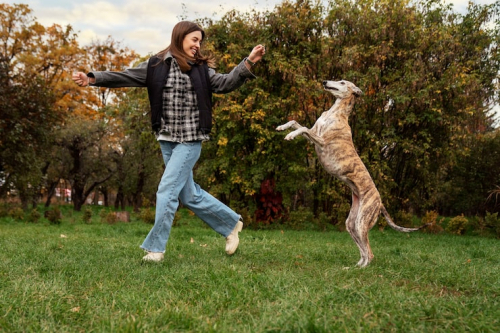
Few things match the pure joy of welcoming a new puppy home those boundless leaps of excitement, the instant affection, the way tiny paws seem to declare you the most important person in the world. Yet that same exuberance frequently translates into an unwelcome habit: jumping up on people. The behavior frustrates visitors, risks scratched legs, and can become harder to correct as the dog grows larger. Fortunately, modern, science-backed training favors gentle, reward-based techniques that preserve trust while producing reliable results. These positive methods transform a common puppy challenge into a chance to deepen the bond between dog and owner.
Your dog’s daily struggles pulling, mealtime anxiety, or reactivity don’t just cause stress, they chip away at the joy of being together. At Prime Paw, our positive reinforcement-based programs meet your dog where they are and build confidence, connection, and real skills. Our tailored programs in-person classes, coaching, and online resources help you enjoy calmer walks, relaxed routines, and a deeper connection. Ready for lasting change? Schedule a Prime Paw consultation today!
Understanding the Instinct Behind Jumping
Puppies jump for reasons rooted in their ancestry and social nature. In wild canid packs, face-to-face greeting is normal; young animals leap toward the muzzle to solicit attention, food, or reassurance from adults. Domestic living rooms trigger the same impulse. When you walk through the door after a long day, your puppy sees an opportunity to reconnect and express delight. The behavior is rarely about dominance more often it signals eagerness, playfulness, or a simple request for interaction. Recognizing this natural motivation allows owners to respond with empathy rather than annoyance, setting the stage for more effective teaching.
Why Positive Reinforcement Outperforms Punishment
Harsh corrections yelling, pushing away, or kneeing the chest may interrupt jumping temporarily, but they carry hidden costs. Such responses can erode confidence, increase anxiety, and sometimes provoke defensive snapping. In contrast, positive reinforcement identifies and rewards the alternative behavior you prefer. Each time the puppy keeps four paws on the floor, you mark that choice with praise, a treat, or a quick game. Over repeated pairings the puppy learns that calm manners unlock the social rewards they crave most. Decades of behavioral research and countless successful pet owners confirm that kindness accelerates learning while strengthening the human-canine partnership.
Practical Training Steps You Can Start Today
Effective change begins with management and timing. When your puppy jumps, immediately turn your back, fold your arms, and become boring no eye contact, no speech, no touch. The instant those front paws touch the ground, pivot toward the puppy, offer enthusiastic verbal praise (“Yes! Good!”), and deliver a small, high-value treat. Consistency is everything; every family member and frequent visitor must follow the same protocol.
Once the puppy reliably offers a brief “four on the floor” pause, layer in a formal cue. Teach a solid sit in calm settings first, using lures and rewards until the behavior is fluent. Then, as you approach the door or a guest rings the bell, ask for the sit before the puppy has a chance to leap. Reward heavily for success. Within a few weeks most puppies begin defaulting to a seated greeting because they have learned it reliably produces attention faster than jumping ever did.
Adding the “Off” Cue for Extra Clarity
Many trainers also introduce a polite “off” or “down” verbal signal. Deliver the cue in a calm, matter-of-fact tone while stepping backward to create space. The moment the puppy disengages and returns to the floor, reward lavishly. Avoid physical manipulation; pushing or lifting only escalates arousal. Keep training sessions brief three to five minutes and end on a successful note so the puppy remains motivated.
Household Unity: The Secret to Rapid Progress
Inconsistent rules sabotage even the brightest dogs. If one person ignores jumping while another laughs and pets, the puppy receives conflicting information and the behavior persists. Hold a brief household meeting to align everyone on the plan: no petting, talking to, or looking at a jumping puppy; instant reward for calm paws. Posting a simple reminder list on the refrigerator helps guests participate correctly. When the entire social circle enforces the same expectations, puppies generalize the lesson quickly and the home atmosphere improves noticeably.
Exercise and Enrichment as Training Allies
Energy management plays an outsized role in reducing unwanted jumping. A puppy with pent-up physical and mental energy is far more likely to express it through leaping. Structured daily exercise brisk walks, supervised play sessions, flirt-pole games tires the body, while puzzle toys, scent games, and short obedience drills satisfy the mind. Owners who add fifteen minutes of brain work before visitors arrive often report that their once-hyper puppy now greets people with a wagging tail and stationary feet. Tired puppies are trainable puppies.
Knowing When to Call in Expert Help
Home-based positive techniques resolve jumping for the vast majority of puppies. Occasionally, however, the behavior persists or appears tied to underlying fear, overstimulation, or medical discomfort. If consistent effort yields little improvement after several weeks, or if jumping escalates into mouthing or frantic energy, consult a certified professional ideally one who uses force-free, reward-based methods. Early guidance prevents the habit from solidifying and protects the puppy’s emotional well-being.
Long-Term Value of Polite Manners
A dog that greets people calmly unlocks opportunities far beyond polite home life. Well-mannered companions frequently qualify for roles in pet-assisted therapy, visiting hospitals, schools, retirement communities, and libraries where their calm presence provides comfort. The same gentle, consistent training principles that eliminate jumping also build the focus, confidence, and emotional stability required for these meaningful contributions. Owners who invest time in early manners training often discover that their once-boisterous puppy grows into a poised, versatile partner capable of enriching many lives.
Avoiding the Most Frequent Owner Mistakes
- Reinforcing the jump accidentally: Laughter, eye contact, or playful pushing feels like attention to the puppy and strengthens the habit.
- Inconsistent exceptions: Allowing “just this once” because the dog looks adorable teaches the puppy that persistence eventually pays off.
- Unrealistic expectations: Puppies are not robots; progress arrives in small, uneven steps. Celebrate incremental gains rather than demanding perfection overnight.
- Neglecting management: Failing to prevent rehearsal of the unwanted behavior (leash the puppy during greetings until the new habit is strong) slows learning.
Closing Thoughts: Kindness That Lasts a Lifetime
Teaching a puppy to greet without jumping requires no harsh words, no physical force, and no complicated equipment just patience, timing, and an unwavering commitment to rewarding what you want to see more of. The process may feel slow at first, yet each quiet, four-on-the-floor hello reinforces the message that calm connection feels better than chaotic leaping. Months from now, when friends comment on your dog’s impeccable manners and your puppy rests contentedly at your feet during gatherings, the effort will feel trivial compared to the reward. Choose understanding over frustration, consistency over shortcuts, and positive guidance over punishment. The well-mannered companion waiting on the other side of training is worth every patient moment.
Frequently Asked Questions
What is the most effective positive reinforcement method to stop a puppy from jumping?
The most effective technique is to immediately turn your back, fold your arms, and withdraw all attention the moment your puppy jumps no eye contact, speech, or touch. The instant all four paws return to the floor, pivot back and reward with enthusiastic praise and a high-value treat. Once your puppy reliably offers this “four on the floor” pause, layer in a formal “sit” cue before greetings so they learn that calm manners earn attention faster than jumping ever will.
Why does my puppy keep jumping up on people, and is it a dominance issue?
Puppy jumping is rarely about dominance it’s a natural social behavior rooted in canine instinct. In wild canid packs, young animals leap toward adult’s muzzles to solicit attention, food, or reassurance, and domestic puppies carry the same impulse. When your puppy jumps, they’re simply expressing excitement and a desire to reconnect, which means responding with empathy and redirection is far more effective than punishment.
How long does it take to train a puppy to stop jumping, and when should I seek professional help?
With consistent positive reinforcement and household-wide rule enforcement, most puppies begin defaulting to calm greetings within a few weeks of training. Progress depends heavily on consistency every family member and visitor must follow the same protocol, since mixed messages significantly slow learning. If jumping persists after several weeks of dedicated effort, or escalates into mouthing or frantic behavior, it’s worth consulting a certified, force-free trainer to rule out underlying anxiety or overstimulation.
Disclaimer: The above helpful resources content contains personal opinions and experiences. The information provided is for general knowledge and does not constitute professional advice.
You may also be interested in: PrimePaw Homepage – Prime Paw
Your dog’s daily struggles pulling, mealtime anxiety, or reactivity don’t just cause stress, they chip away at the joy of being together. At Prime Paw, our positive reinforcement-based programs meet your dog where they are and build confidence, connection, and real skills. Our tailored programs in-person classes, coaching, and online resources help you enjoy calmer walks, relaxed routines, and a deeper connection. Ready for lasting change? Schedule a Prime Paw consultation today!
Powered by flareAI.co