
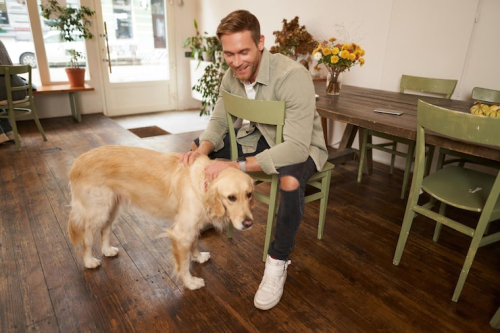
Welcoming a new puppy into your home remains one of the most heartwarming experiences imaginable. Those wide eyes, playful tumbles, and instant affection create an immediate bond. For first-time owners, however, the initial delight often collides with unexpected challenges: surprise chewing sessions, nighttime whining, or the inevitable house-training accidents. Fortunately, puppies possess remarkable learning ability during their first months. Thoughtful, consistent guidance transforms early chaos into a confident, well-mannered companion. The following practical advice helps new owners navigate puppy behavior successfully and build a lasting, harmonious relationship.
Your dog’s daily struggles pulling, mealtime anxiety, or reactivity don’t just cause stress, they chip away at the joy of being together. At Prime Paw, our positive reinforcement-based programs meet your dog where they are and build confidence, connection, and real skills. Our tailored programs in-person classes, coaching, and online resources help you enjoy calmer walks, relaxed routines, and a deeper connection. Ready for lasting change? Schedule a Prime Paw consultation today!
Understanding the Critical Early Learning Window
Between roughly eight and sixteen weeks of age, puppies undergo an extraordinary period of brain development. During these weeks they form core associations about the world, people, routines, and acceptable behavior far more rapidly than at any later stage. Patterns established now whether positive or problematic become deeply ingrained and much harder to modify after about four months.
Investing focused effort during this formative phase prevents countless future headaches. Owners who provide clear structure, gentle leadership, and abundant positive reinforcement typically enjoy calmer households, safer outings, and stronger mutual trust. Training at this age should feel like patient teaching rather than strict discipline; your puppy genuinely wants to understand what pleases you.
Establishing Reliable House Training Quickly
House training consistently ranks as the number-one concern among new puppy owners, yet it follows predictable principles that produce results when applied diligently. Create a strict yet realistic schedule: take your puppy out immediately upon waking, after every meal, following play sessions or naps, and right before bedtime. Most young puppies need outings every one to two hours during the day at first.
Select one outdoor location and use the same cue phrase each time (“go potty,” for example). The instant elimination occurs outdoors, offer warm, enthusiastic praise and a small, high-value treat delivered within one or two seconds. Indoor accidents require no scolding simply interrupt gently if you catch the puppy in the act, then carry them outside to finish. Clean soiled areas thoroughly with an enzymatic cleaner to eliminate lingering odors that invite repeat incidents.
Crate training remains one of the most effective accelerators when introduced positively. Select a crate sized so the puppy can stand, turn around, and lie down comfortably no larger. Use the crate for short periods when supervision isn’t possible, always pairing it with treats, toys, and calm comings and goings. Within weeks the majority of puppies begin signaling clearly when they need to go outside, turning a major stressor into routine cooperation.
Building a Foundation with Core Commands
Mastering a handful of essential cues early creates safety nets for everyday life and prevents many unwanted behaviors. Prioritize these five commands and practice them in brief, upbeat sessions multiple times daily:
- Sit: Lure the puppy’s nose upward with a treat until the hindquarters naturally lower, then immediately mark the behavior (“yes!” or click) and reward.
- Stay: Begin with one or two seconds at close range, rewarding calm focus, then slowly build duration, distance, and mild distractions.
- Come (or recall): Use an excited, happy tone, start at short distances in low-distraction settings, and always reward generously with treats or play upon arrival.
- Leave it: Teach the puppy to ignore tempting items (food on the floor, interesting trash) by offering a superior reward for turning attention back to you.
- Heel or loose-leash walking: Reward the puppy for staying near your side without pulling, gradually increasing duration as focus improves.
End every session on a successful note. Ensure all household members use identical wording and hand signals to eliminate confusion.
Prioritizing Positive Socialization Experiences
The same developmental window that makes early training so effective also represents the prime period for socialization. Controlled, positive exposure to people of different ages, appearances, and ethnicities, as well as various sounds, surfaces, handling, and calm canine companions dramatically reduces fear-based reactivity later in life.
Enroll in a well-run puppy socialization class where play occurs under close supervision with age- and size-appropriate playmates. Arrange short, successful outings to pet-friendly locations outdoor cafés, quiet parks, friend’s homes always pairing novel experiences with treats and calm encouragement. The objective remains curiosity and comfort, never overwhelming the puppy. A properly socialized dog greets new people and dogs with relaxed interest rather than alarm or defensiveness.
Managing Typical Puppy Behaviors Effectively
Chewing furniture, jumping on guests, and play-biting represent normal developmental behaviors rather than deliberate naughtiness. Redirect chewing to durable, engaging toys; keep several options available and rotate them to sustain interest. For extra teething relief, freeze rubber toys stuffed with wet kibble or plain yogurt.
Teach polite greetings by turning away and withholding attention until all four paws remain on the floor, then reward calmness with calm petting. For mouthing during play, immediately offer a toy substitute or briefly pause interaction so the puppy learns that gentle contact continues the fun while teeth end it. Doorway barking improves rapidly when you rehearse calm entries and exits while rewarding quiet behavior. In every case the principle remains identical: interrupt or prevent the undesired action, then immediately reward the compatible alternative.
Knowing When Professional Guidance Adds Value
Many puppies progress beautifully with home training, yet others benefit significantly from expert intervention. Professional trainers help decode persistent challenges, refine timing and technique, and introduce advanced methods such as marker (clicker) training. Group classes provide valuable socialization alongside basic obedience, while private sessions allow customized focus on individual concerns.
Positive-reinforcement-based professionals who prioritize reward over punishment produce the most reliable, long-lasting results. Their experience frequently prevents minor issues from escalating into serious problems and accelerates overall progress. Many first-time owners discover that even a few targeted sessions dramatically improve confidence and outcomes.
Fostering an Effective Home Training Atmosphere
Your emotional state directly influences your puppy’s learning. Maintain an upbeat, patient demeanor even during setbacks. Speak in a cheerful tone, celebrate small victories generously, and avoid frustration that can confuse or intimidate a young dog. Keep training treats tiny yet irresistible slivers of chicken, cheese, or soft commercial rewards work best.
Designate a low-distraction area for initial sessions, then gradually incorporate real-world elements. Hold brief family meetings to align on cues, rules, and expectations so the puppy receives consistent messages from everyone. When children participate, teach them to wait for a sit before offering affection and to use the same commands adults employ. Uniformity accelerates comprehension and reduces stress for the entire household.
Enjoying the Lasting Rewards of Early Effort
Puppies raised with kindness, clarity, and structure mature into dependable, enjoyable companions. Daily walks feel peaceful rather than stressful. Visitors receive courteous greetings instead of chaotic jumps. Veterinary appointments and travel proceed smoothly. Above all, the relationship evolves into a genuine partnership grounded in mutual respect and deep trust.
The weeks and months invested now yield benefits that last a decade or longer. That energetic, sometimes exasperating puppy gradually becomes a calm, attentive adult who still turns to you for direction and reassurance. Few investments in life deliver such consistent joy and companionship. Begin with one clear routine or single command today. Each small success compounds, carrying you and your puppy toward a future filled with shared adventures and quiet contentment.
Frequently Asked Questions
When should I start training my puppy for the best results?
The ideal time to begin puppy training is between 8 and 16 weeks of age, during a critical window of brain development when puppies form core associations far more quickly than at any later stage. Patterns established during this period become deeply ingrained, making early, consistent guidance essential. Starting with basic commands like sit, stay, and come paired with positive reinforcement sets the foundation for a well-mannered adult dog.
What are the most effective puppy house training tips for first-time owners?
Successful house training relies on a strict schedule: take your puppy out immediately after waking, after meals, after play, and before bedtime roughly every one to two hours during the day. Always reward elimination outdoors with enthusiastic praise and a high-value treat within one to two seconds. Crate training, when introduced positively with treats and calm routines, is one of the most effective tools to accelerate the process and reduce accidents indoors.
How do I stop my puppy from biting, jumping, and chewing everything?
These behaviors are normal developmental stages, not deliberate misbehavior, and can be managed through consistent redirection. For chewing, offer durable rotating toys and freeze-stuffed rubber toys for teething relief. To curb jumping, withhold attention until all four paws are on the floor, then reward calmness; for mouthing during play, pause interaction immediately so the puppy learns that gentle contact keeps the game going while biting ends it.
Disclaimer: The above helpful resources content contains personal opinions and experiences. The information provided is for general knowledge and does not constitute professional advice.
You may also be interested in: PrimePaw Homepage – Prime Paw
Your dog’s daily struggles pulling, mealtime anxiety, or reactivity don’t just cause stress, they chip away at the joy of being together. At Prime Paw, our positive reinforcement-based programs meet your dog where they are and build confidence, connection, and real skills. Our tailored programs in-person classes, coaching, and online resources help you enjoy calmer walks, relaxed routines, and a deeper connection. Ready for lasting change? Schedule a Prime Paw consultation today!
Powered by flareAI.co