
Quick Listen:
Picture your young puppy locking eyes on a squirrel darting across an open field, every instinct urging a full-speed chase. Your heart races as you call out once clear, warm, and confident. In that instant, your dog spins around and bounds back to you, eyes sparkling with delight. This moment captures the power of a rock-solid recall. It grants your puppy the joy of exploration while giving you the assurance of safety. In Puppy Recall Training Tips, discover practical, step-by-step strategies to build a reliable come command that lasts a lifetime.
Your dog’s daily struggles pulling, mealtime anxiety, or reactivity don’t just cause stress, they chip away at the joy of being together. At Prime Paw, our positive reinforcement-based programs meet your dog where they are and build confidence, connection, and real skills. Our tailored programs in-person classes, coaching, and online resources help you enjoy calmer walks, relaxed routines, and a deeper connection. Ready for lasting change? Schedule a Prime Paw consultation today!
Why Reliable Recall Training Matters
Puppies navigate a whirlwind of scents, sounds, and sights that can easily override their attention. Without a dependable response to “come,” even attentive owners live with lingering worry during walks, park visits, or backyard romps. A strong recall prevents risky encounters from bolting toward traffic to approaching unknown animals or vanishing into busy areas. Beyond safety, it fosters a deeper connection, transforming routine outings into relaxed, shared experiences.
More families recognize this value today. The global pet training services market reached significant scale years ago, driven by owners seeking guidance that boosts confidence, strengthens bonds, reduces unwanted behaviors, and enhances overall sociability and safety for their pets. Many also appreciate how training equips dogs for meaningful roles, from assisting those with mobility challenges to supporting various working tasks. The result is greater freedom for both dog and owner, with fewer incidents and more enjoyable adventures together.
Setting the Stage for Effective Training
Success begins with thoughtful preparation. Select rewards your puppy finds irresistible small bits of chicken, cheese, or a special toy reserved only for recall sessions. Use the same upbeat tone and the exact word “come” every time; its brevity and clarity help young ears tune in quickly.
Equip yourself with a long training line, typically 20 to 30 feet, allowing room to roam while maintaining gentle control. Keep sessions brief five to ten minutes and repeat them multiple times daily. Puppies thrive on short bursts of focused fun, and always finishing on a high note builds eagerness for the next practice. Crucially, reserve the command for positive outcomes. When “come” consistently leads to play, praise, or mealtime, your dog learns to sprint toward you with enthusiasm rather than hesitation.
Step 1: Establishing the Basics Indoors
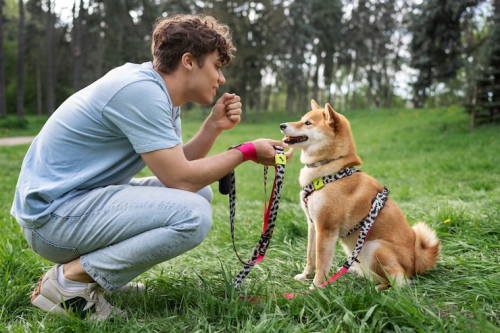
Begin in a low-distraction environment such as your living room or hallway. With your puppy on a short leash, take a few steps back, wiggle a treat enticingly, and deliver the command in an inviting voice. The moment your pup moves in your direction, shower with enthusiastic praise and deliver the reward immediately. Practice this sequence repeatedly, slowly extending the distance.
Once responses feel consistent, remove the leash for indoor off-leash trials. Introduce subtle motion by calling while stepping sideways or lowering yourself to the puppy’s level. The objective is simple yet powerful: make returning to you the most rewarding event of the day. Should your pup pause, resist the urge to repeat the command or give chase. Instead, pat your leg or clap cheerfully to spark interest. Each successful return builds lasting momentum.
Step 2: Transitioning Outdoors and Increasing Challenges
With solid indoor performance, move to a secure outdoor space like a fenced yard or quiet park. Attach the long line and permit exploration. Wait for a mild distraction perhaps sniffing intently or watching a passing bird then issue the recall. A prompt response earns a generous reward and perhaps a brief game of tug. If attention wanders, calmly guide the line in while maintaining an encouraging tone, avoiding any harsh correction.
Gradually introduce busier settings, starting with open fields and progressing to parks with light foot traffic. Extend distances thoughtfully. Puppies master skills through steady repetition, so target many positive recalls each week before considering true off-leash liberty. Conclude every session while your dog remains engaged and successful to preserve motivation.
Avoiding Common Pitfalls in Recall Training
Well-intentioned owners sometimes undermine progress without realizing it. Repeating the command rapidly when there is no response teaches that “come” is negotiable. Stay quiet instead and focus on becoming irresistibly appealing.
- Never summon your puppy solely to end enjoyable play or attach the leash for heading home, as this quickly links the word to disappointment.
- Refrain from scolding upon arrival, even if the response was slow; punishment erodes trust and creates confusion.
- Avoid limiting practice to moments when control is urgently needed. Casual, joyful recalls scattered throughout the day reinforce the habit far more effectively.
Another frequent misstep involves unrealistic timelines. An eight-week-old puppy naturally lacks the concentration of a six-month-old. Matching expectations to age and celebrating incremental gains keeps training frustration-free for everyone involved.
Advanced Methods for Lasting Reliability
After mastering fundamentals, introduce controlled challenges. Call your puppy while a family member engages a toy nearby or while you position yourself partially out of sight. Try the two-person recall game: alternate who issues the command and rewards the return, helping your dog associate the cue with fun regardless of the caller.
Experiment with varied rewards treats one time, a favorite toy the next, or simply warm praise and affection. This unpredictability heightens anticipation. Weave the command into daily life: before meals, prior to opening doors for walks, or when greeting other dogs. The more naturally “come” fits into routines, the more instinctive the response becomes.
For puppies ready for greater freedom, continue long-line work in progressively distracting locations. Should focus drift, reel in calmly while staying positive. The underlying message remains consistent: responding brings rewards, while ignoring simply yields less engaging results.
Integrating Recall into Real-World Adventures
Training evolves beyond formal sessions once your puppy achieves strong reliability. Incorporate the command during hikes, beach outings, and neighborhood explorations. Allow sniffing and discovery, then call at unexpected moments for a quick reward before releasing again with an upbeat “okay.” This rhythm teaches that returning to you preserves rather than ends freedom.
If progress stalls, consider structured group classes or guidance from experienced professionals. Growing interest in personalized pet services highlights how expert input can identify nuances in timing, body language, or motivation that owners might overlook, accelerating results while deepening understanding.
The True Value: Safety, Freedom, and Stronger Bonds
A dependable recall transcends basic obedience. It offers your puppy rich experiences of the world while keeping dangers at bay. Dogs who respond reliably relish off-leash parks, woodland trails, and impromptu play without constant supervision. Owners enjoy greater peace of mind, confident their companion will return even amid tempting distractions.
Over months, this skill enriches the human-canine relationship in profound ways. Your puppy comes to see you as the reliable source of good things, while you learn to trust your dog’s judgment. The outcome is a poised, joyful companion and an owner who can fully savor each shared moment.
Final Thoughts on Building a Lifelong Skill
Developing a reliable come command demands time, patience, and steady practice, yet the returns appear daily throughout your dog’s life. Begin modestly, applaud every victory, and accept that improvement often follows an uneven path. Some days flow effortlessly; others require renewed commitment. Persistence rewards you with a responsive partner eager for life’s next chapter.
These approaches suit most breeds and developmental stages, though each puppy brings a unique temperament. Tailor pace and incentives accordingly. Should obstacles remain, professional assistance stands readily available and continues to gain traction among dedicated owners. Ultimately, a trustworthy recall delivers the finest present possible: the opportunity for your dog to live fully as a dog curious, liberated, and secure.
Frequently Asked Questions
How do I start teaching my puppy the “come” command?
Begin indoors in a low-distraction space like a living room or hallway. With your puppy on a short leash, step back, wiggle a treat, and say “come” in a warm, inviting tone rewarding immediately when your pup moves toward you. Once responses are consistent, progress to off-leash indoor practice before moving outdoors with a 20–30 foot long training line.
How long does it take to train a puppy to have a reliable recall?
Recall reliability builds gradually and depends on your puppy’s age, temperament, and consistency of practice. Younger puppies (around 8 weeks) naturally have shorter attention spans than older ones, so matching expectations to their developmental stage is key. Keeping sessions short (5–10 minutes), repeating them multiple times daily, and celebrating every small win will steadily build a dependable response over weeks and months.
What are the most common mistakes to avoid during puppy recall training?
The biggest pitfall is repeating the “come” command multiple times when your puppy doesn’t respond this teaches them the cue is optional. You should also never call your puppy only to end fun activities or scold them upon arrival, as both create negative associations with the word. Instead, make every recall a rewarding, positive experience by pairing it with treats, praise, or play throughout daily life.
Disclaimer: The above helpful resources content contains personal opinions and experiences. The information provided is for general knowledge and does not constitute professional advice.
You may also be interested in: Behavioral Experts Advise on Helping Dogs Cope With Fireworks and Thunderstorms
Your dog’s daily struggles pulling, mealtime anxiety, or reactivity don’t just cause stress, they chip away at the joy of being together. At Prime Paw, our positive reinforcement-based programs meet your dog where they are and build confidence, connection, and real skills. Our tailored programs in-person classes, coaching, and online resources help you enjoy calmer walks, relaxed routines, and a deeper connection. Ready for lasting change? Schedule a Prime Paw consultation today!
Powered by flareAI.co