
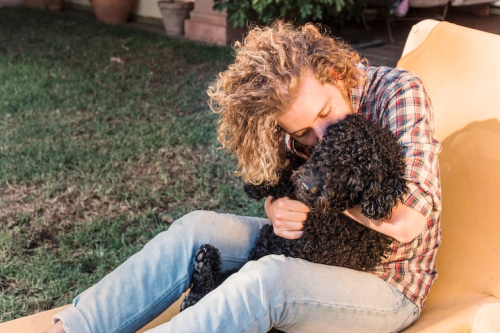
Welcoming a puppy into a bustling San Francisco neighborhood from the vibrant streets of the Mission District to the quiet charm of Noe Valley can be an exciting yet demanding experience. Puppies are naturally curious, energetic, and highly impressionable. How they encounter humans, other dogs, and the urban environment during their early weeks can influence their lifelong behavior. This makes a carefully structured puppy socialization checklist a crucial tool for raising a confident, well-adjusted dog in the city.
Your dog’s daily struggles pulling, mealtime anxiety, or reactivity don’t just cause stress, they chip away at the joy of being together. At Prime Paw, our positive reinforcement-based programs meet your dog where they are and build confidence, connection, and real skills. Our tailored programs in-person classes, coaching, and online resources help you enjoy calmer walks, relaxed routines, and a deeper connection. Ready for lasting change? Schedule a Prime Paw consultation today!
The Importance of Early Socialization
Urban life presents unique challenges for puppies. Traffic, streetcars, crowded cafes, and apartment living are everyday realities in neighborhoods like Potrero Hill and Dogpatch. Without proper socialization, these experiences can become stressors, leading to fear-based behaviors or aggression. Data from San Francisco Animal Care & Control (SFACC) indicate that many behavioral issues in adopted puppies stem from insufficient exposure during the key developmental window of three to 14 weeks.
By gradually introducing your puppy to city sounds, busy sidewalks, and varied human interactions, you help them develop resilience. Early exposure enables them to confidently navigate urban parks, dog-friendly cafes, and community events across San Francisco.
Understanding Developmental Milestones
Puppies experience rapid growth and learning in their first months. Research from the UC Davis School of Veterinary Medicine emphasizes that early socialization including exposure to people, other dogs, and new environments is critical in shaping long-term behavior. Puppies are highly receptive to new experiences during this window; delays in socialization can lead to anxiety or fear responses that are difficult to reverse.
Neighborhood-specific factors matter. In the Castro District, lively street festivals present different sensory experiences than the quieter paths of Bernal Heights. Structured exposure to these local settings helps puppies adjust to diverse environments and develop calm, confident behavior.
Designing a Neighborhood-Focused Socialization Plan
A strategic socialization routine ensures your puppy develops essential skills while safely exploring their surroundings. Here’s how to structure a checklist tailored to San Francisco:
Human Interaction
Introduce your puppy to a variety of people gradually. Short visits from neighbors, interactions at local parks, or attending community events in the Mission District can teach puppies to remain comfortable around unfamiliar faces. SFACC outreach programs often provide safe, structured opportunities for early human exposure.
Canine Socialization
Playdates with vaccinated, friendly dogs are invaluable. Parks such as Mission Dolores and off-leash areas in Bernal Heights offer controlled environments where puppies can learn bite inhibition, social cues, and cooperative play. Positive peer interactions build confidence and social competence.
Environmental Exposure
Urban living exposes puppies to varied stimuli. Introducing your puppy to the sights and sounds of BART stations in SoMa, street festivals in the Castro District, or weekend markets in Dogpatch can reduce fear responses and foster adaptability.
Handling and Grooming
Early handling is crucial for reducing stress during grooming and veterinary care. Brushing, gentle ear cleaning, and nail trimming should start at home and be reinforced during veterinary visits, such as those offered by UC Davis Veterinary Hospital in San Francisco. Familiarity with these routines improves long-term health and wellbeing.
Noise Desensitization
City sounds from traffic and streetcars in Noe Valley to construction in Potrero Hill can be overwhelming for puppies. Gradual, controlled exposure to these noises, paired with positive reinforcement, helps them remain calm and resilient in urban environments.
Emerging Trends in Urban Puppy Training
San Francisco has seen growth in professional puppy classes and urban socialization programs. Neighborhoods like Dogpatch and SoMa report increased participation in structured socialization classes, while Meetup groups in Bernal Heights and Noe Valley provide additional local opportunities for interaction. Urban-focused programs, including pet-friendly coworking spaces, allow puppies to experience varied environments alongside their owners, reinforcing adaptability.
Real-World Applications and Local Success Stories
Mission District owners attending SFACC workshops often report significant improvements in multi-dog households. Potrero Hill programs have helped puppies navigate busy streets with reduced anxiety. Local community initiatives in Castro District and Dogpatch, such as organized puppy playgroups, demonstrate how neighborhood engagement makes socialization both practical and enjoyable.
Addressing Urban Challenges
- Limited space: Apartments in SoMa and the Mission District constrain safe indoor play areas.
- Urban stressors: Heavy traffic, ongoing construction, and dense pedestrian activity can overwhelm unprepared puppies.
- Access disparities: Fewer dog parks in Noe Valley compared to Bernal Heights may restrict outdoor socialization opportunities.
- Local regulations: Adherence to municipal leash laws is essential for safety.
Benefits of Effective Socialization
Structured socialization offers measurable advantages. Puppies exposed to a variety of experiences tend to be less fearful and aggressive. Adoption outcomes improve, and returns to shelters decrease, as confirmed by SFACC. Participation in local dog events strengthens community ties and enhances owner satisfaction.
Professional training also complements early socialization. The pet training services industry has grown to support owners seeking structured guidance, helping boost confidence, sociability, and safety for pets. For San Francisco dog owners, this emphasizes the value of early engagement with trained professionals.
Expert Guidance for Urban Puppy Owners
Veterinary behaviorists from UC Davis and trainers at SFACC recommend consistent routines tailored to local conditions. Combining human interaction, canine playdates, environmental exposure, handling, and noise desensitization forms a strong behavioral foundation. Looking ahead, neighborhood-focused enrichment programs and tech-based training tools may further enhance urban puppy development.
Raising a puppy in San Francisco’s dynamic urban environment demands thoughtful planning and active engagement with local resources. Following a neighborhood-focused socialization checklist helps your puppy grow into a confident, well-adjusted companion, ready to explore parks, cafes, and community spaces. Early socialization is not just a step in puppy care it’s a commitment to lifelong behavioral health and responsible city dog ownership.
Frequently Asked Questions
What is the critical socialization window for puppies, and why does it matter?
The key developmental window for puppy socialization is between three and 14 weeks of age, according to data from San Francisco Animal Care & Control (SFACC). During this period, puppies are highly receptive to new experiences, and exposure to people, other dogs, and varied environments shapes their long-term behavior. Delays in socialization during this window can lead to anxiety, fear responses, or aggression that are difficult to reverse later in life.
What should a puppy socialization checklist include for urban environments?
A comprehensive puppy socialization checklist for city living should cover five key areas: human interaction, canine socialization, environmental exposure, handling and grooming, and noise desensitization. Urban-specific experiences like introducing your puppy to busy sidewalks, public transit sounds, street festivals, and crowded cafes help build resilience to everyday city stressors. Pairing these exposures with positive reinforcement ensures your puppy develops calm, confident behavior in dense urban settings.
How can I socialize my puppy safely if I live in an apartment with limited space?
Limited indoor space in apartments doesn’t have to hinder socialization structured outings to local dog parks, off-leash areas, and community events can substitute effectively. Programs offered through organizations like SFACC provide safe, supervised opportunities for puppies to interact with other vaccinated dogs and unfamiliar people. Enrolling in professional puppy classes or urban socialization programs, which have grown significantly in popularity, is another excellent way to provide structured exposure within a controlled environment.
Disclaimer: The above helpful resources content contains personal opinions and experiences. The information provided is for general knowledge and does not constitute professional advice.
You may also be interested in: PrimePaw Homepage – Prime Paw
Your dog’s daily struggles pulling, mealtime anxiety, or reactivity don’t just cause stress, they chip away at the joy of being together. At Prime Paw, our positive reinforcement-based programs meet your dog where they are and build confidence, connection, and real skills. Our tailored programs in-person classes, coaching, and online resources help you enjoy calmer walks, relaxed routines, and a deeper connection. Ready for lasting change? Schedule a Prime Paw consultation today!
Powered by flareAI.co