
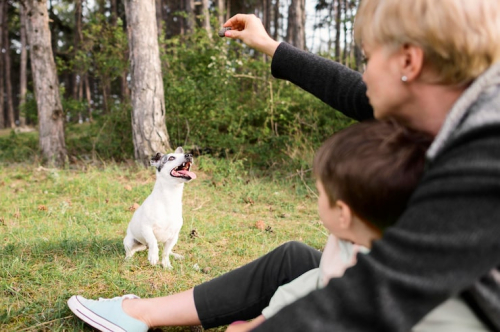
Welcoming a puppy into your life sparks instant joy the tiny paws, playful nips, and those wide, wondering eyes create an immediate sense of connection. But within days the charm collides with reality: surprise puddles, gnawed table legs, frantic zoomies through every room. That’s precisely why solid puppy training basics matter so much. Thoughtful, positive guidance transforms early chaos into calm confidence and lays the foundation for a well-mannered companion who truly feels like part of the family. The reward is a stronger bond and far fewer daily frustrations.
Your dog’s daily struggles pulling, mealtime anxiety, or reactivity don’t just cause stress, they chip away at the joy of being together. At Prime Paw, our positive reinforcement-based programs meet your dog where they are and build confidence, connection, and real skills. Our tailored programs in-person classes, coaching, and online resources help you enjoy calmer walks, relaxed routines, and a deeper connection. Ready for lasting change? Schedule a Prime Paw consultation today!
Why Starting Training Early Delivers Lifelong Value
Every puppy arrives ready to absorb habits, both helpful and troublesome. The behaviors reinforced during those first formative months tend to stick for years. Early, consistent work builds self-assurance, deepens trust between you and your dog, reduces problem actions such as constant barking or leaping on guests, and improves comfort in varied settings around children, other pets, busy sidewalks, or unfamiliar noises. Reliable training also enhances everyday safety: a dog that returns when called or drops forbidden items is far less likely to dash into traffic or swallow something dangerous.
Millions of owners have discovered these advantages firsthand. The growing popularity of structured training programs reflects a widespread recognition that investing time and effort in the beginning prevents far greater challenges later. Positive methods do not aim to produce robotic obedience; they equip puppies with clear communication skills so they can navigate our human world with ease and security.
Creating Structure from Day One
The instant your puppy steps through the door, gentle routine becomes your strongest ally. Designate a peaceful corner for a crate or bed and establish predictable daily patterns regular feeding times, frequent potty outings, short play periods, and enforced rest. Predictability soothes a young dog’s anxiety and minimizes confusion during the adjustment phase.
Prepare the essentials ahead of time: a well-fitted harness or collar, a six-foot leash that offers control without restricting natural movement, tiny high-value treats that disappear in one quick bite, and mentally engaging puzzle toys. Watch your new arrival carefully during the first days. Notice the moments right after meals, naps, or active play when sniffing intensifies that’s your signal to head outside immediately. Lavish praise the second business is finished in the chosen spot. These small, repeated successes set the stage for everything that follows.
House Training: Patience and Prevention Win
Accidents are inevitable in the early weeks, yet most can be avoided through close supervision and smart timing. Plan to take your puppy outdoors every one to two hours, and always immediately after eating, drinking, playing, or waking. Select one consistent elimination area and pair it with a short, calm cue “go potty” works well so the phrase eventually triggers the desired response.
When you cannot provide constant eyes-on supervision, crate training offers a practical solution. Because dogs instinctively try to keep their sleeping space clean, a crate sized just large enough for the puppy to stand, turn, and lie down comfortably becomes a secure, den-like retreat. Line it with a washable blanket and include a safe chew toy. Never use the crate as punishment. Begin with brief periods ten to fifteen minutes and extend duration only as the puppy relaxes inside. Combine crate time with immediate outdoor trips and abundant praise for success outdoors. With steady repetition, the vast majority of puppies become reliably house-trained within a few weeks to a couple of months.
Teaching Foundational Commands That Matter Most
Concentrate first on four essential cues that unlock almost every other skill: sit, stay, come, and leave it. Rely exclusively on positive reinforcement small treats, cheerful praise, gentle play because methods rooted in fear or discomfort produce stress rather than understanding.
- Sit: Hold a treat just above the nose and slowly draw it back over the head. As the puppy naturally lowers its rear to follow the treat, say “sit” and reward the instant the bottom touches the ground. Repeat in five quick sessions spread throughout the day.
- Stay: Ask for a sit, show an open palm, take one small step backward, then return and reward. Gradually build distance, duration, and mild distractions while always releasing with a bright “okay” or similar cue.
- Come: Practice indoors first, using a long line if needed. Call the puppy’s name followed by an upbeat “come,” then reward extravagantly the moment they reach you. Avoid ever calling them for unpleasant experiences such as bath time or leaving the park.
- Leave it: Set a low-value item on the floor, cover it with your foot or hand, and say “leave it.” The instant the puppy looks away or sits politely, offer a superior treat from your other hand. This single command can prevent countless dangerous or destructive moments.
Keep every practice short three to five minutes so enthusiasm stays high and frustration never creeps in.
Socialization: Shaping a Confident Adult Dog
The critical socialization window spans roughly eight to sixteen weeks. During this brief period puppies are especially receptive to new people, places, sounds, surfaces, and other animals. Safe, positive exposures during these weeks dramatically reduce fearfulness later in life. Arrange controlled meetings with friendly, vaccinated dogs, introduce different floor textures, household appliances, car rides, and calm interactions with men, women, and children of various ages.
Group puppy classes provide structured playtime under professional supervision, offering valuable lessons that are difficult to recreate at home. Carry treats constantly so every pleasant encounter becomes an instant reward. The result is a dog who approaches novelty with curiosity instead of alarm.
Avoiding the Most Frequent Training Mistakes
Owners unintentionally reinforce jumping by making eye contact, speaking, or pushing the puppy away any attention feels rewarding. The effective response is to turn completely away and wait for calm, four-on-the-floor behavior before acknowledging the pup. Another widespread error is delayed scolding. A puppy cannot link an accident discovered hours later to the moment it occurred. Simply clean thoroughly with an enzymatic odor eliminator and focus on preventing the next mishap.
Impatience is perhaps the biggest obstacle. Puppies possess short attention spans and learn in small increments. When progress slows, reduce criteria temporarily, rebuild success, and maintain an upbeat attitude. Consistency and kindness outperform harsh corrections every time.
Knowing When Professional Help Makes Sense
Most puppies master the fundamentals through dedicated home effort, yet certain challenges warrant expert intervention. Ongoing fear responses, signs of aggression, intense separation distress, or reactivity toward people or dogs often improve faster with guidance from a certified, force-free trainer or veterinary behaviorist. Enrolling in group classes also supplies built-in socialization opportunities that accelerate progress. Seeking assistance early is a sign of commitment, not failure and it frequently prevents small issues from becoming entrenched problems.
The Long-Term Rewards of Early Effort
Puppyhood passes in a flash. The hours spent teaching clear boundaries and celebrating small victories compound into years of harmony. Your adult dog will stroll politely beside you, welcome visitors without leaping, relax quietly while you work, and respond reliably in distracting environments. More than polished manners, though, you will share a relationship grounded in mutual respect and genuine understanding.
Training is never truly finished; it simply shifts into an ongoing, joyful dialogue expressed through daily life together. Keep lessons lighthearted, acknowledge every step forward, and savor the messy, laughter-filled process. In the end, the strongest connection grows not from perfection, but from the patient, loving guidance you offered when it mattered most. Your future companion and the calmer, happier version of yourself will feel the difference every single day.
Frequently Asked Questions
What are the most important commands to teach a puppy first?
The four foundational commands every puppy should learn early are *sit*, *stay*, *come*, and *leave it*. These core cues unlock nearly every other skill and keep your dog safe in everyday situations. Always use positive reinforcement small treats and cheerful praise and keep sessions to just 3–5 minutes to maintain enthusiasm and avoid frustration.
How long does it take to house train a puppy?
With consistent effort, most puppies become reliably house-trained within a few weeks to a couple of months. The key is taking your puppy outside every one to two hours and immediately after eating, drinking, playing, or waking while using a crate to minimize unsupervised accidents indoors. Pairing every successful outdoor bathroom trip with lavish praise accelerates the process significantly.
When is the best time to start socializing a puppy?
The critical socialization window is roughly 8 to 16 weeks of age, when puppies are most receptive to new people, animals, sounds, and environments. Positive exposures during this period dramatically reduce fearfulness and reactivity in adult dogs. Group puppy classes are especially valuable, as they provide structured playtime and professional supervision that’s hard to replicate at home.
Disclaimer: The above helpful resources content contains personal opinions and experiences. The information provided is for general knowledge and does not constitute professional advice.
You may also be interested in: PrimePaw Homepage – Prime Paw
Your dog’s daily struggles pulling, mealtime anxiety, or reactivity don’t just cause stress, they chip away at the joy of being together. At Prime Paw, our positive reinforcement-based programs meet your dog where they are and build confidence, connection, and real skills. Our tailored programs in-person classes, coaching, and online resources help you enjoy calmer walks, relaxed routines, and a deeper connection. Ready for lasting change? Schedule a Prime Paw consultation today!
Powered by flareAI.co