
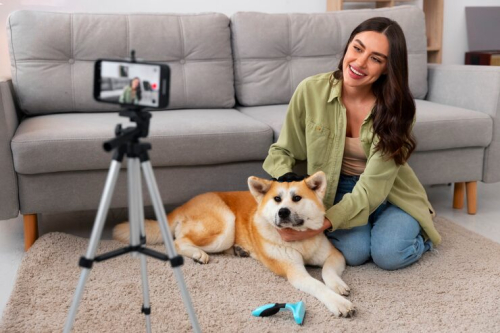
Bringing a new puppy home delivers a rush of joy mixed with the reality of sharp teeth, endless energy, and plenty of accidents on the floor. Those wide eyes and clumsy paws come without any guidebook, leaving many first-time owners searching for clear, practical help. That’s where puppy training videos prove invaluable, offering visual step-by-step demonstrations that make mastering the fundamentals at home both achievable and enjoyable.
Your dog’s daily struggles pulling, mealtime anxiety, or reactivity don’t just cause stress, they chip away at the joy of being together. At Prime Paw, our positive reinforcement-based programs meet your dog where they are and build confidence, connection, and real skills. Our tailored programs in-person classes, coaching, and online resources help you enjoy calmer walks, relaxed routines, and a deeper connection. Ready for lasting change? Schedule a Prime Paw consultation today!
Why Visual Training Guides Transform the Beginner Experience
Puppy training videos have changed how new owners learn the ropes. Rather than piecing together tips from books or well-meaning friends, these resources bring expert demonstrations straight into your living room. You can watch a trainer work with a real puppy, pause to study hand position or timing, and replay until the technique feels natural.
The flexibility stands out as a major advantage. Whether you juggle a demanding job, manage young children, or live far from training classes, these guides adapt to your schedule. Visual cues reveal subtle details the exact moment to mark a behavior, how to hold a treat, or the right way to read a puppy’s body language that text instructions simply cannot convey as effectively.
Short, focused segments match a puppy’s limited attention span perfectly. Quick lessons fit easily into a busy day, reducing overwhelm and building steady confidence for both owner and dog. The result is smoother progress and a stronger early bond built on clear communication.
Preparing Your Space for Effective At-Home Training
Preparation sets the stage for success long before pressing play. Choose a quiet, distraction-free area where your puppy can focus without household chaos interfering. A non-slip surface, a small stash of high-value soft treats, and fresh water nearby keep sessions smooth and positive.
Lighting plays a surprisingly important role. Bright, even illumination ensures your puppy sees hand signals clearly, just as the videos intend. Many experienced trainers recommend using the same spot consistently so the puppy quickly associates that corner with learning time and calm focus.
Start with brief sessions of five to ten minutes, repeated two or three times daily. Puppies tire fast, and ending each practice on a successful note keeps motivation high. This consistent setup turns training from a stressful chore into a predictable, enjoyable routine.
Core Commands That Shape Everyday Life
The strongest beginner videos concentrate on four essential commands that influence daily interactions: sit, stay, come, and leave it. Trainers show how to lure the puppy into position, mark the correct action instantly with praise or a click, and gradually remove the lure until voice and gesture alone prompt the response.
Sit creates polite greetings and patient mealtimes. Stay builds impulse control crucial when visitors arrive or excitement builds. Come develops a reliable recall that gains importance as outdoor adventures begin. Leave it protects against dangerous scavenging while teaching valuable self-control.
Pay close attention to reward timing in the demonstrations. The treat or praise arrives within a split second of the right behavior, helping the puppy connect action to outcome. Hand signals paired with verbal cues provide backup when distance or noise complicates hearing. Begin practice in calm environments, then slowly introduce mild distractions such as a distant squeaky toy.
Simplifying House Training and Crate Training
House training ranks high on every new owner’s list of concerns. Quality videos break the process into recognizable patterns, teaching how to spot pre-elimination signals like sniffing, circling, or sudden restlessness. They emphasize establishing a schedule linked to meals, naps, and play, while stressing calm cleanup without scolding when accidents occur.
Crate training gets equally thoughtful coverage. The guides demonstrate a gentle approach: offering meals inside the open crate, tossing treats to encourage voluntary entry, and never using the space as punishment. Over time, most puppies come to see the crate as a secure den rather than confinement. Realistic expectations help reliable bladder control typically develops around six months allowing owners to celebrate small wins like dry nights.
Linking the two skills works particularly well: move the puppy directly from crate to the outdoor elimination spot after waking or eating. The clear visual sequences make the combined routine feel logical and far less daunting.
Preventing and Redirecting Common Early Behavioral Challenges
Nipping, destructive chewing, and jumping emerge almost immediately in puppyhood. Effective videos promote redirection over punishment. When teeth meet skin, calmly offer a suitable toy and praise the switch. For furniture chewing, rotate engaging chew items and maintain close supervision during free-roaming periods.
Jumping benefits from a neutral “off” cue combined with turning away until paws stay grounded. The demonstrations highlight how uniform responses from all family members prevent confusing signals. Immediate, gentle corrections followed by positive alternatives reshape habits more efficiently than delayed reactions.
Enhancing Progress with Complementary Digital Tools
Many owners combine video series with interactive apps that track sessions and offer tailored suggestions. The dog training apps market has grown substantially in recent years, driven by demand for convenient, on-demand resources that align with busy modern lifestyles and support positive reinforcement methods.
These applications frequently feature progress logs, gentle reminders, and community spaces where owners exchange practical tips. Some include camera integration for remote monitoring of crate time. Together, polished video guides and smart digital tools form a comprehensive support network accessible entirely from home.
Selecting High-Quality Resources That Fit Your Puppy
Not every video series suits every situation. Prioritize trainers who focus on force-free, evidence-based techniques and showcase puppies of different breeds for broader relatability. Look for clear high-definition footage with slow-motion replays that reveal precise timing and posture details.
Choose programs structured progressively to match your puppy’s developmental stage. Helpful extras such as printable checklists or troubleshooting sections add real value. Sampling free introductory episodes lets you evaluate the teaching style and pace before full commitment.
Viewer feedback often reveals practical outcomes. Many families note that calm narration and straightforward visuals eased their own stress, transforming training sessions into rewarding shared experiences that strengthen the human-canine connection.
Maintaining Consistency and Monitoring Development
Videos supply the framework, yet daily repetition creates lasting results. Maintain a simple log of each session’s focus and your puppy’s responses. Recognize small achievements a solid sit before dinner or a steady stay at the doorway with extra play or a favorite toy.
Engage the entire household to ensure cues remain consistent. Even young children can participate in supervised practice of basic commands, reinforcing lessons across all ages. When progress stalls, revisit an earlier video segment instead of assuming defeat. With steady, positive practice, most puppies grasp core fundamentals within eight to twelve weeks.
Knowing When Professional Guidance Becomes Necessary
Well-designed puppy training videos address the majority of beginner needs effectively. However, certain warning signs ongoing fearfulness, escalating aggression, or unexpected regression indicate the value of consulting a certified professional trainer or veterinary behaviorist. The insights gained from videos equip owners to ask informed questions and engage meaningfully in any hands-on sessions.
View the videos as the essential foundation and expert support as targeted refinement. This balanced approach helps develop a confident, well-mannered companion prepared for the years ahead.
Those whirlwind early months with a new puppy filled with chewed shoes, sleepless nights, and sudden bursts of zoomies ultimately shape a relationship built on mutual understanding. Thoughtful visual guides make the fundamentals accessible, turning potential frustration into confident progress and lasting trust. By following clear demonstrations at home, every owner gains the tools to guide a lively puppy into a cherished, harmonious family member.
Frequently Asked Questions
What are the best puppy training videos for beginners to start with at home?
The best beginner puppy training videos focus on four core commands sit, stay, come, and leave it using force-free, positive reinforcement techniques. Look for high-definition footage with slow-motion replays, calm narration, and programs structured progressively to match your puppy’s developmental stage. Free introductory episodes are a great way to evaluate a trainer’s style and pace before committing to a full series.
Can puppy training videos really help with house training and crate training?
Yes quality puppy training videos break house training and crate training into clear, manageable steps, teaching you to recognize pre-elimination signals like sniffing or circling and establish a schedule tied to meals, naps, and play. For crate training, effective guides demonstrate a gentle, gradual approach so puppies learn to view the crate as a safe den rather than confinement. Reliable bladder control typically develops around six months, and linking crate time directly to outdoor bathroom trips makes the combined routine much easier to follow.
How long should puppy training sessions be when following video guides at home?
Puppy training sessions at home should be kept short just five to ten minutes each repeated two or three times daily. Puppies have limited attention spans, so brief, focused lessons fit easily into a busy schedule while reducing overwhelm for both owner and dog. Always aim to end each session on a successful note to keep motivation high and build a positive routine.
Disclaimer: The above helpful resources content contains personal opinions and experiences. The information provided is for general knowledge and does not constitute professional advice.
You may also be interested in: Community Clinics Offer Free Workshops on Trust-Centered Dog Training Techniques
Your dog’s daily struggles pulling, mealtime anxiety, or reactivity don’t just cause stress, they chip away at the joy of being together. At Prime Paw, our positive reinforcement-based programs meet your dog where they are and build confidence, connection, and real skills. Our tailored programs in-person classes, coaching, and online resources help you enjoy calmer walks, relaxed routines, and a deeper connection. Ready for lasting change? Schedule a Prime Paw consultation today!
Powered by flareAI.co