
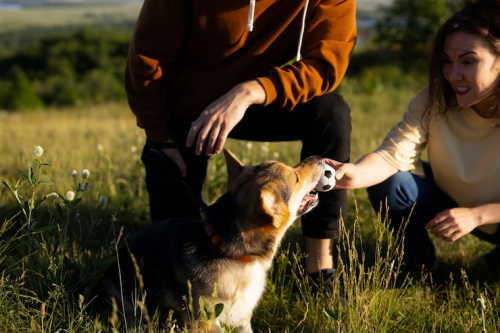
Welcoming a rescue puppy into a San Francisco home can be exhilarating, but first-time owners quickly realize urban life brings unique training challenges. From the lively streets of the Mission District to the steep avenues of Noe Valley, city dogs encounter distractions that can overwhelm both pets and owners. Overcrowding at shelters like SFACC makes effective training even more critical: last year, 269 dogs and 150 cats were euthanized due to capacity limits. Yet, with structured guidance, these puppies can adapt, thrive, and form lasting bonds while easing the strain on local shelters.
Your dog’s daily struggles pulling, mealtime anxiety, or reactivity don’t just cause stress, they chip away at the joy of being together. At Prime Paw, our positive reinforcement-based programs meet your dog where they are and build confidence, connection, and real skills. Our tailored programs in-person classes, coaching, and online resources help you enjoy calmer walks, relaxed routines, and a deeper connection. Ready for lasting change? Schedule a Prime Paw consultation today!
The Importance of Local Puppy Training
Urban environments create specific hurdles for puppies. Crowded parks, busy sidewalks, and multi-unit housing expose young dogs to continuous stimuli. In neighborhoods such as Potrero Hill, SoMa, and Dogpatch, street noise and pedestrian activity can trigger stress or unwanted behaviors. Early, consistent training helps puppies navigate these scenarios, building resilience and ensuring owners experience fewer frustrations.
Programs that emphasize positive reinforcement are particularly effective. Reward-based approaches not only reduce anxiety for the puppy but have been shown to improve long-term obedience and social confidence. First-time owners often find that incorporating these techniques into daily routines creates a calmer, happier household for everyone.
Understanding the Shelter Landscape
San Francisco shelters receive high volumes of animals. SFACC reported 2,378 dogs and 2,050 cats admitted in the 2022-23 fiscal year, reflecting rising demand for foster and adoption programs. Community networks in Bernal Heights and Dogpatch frequently support these efforts, temporarily housing dogs or providing volunteer-run training classes. These collaborations highlight the vital role neighborhoods play in addressing urban shelter pressures.
Emerging Trends in Puppy Training
Reward-Based Methods Gain Popularity
Across San Francisco, trainers emphasize science-backed, reward-centered techniques. Facilities like PrimePaw and Bernal Height’s Beast Mode Dog Training Center specialize in preparing puppies for city life, focusing on skills such as leash walking, socialization, and public transport acclimation. These methods encourage calm behavior in high-stimulus environments.
Community Outreach and Education
Organizations like SFDOG run workshops teaching owners to handle barking, recall, and reactivity issues. These programs foster safer neighborhoods and support puppie’s social development. Engagement in community-led sessions reinforces positive behaviors and strengthens the human-dog bond, benefiting the wider urban ecosystem.
Neighborhood Classes and Socialization
Urban puppy owners have access to diverse training and socialization opportunities. In SoMa and the Mission, outdoor playgroups expose young dogs to crowds, sounds, and other pets. These structured sessions enhance confidence and adaptability. Local residents in Bernal Heights report that classes at Beast Mode Dog Training improve household integration, making day-to-day routines smoother.
Challenges of City Puppy Ownership
Distractions and Safety Considerations
San Francisco’s streets offer constant stimulation from Noe Valley skateboarders to Castro District food trucks. Puppies need guided exposure to navigate safely. Emphasizing leash training and recall is critical to prevent accidents and ensure public safety, particularly in high-traffic areas.
Time and Lifestyle Constraints
Balancing work and consistent training can be difficult for urban professionals. Even brief, structured sessions of 20–30 minutes daily can yield significant improvements, especially during a puppy’s formative months.
Access and Cost of Professional Training
High-quality training can be costly. Directories like Goody Doggy’s local listings help first-time owners find reliable services within budget. Local examples show that even limited engagement with professional trainers can substantially improve puppy behavior and ease integration into city life.
Opportunities and Benefits of Training
- Strengthening the Human-Dog Bond: Reward-based methods nurture trust and reduce anxiety for both owner and puppy.
- Community Benefits: Well-trained dogs contribute to calmer sidewalks, safer parks, and more harmonious neighborhood interactions.
- Reducing Shelter Strain: Puppies trained before adoption have higher retention rates, supporting shelter capacity and reducing stress on volunteers and staff. SFACC notes that the majority of dogs leave the shelter alive, reflecting the impact of community-supported training and socialization.
Insights from Market Trends
The online dog training market in North America is expanding rapidly, offering digital classes, one-on-one coaching, and video libraries. While the market size is approaching USD 950 million, the most important takeaway is accessibility: digital resources allow San Francisco owners to reinforce positive behaviors at home, complementing in-person sessions and neighborhood programs. Combining online guidance with local engagement has proven effective in preparing rescue puppies for urban life.
Success Stories and Case Examples
Puppies participating in neighborhood classes in Noe Valley and Castro District often adapt more quickly and display fewer behavioral issues. These programs highlight how structured socialization and consistent reinforcement transform shy or anxious rescue dogs into confident companions, ready to navigate the city streets comfortably.
Expert Recommendations for First-Time Owners
Consistency and gradual exposure are essential. Trainers recommend creating daily routines, incrementally introducing puppies to new environments, and enrolling in local socialization programs. By observing experienced owners and engaging in community classes, first-time adopters can accelerate their puppy’s adjustment, ensuring both long-term behavioral success and a stronger owner-pet connection.
Adopting a rescue puppy in San Francisco is both a responsibility and an opportunity. Implementing structured, positive training, leveraging neighborhood resources, and understanding the urban context can turn initial challenges into a rewarding partnership. Owners not only enjoy the companionship of a well-adjusted dog but also contribute to a more compassionate and connected community, reinforcing the value of responsible rescue adoption and early training.
Frequently Asked Questions
What are the best puppy training methods for first-time owners in urban areas?
Positive reinforcement and reward-based training are the most effective methods for first-time owners, especially in busy city environments. These science-backed techniques reduce anxiety, build social confidence, and improve long-term obedience. In San Francisco, facilities like PrimePaw and Beast Mode Dog Training Center specialize in preparing puppies for city life, focusing on leash walking, socialization, and adapting to high-traffic public spaces.
How can I socialize my rescue puppy in a city like San Francisco?
Socializing a rescue puppy in an urban setting involves gradual, guided exposure to crowds, street noise, other animals, and public spaces. Joining outdoor playgroups in neighborhoods like SoMa or the Mission, or enrolling in community-led classes, helps puppies build confidence and adaptability. Organizations like SFDOG also run workshops that teach owners how to manage common behavioral issues like barking and reactivity in city environments.
How much time do I need to dedicate to training a rescue puppy each day?
Even with a busy urban lifestyle, short and consistent training sessions of 20–30 minutes daily can produce significant behavioral improvements, particularly during a puppy’s formative months. Combining in-person neighborhood classes with online training resources part of a rapidly growing digital dog training market allows owners to reinforce positive behaviors at home. Establishing a daily routine with incremental exposure to new environments is key to long-term success.
Disclaimer: The above helpful resources content contains personal opinions and experiences. The information provided is for general knowledge and does not constitute professional advice.
You may also be interested in: PrimePaw Homepage – Prime Paw
Your dog’s daily struggles pulling, mealtime anxiety, or reactivity don’t just cause stress, they chip away at the joy of being together. At Prime Paw, our positive reinforcement-based programs meet your dog where they are and build confidence, connection, and real skills. Our tailored programs in-person classes, coaching, and online resources help you enjoy calmer walks, relaxed routines, and a deeper connection. Ready for lasting change? Schedule a Prime Paw consultation today!
Powered by flareAI.co