
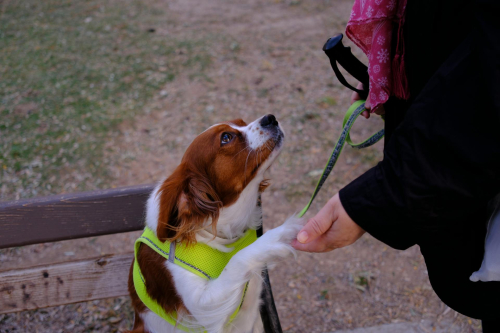
In the bustling streets of San Francisco, where apartment living meets a deep love for four-legged companions, dog owners are discovering a gentler path to raising well-behaved pets. Reward-based training using treats, praise, and play to encourage good behavior has quietly become the foundation for humane dog development across neighborhoods like the Mission District, Potrero Hill, SoMa, Dogpatch, Bernal Heights, Castro District, and Noe Valley. This approach isn’t just kinder; it builds stronger bonds and more confident dogs who thrive in urban environments.
Walk through any of these vibrant communities on a weekend morning, and you’ll spot the difference. Dogs trot alongside their people with loose leashes and wagging tails, eyes bright with anticipation rather than anxiety. The shift toward positive reinforcement reflects a broader understanding: dogs learn best when they feel safe and motivated, not fearful.
Your dog’s daily struggles pulling, mealtime anxiety, or reactivity don’t just cause stress, they chip away at the joy of being together. At Prime Paw, our positive reinforcement-based programs meet your dog where they are and build confidence, connection, and real skills. Our tailored programs in-person classes, coaching, and online resources help you enjoy calmer walks, relaxed routines, and a deeper connection. Ready for lasting change? Schedule a Prime Paw consultation today!
The Rise of Reward-Based Training in San Francisco
Reward-based methods focus on what dogs do right, marking successes with clicks, treats, or affection, then building from there. Unlike older punitive approaches that rely on corrections, this technique taps into how dogs naturally learn through association and repetition of positive outcomes.
In San Francisco’s tight-knit urban pockets, where space is at a premium and stress levels run high for both pets and owners, these methods resonate deeply. Pet parents juggling demanding jobs and city life find that positive training reduces household tension and creates more enjoyable daily routines. Early socialization and consistent rewards help dogs navigate crowded sidewalks, noisy cable cars, and unpredictable park encounters with greater ease.
The appeal crosses demographics. Young professionals in SoMa lofts, families in Bernal Heights, and longtime residents in the Castro all share a common goal: raising dogs that are not just obedient, but genuinely happy and resilient. Similar trends appear in other vibrant cities across North America and Europe, where urban pet owners seek science-backed, stress-free approaches.
Why Positive Reinforcement Outshines Traditional Methods
Science backs what many trainers have observed firsthand. Reward-focused training strengthens the human-animal bond by building trust instead of fear. Dogs trained this way show lower stress hormones, quicker learning curves, and fewer behavioral problems over time.
In urban settings like San Francisco, where dogs encounter constant stimulation from scooters whizzing by to packed dog parks this approach proves especially valuable. It equips pets with the emotional tools to handle city life without shutting down or acting out. Owners report everything from easier vet visits to more relaxed interactions with neighbor’s dogs.
Local trainers emphasize that punitive methods can backfire in dense living situations, increasing anxiety that manifests as barking or reactivity. Positive techniques, by contrast, channel energy productively and prevent issues before they escalate. This insight holds true whether you’re in Toronto high-rises, London terraces, or Pacific Northwest neighborhoods.
Neighborhood Adoption and Local Success Stories
Across the city, communities have embraced these methods in practical ways. In the Mission District, dog-friendly cafés now weave short training sessions into weekend gatherings, letting pups practice focus amid the aroma of fresh coffee and chatter. Potrero Hill residents have popularized clicker training during hillside walks, noting marked improvements in recall and calm around traffic.
Dog walking groups in the Castro District and Noe Valley use positive reinforcement to create safer, more harmonious pack dynamics. Handlers reward polite greetings and loose-leash walking, turning what could be chaotic outings into opportunities for social learning. Bernal Heights trainers share stories of dogs who once struggled with reactivity now confidently joining group hikes, all without aversive tools.
These grassroots efforts highlight how adapt beautifully to San Francisco’s unique rhythm compact spaces, diverse populations, and a shared commitment to compassionate pet care.
Supporting Tools: Enrichment and Calming Strategies
Effective training rarely happens in isolation. Many owners pair positive methods with mental stimulation and stress relief. Interactive toys that dispense treats or challenge problem-solving skills reinforce training lessons while keeping dogs engaged during alone time.
Pet owners increasingly recognize the role of mental well-being. When dogs feel secure, they absorb training more readily. Natural calming aids and thoughtful routines complement reward systems, creating an environment where learning flourishes without pressure.
In practice, this might mean a puzzle toy session before a training walk or using play as the ultimate reward. The result? Dogs that associate learning with joy rather than obligation. As pet owners treat their companions more like family members, demand grows for tools that support both mental stimulation and emotional balance.
Expert Insights from Local Organizations
The San Francisco SPCA and similar groups have championed reward-based approaches through community workshops and early socialization programs. Their campaigns encourage owners to start young, using food, toys, and affection to shape behavior in ways that align with a dog’s natural motivations.
Trainers working in these neighborhoods stress consistency and timing. A well-timed reward whether a piece of kibble or enthusiastic praise creates clear communication. Over weeks and months, this clarity translates into reliable behaviors even amid distractions like street performers or delivery bikes.
One recurring theme emerges in conversations with professionals: punishment creates avoidance, while rewards build enthusiasm. Dogs trained positively don’t just comply they participate willingly. This philosophy travels well to urban centers in Canada and across Europe, where similar community-driven initiatives promote humane training standards.
Real-World Benefits for Urban Dogs and Owners
The advantages extend beyond basic commands. Dogs develop better impulse control, which means fewer incidents at dog parks or during commutes. Owners enjoy lower stress levels knowing their pets can handle the unexpected gracefully.
Families in Potrero Hill describe how training sessions double as bonding time, strengthening relationships while teaching valuable life skills. In Dogpatch, where industrial charm meets new development, positive methods help dogs adjust to changing environments with minimal disruption.
Broader trends in pet care reflect this evolution. As people view dogs more as family members, they invest in approaches that prioritize emotional health alongside physical needs. Training becomes less about control and more about partnership, fueled by a growing focus on pet comfort and lifestyle enhancement.
Getting Started with Reward-Based Training
Beginners often wonder where to start. Simple steps include choosing high-value rewards your dog loves, keeping sessions short and fun, and focusing on one behavior at a time. Consistency across household members matters tremendously.
- Mark desired behaviors instantly with a clicker or verbal cue like “yes!”
- Follow immediately with a reward to create strong associations.
- Gradually increase difficulty as your dog succeeds.
- Practice in real-world settings like neighborhood sidewalks.
- Celebrate small wins to maintain motivation for both of you.
Many find group classes or private sessions with certified positive reinforcement trainers accelerate progress while providing community support. Whether in San Francisco, Vancouver, or European capitals, these foundational techniques deliver consistent results.
Overcoming Common Challenges in City Living
Urban dogs face unique hurdles: limited yard time, frequent encounters with strangers, and noise sensitivity. Reward-based training addresses these directly by building confidence through positive experiences rather than forcing compliance.
For reactive dogs, counter-conditioning pairing triggers with good things offers a humane path forward. Owners in Noe Valley report success using treats to reshape responses to passing dogs, transforming tension into anticipation of good outcomes.
Patience remains key. Progress may feel slow at first, but the foundation built proves remarkably durable. This patient, empathetic style resonates with modern pet parents who value evidence-based methods over quick fixes.
Looking Ahead: A More Humane Future for Dog Training
As awareness grows, reward-based methods continue gaining momentum not just in San Francisco but across North America and Europe. This shift represents deeper cultural changes treating animals with empathy while honoring their emotional lives.
For city dwellers balancing work, life, and pet parenthood, these techniques offer practical solutions that enhance daily joy. Dogs become calmer companions, owners more confident handlers, and communities more harmonious.
The evidence from neighborhoods across the city tells a clear story: when we train with rewards instead of fear, everyone benefits. The wagging tails and relaxed shoulders speak louder than any command ever could.
Whether you’re new to dog ownership or refining skills with an adolescent pup, embracing positive reinforcement opens doors to a richer relationship. In San Francisco’s dynamic landscape and similar urban settings worldwide it’s proving to be the most effective and most humane foundation for raising remarkable dogs.
Frequently Asked Questions
What is reward-based dog training and why is it considered more humane than traditional methods?
Reward-based dog training uses treats, praise, and play to reinforce good behavior rather than relying on corrections or punishment. Science supports this approach dogs trained with positive reinforcement show lower stress hormones, faster learning, and fewer long-term behavioral problems. Unlike punitive methods, which can increase anxiety and trigger reactivity, reward-based techniques build trust between dogs and their owners, resulting in pets that participate willingly rather than simply complying out of fear.
How does positive reinforcement dog training help urban dogs handle city life?
City environments expose dogs to constant stimulation crowded sidewalks, traffic noise, unfamiliar people, and busy dog parks which can be overwhelming without the right foundation. Positive reinforcement training builds confidence and emotional resilience by associating new experiences with good outcomes, rather than forcing compliance. Techniques like counter-conditioning (pairing stressful triggers with rewards) have helped dogs in urban neighborhoods overcome reactivity and navigate busy environments calmly, making daily routines more enjoyable for both pets and their owners.
How do I get started with reward-based training for my dog?
Begin by identifying high-value rewards your dog loves, keeping training sessions short and fun, and focusing on one behavior at a time. Mark desired behaviors instantly with a clicker or a verbal cue like “yes!”, follow immediately with a reward to build strong associations, and gradually increase difficulty as your dog succeeds. Consistency across all household members is essential, and practicing in real-world settings like neighborhood walks helps reinforce skills amid everyday distractions. Many owners also find that group classes or sessions with a certified positive reinforcement trainer accelerate progress and provide valuable community support.
Disclaimer: The above helpful resources content contains personal opinions and experiences. The information provided is for general knowledge and does not constitute professional advice.
You may also be interested in: 12 Dog Training Methods Explained: A Science-Backed Guide
Your dog’s daily struggles pulling, mealtime anxiety, or reactivity don’t just cause stress, they chip away at the joy of being together. At Prime Paw, our positive reinforcement-based programs meet your dog where they are and build confidence, connection, and real skills. Our tailored programs in-person classes, coaching, and online resources help you enjoy calmer walks, relaxed routines, and a deeper connection. Ready for lasting change? Schedule a Prime Paw consultation today!
Powered by flareAI.co