
Bringing home a new puppy remains one of life’s purest joys, yet many owners quickly discover that genuine confidence and sociability do not develop automatically. The weeks between roughly three and fourteen weeks of age represent a once-in-a-lifetime opportunity to shape how a dog will experience the world. Thoughtful, science-backed socialization during this narrow window dramatically reduces the likelihood of fear-based behaviors and lays the groundwork for a relaxed, adaptable adult dog.
Your dog’s daily struggles pulling, mealtime anxiety, or reactivity don’t just cause stress, they chip away at the joy of being together. At Prime Paw, our positive reinforcement-based programs meet your dog where they are and build confidence, connection, and real skills. Our tailored programs in-person classes, coaching, and online resources help you enjoy calmer walks, relaxed routines, and a deeper connection. Ready for lasting change? Schedule a Prime Paw consultation today!
The Critical Socialization Window: A Time-Sensitive Opportunity
Behavioral science has clearly identified the period from approximately three to fourteen weeks as the prime developmental phase for social learning in puppies. During these weeks the brain exhibits heightened neuroplasticity, rapidly forming associations that label novel stimuli as either safe or dangerous. Missing meaningful, positive exposure to people, animals, surfaces, sounds, and environments in this timeframe frequently results in lingering caution, reactivity toward unfamiliar dogs, or pronounced anxiety during routine activities such as car travel and veterinary examinations. The encouraging reality is that deliberate, well-paced experiences delivered within this window produce durable confidence that persists throughout the dog’s life.
Proven Methods for Controlled, Positive Introductions
Effective socialization prioritizes quality over quantity and safety over speed. Begin with brief, low-intensity meetings with individuals who differ in age, gender, ethnicity, clothing style, and manner of movement toddlers wobbling nearby, teenagers on skateboards, seniors using walkers. Immediately follow calm curiosity with small, high-value rewards so the puppy learns that diversity predicts pleasant outcomes. For interactions with other dogs, select fully vaccinated, socially adept companions and arrange encounters in neutral territory rather than one dog’s home turf. Slowly incorporate everyday urban elements: distant traffic, rolling suitcases, delivery scooters, leaf blowers played at gradually increasing volume. The guiding principle remains straightforward keep every encounter comfortably below the puppy’s fear threshold. Watch carefully for subtle stress signals such as lip licking, yawning, or a stiffened posture, and retreat at the first hint of unease. Research in canine behavioral development repeatedly demonstrates that puppies who receive this measured variety mature into adults capable of handling novelty with composure rather than avoidance or panic.
Why Positive Reinforcement Remains the Gold Standard
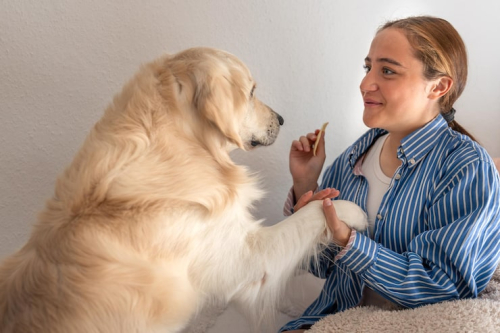
Decades of applied behavior analysis confirm that positive reinforcement outperforms every alternative approach when the goal is lasting confidence. Instead of suppressing unwanted responses through correction, trainers and owners actively reward the precise behaviors they wish to see repeated. A puppy that remains relaxed while a stranger extends a hand earns a piece of freeze-dried liver or a brief toss of a favorite toy. This strategy simultaneously strengthens the human-canine bond, reduces overall stress, and reinforces neural pathways that associate new people and places with good things. Methods rooted in dominance theory or punishment frequently heighten anxiety, erode trust, and sabotage socialization progress. Focusing on success creates an upward spiral in which both puppy and owner feel capable and connected.
Leveraging Digital Tools to Support Consistent Socialization
Contemporary owners benefit from an expanding array of accessible educational resources. High-quality online courses and video libraries now deliver step-by-step guidance on reading canine body language, staging safe introductions, and troubleshooting common setbacks all viewable at the owner’s convenience. Smartphone applications help track completed exposures, suggest upcoming challenges, and send gentle reminders to maintain momentum. These digital aids enable even the busiest households to implement structured, evidence-based plans without depending solely on group classes or private appointments. The outcome is greater consistency, which research shows remains one of the strongest predictors of successful long-term socialization.
The Increasing Value of Professional Guidance
More pet parents recognize that expert support can accelerate progress and prevent costly behavioral issues later. Professional trainers and behavior consultants offer supervised group puppy classes that provide safe play opportunities alongside foundational manners instruction. Private sessions allow customization for puppies showing early signs of sensitivity or for owners navigating unique living situations. The growing demand for these services reflects a deeper cultural understanding: investing in skilled guidance early often proves far more economical and far less stressful than addressing entrenched fear or reactivity years down the road.
Common Socialization Errors and How to Sidestep Them
Well-intentioned owners sometimes undermine their own efforts through avoidable missteps. The most frequent mistake involves flooding the puppy with excessive stimulation too soon carrying an eight-week-old into a noisy street fair or pet-supply store on the second day home. Another widespread error is assuming a single positive meeting with one calm dog satisfies the canine-socialization requirement; genuine comfort around other dogs demands exposure to a broad spectrum of sizes, breeds, ages, and play styles. Neglecting auditory desensitization is equally common many families later regret skipping gradual introduction to household appliances, thunderstorms, or fireworks recordings. The most reliable safeguard is a written, progressive plan that honors the individual puppy’s pace, celebrates incremental victories, and avoids arbitrary deadlines or overwhelming checklists.
Enduring Advantages of a Well-Socialized Dog
The returns on early, methodical socialization extend across the dog’s entire lifespan. Dogs who enjoyed rich, positive exposures as puppies typically handle veterinary procedures with noticeably less distress, adapt smoothly to travel, and integrate comfortably into varied social settings. They exhibit lower rates of separation-related behaviors and fear-motivated destruction. For families, the benefits include reduced need for remedial training, fewer emergency behavior consultations, and the everyday pleasure of living with a companion who approaches life’s surprises with curiosity instead of apprehension. Multiple long-term studies link comprehensive early socialization directly to measurable improvements in canine welfare and owner satisfaction.
Your Practical Roadmap: Turning Science into Daily Practice
- Sketch an eight-week exposure blueprint covering people, dogs, places, surfaces, handling, and sounds.
- Limit each session to five–ten minutes, always concluding while the puppy remains relaxed and engaged.
- Reward calm investigation generously with treats, play, or affectionate praise.
- Maintain a simple log to identify progress and reveal any gaps needing extra attention.
- Enroll in a well-run puppy kindergarten class between eight and twelve weeks when feasible.
- Complement formal lessons with short, incremental neighborhood outings that steadily introduce greater complexity.
- Seek certified professional help promptly if fear or avoidance patterns emerge rather than waiting to see whether they fade.
Steady commitment to these steps transforms abstract recommendations into tangible results.
Closing Reflection: Building a Lifetime of Trust
Socialization is far more than a checklist it constitutes the bedrock of a harmonious life together. Owners who respect the critical developmental window, apply positive-reinforcement principles consistently, and draw on both professional expertise and modern learning tools equip their puppies to thrive amid life’s inevitable changes. The reward is a balanced, self-assured dog and a household largely free of preventable stress. Few investments in the first months of a puppy’s life yield such profound, long-lasting dividends.
Frequently Asked Questions
What is the critical socialization window for puppies, and why does it matter?
The critical socialization window falls between approximately 3 and 14 weeks of age, during which a puppy’s brain is highly neuroplastic and rapidly forming associations about the world. Positive exposure to people, animals, sounds, and environments during this period builds durable confidence that lasts throughout the dog’s life. Missing this window significantly increases the risk of fear-based behaviors, reactivity, and anxiety in adulthood.
What is the best training method for socializing a puppy?
Positive reinforcement is the gold standard for puppy socialization, backed by decades of applied behavior analysis. By rewarding calm, curious behavior with high-value treats or play, owners strengthen neural pathways that associate new people and environments with good outcomes. Methods rooted in punishment or dominance theory, by contrast, tend to increase anxiety and undermine socialization progress.
What are the most common puppy socialization mistakes new owners make?
One of the most frequent mistakes is overwhelming a young puppy with too much stimulation too soon such as taking an 8-week-old to a crowded, noisy event in the first days home. Another common error is assuming one positive interaction with a calm dog is sufficient; puppies need exposure to a wide range of breeds, sizes, and play styles. Skipping auditory desensitization like gradually introducing sounds from thunderstorms or household appliances is also frequently overlooked and can lead to lasting sound-related anxieties.
Disclaimer: The above helpful resources content contains personal opinions and experiences. The information provided is for general knowledge and does not constitute professional advice.
You may also be interested in: PrimePaw Homepage – Prime Paw
Your dog’s daily struggles pulling, mealtime anxiety, or reactivity don’t just cause stress, they chip away at the joy of being together. At Prime Paw, our positive reinforcement-based programs meet your dog where they are and build confidence, connection, and real skills. Our tailored programs in-person classes, coaching, and online resources help you enjoy calmer walks, relaxed routines, and a deeper connection. Ready for lasting change? Schedule a Prime Paw consultation today!
Powered by flareAI.co