
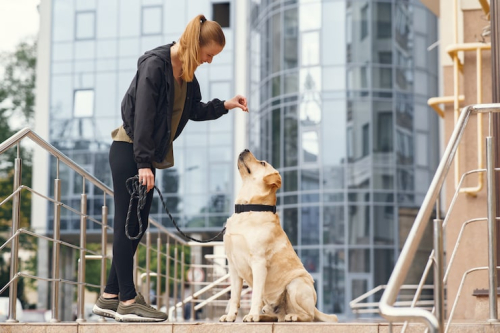
In the fog-kissed hills of Bernal Heights or amid the lively sidewalks of the Mission District, a new puppy can turn a routine walk into an adventure or a test of patience. Leash pulling in Potrero Hill, excited barking in SoMa, or uncertain greetings in the Castro District are familiar scenes for San Francisco dog owners. Yet science continues to inform best practices in modern dog training, rewriting the script and replacing old assumptions with clear, research-driven strategies that actually work for today’s urban pups.
The change feels refreshing and long overdue. Where once trainers leaned on dominance and correction, today’s methods draw directly from decades of studies in canine cognition, stress responses, and social development. The result is calmer dogs, stronger bonds, and fewer frustrated owners navigating the tight spaces and constant stimuli of city life across Noe Valley, Dogpatch, and beyond.
Your dog’s daily struggles pulling, mealtime anxiety, or reactivity don’t just cause stress, they chip away at the joy of being together. At Prime Paw, our positive reinforcement-based programs meet your dog where they are and build confidence, connection, and real skills. Our tailored programs in-person classes, coaching, and online resources help you enjoy calmer walks, relaxed routines, and a deeper connection. Ready for lasting change? Schedule a Prime Paw consultation today!
The Evolution of Dog Training Methods
Dog training has come a long way from the rigid “pack leader” model that dominated for decades. Early approaches often treated dogs like wolves in a strict hierarchy, using force to establish control. Contemporary science has dismantled that view entirely. Dogs are not miniature wolves seeking alpha status; they are highly adaptable companions wired to cooperate when they feel safe and understood.
Research from animal behavior labs shows that fear-based methods can increase anxiety and damage trust. In contrast, approaches built on learning theory especially operant conditioning produce reliable results without the fallout. This shift matters deeply in dense neighborhoods like Dogpatch and Noe Valley, where stressed dogs can quickly escalate minor issues into bigger problems during daily encounters on crowded sidewalks or in shared green spaces.
The move toward evidence-based training reflects a broader understanding that dogs thrive when their natural instincts and emotional needs are respected rather than suppressed. Owners in San Francisco benefit directly because these methods fit real urban routines instead of idealized country scenarios.
Key Scientific Insights Shaping Today’s Practices
Modern training rests on several well-documented principles. First, puppies learn best during specific developmental windows, particularly between eight and sixteen weeks, when their brains are primed for socialization. Second, positive experiences during this time reduce fear responses later. Third, individual temperament varies widely even within the same breed so one-size-fits-all programs fall short.
Studies tracking cortisol levels confirm that low-stress environments accelerate learning far more effectively than high-pressure ones. Trainers who understand these insights can create sessions that feel like play rather than work, helping busy San Francisco professionals see real progress without sacrificing evenings or weekends. These findings have transformed how programs are designed, emphasizing safety, consistency, and measurable results over outdated dominance tactics.
The Power of Positive Reinforcement
At its core, positive reinforcement rewards desired behaviors instead of punishing unwanted ones. A treat, a cheerful voice, or a quick game of tug tells the puppy exactly what earns good things. Over time, the behavior becomes a habit because the dog chooses it willingly.
This method aligns with how dog’s brains process rewards through dopamine pathways essentially the same chemistry that makes humans enjoy praise or success. Experienced trainers using these techniques report faster mastery of commands like “sit,” “stay,” and “leave it,” even in distracting urban settings. The approach also preserves the joy of the human-dog relationship, something every owner in the Castro District or Bernal Heights wants to protect.
- Rewards are timed precisely to the moment the behavior happens.
- Varied rewards food, play, affection keep motivation high across different personalities.
- Consistency across family members prevents confusion and builds lasting habits.
Positive reinforcement has proven especially effective for busy households where time is limited and every training moment counts.
Training Plus Socialization in One Safe Space
Science now emphasizes that training and socialization are not separate tasks. Puppies need controlled exposure to new people, sounds, surfaces, and other dogs to build confidence. When these experiences happen in one supervised location, the learning compounds safely and efficiently.
Urban puppies in SoMa or Potrero Hill face constant stimuli: sirens, skateboards, delivery bikes. A dedicated, controlled environment lets them practice calm responses without the risks of an uncontrolled park meetup. Combining obedience work with playdates in the same session gives dogs the tools and the real-world practice they need in a single, efficient visit.
This integrated approach eliminates the guesswork of trying to schedule separate activities and delivers results that stick because the puppy experiences everything in context.
Personalized Training Based on Each Dog’s Needs
No two puppies are identical, even if they share the same litter. One may be bold and easily distracted; another shy and sensitive to noise. Science-based programs assess behavior patterns early and adjust accordingly. Personalized plans consider age, breed tendencies, energy level, and the owner’s lifestyle whether that means quick morning sessions before a commute from the Mission District or evening classes after work in Noe Valley.
This tailored focus addresses one of the biggest worries owners voice: uncertainty whether training will actually work for their puppy. When methods match the individual, progress becomes visible within weeks and confidence grows on both ends of the leash. Owners see their dog respond reliably in real San Francisco situations instead of only in a quiet training room.
Overcoming Practical Objections in Busy Lives
Many San Francisco dog owners hesitate for three common reasons: concern about training cost, doubt whether it will work for their puppy, and lack of time to attend classes consistently. Science offers reassuring, practical answers to each.
Professional guidance often pays for itself by preventing costly behavior issues later chewed furniture, repeated vet visits for stress-related problems, or the emotional toll of rehoming. Well-trained dogs also enjoy longer, healthier lives because owners can manage medical care and exercise more effectively in a busy city schedule.
Doubt fades quickly when owners see measurable progress in just a few weeks rather than months. Short, focused sessions respect tight schedules while delivering results that last. The key is choosing programs designed for real urban calendars instead of idealized routines that no one can maintain.
The Expanding World of Professional Dog Training
The demand for quality training continues to rise as more people recognize its everyday value. Recent industry analysis shows the global dog training services market was valued at USD 33.27 billion in 2024, reflecting how deeply owners value expert support in building harmonious lives with their dogs.
In cities like San Francisco, this growth translates into more options that blend convenience with cutting-edge methods. Programs that combine training and socialization under experienced supervision stand out because they mirror what the research recommends: safe, consistent, relationship-focused learning that fits busy lifestyles and delivers lasting results.
Looking Forward With Evidence on Our Side
Ongoing studies in canine neuroscience and welfare continue to refine best practices. Future tools may include even more precise tracking of stress signals or customized enrichment plans based on genetic and environmental factors. Yet the foundation remains simple: respect the dog’s perspective, use positive methods, and create safe opportunities for learning.
For owners in the Mission District, Bernal Heights, or anywhere across San Francisco, the message is encouraging. Science has handed us clearer roadmaps. When we follow them especially through programs that personalize each step the payoff is a confident, well-adjusted companion who thrives in city life.
The fog still rolls in, the hills still beckon, and the sidewalks stay busy. But with training informed by the latest research, those daily walks become shared pleasures instead of power struggles. Your puppy is ready to learn. The science says the time to start is now.
Frequently Asked Questions
What does science say about the best methods for modern dog training?
Research in canine cognition and behavior has moved the field away from dominance-based approaches toward evidence-based, positive reinforcement techniques. Studies show that fear-based methods increase anxiety and damage trust, while low-stress environments built on operant conditioning accelerate learning more effectively. Modern science-informed training respects a dog’s emotional needs and natural instincts rather than suppressing them.
How does positive reinforcement work in dog training, and why is it effective?
Positive reinforcement rewards a desired behavior with a treat, praise, or play at the precise moment it happens, reinforcing it through the dog’s dopamine reward pathways. Over time, dogs choose the behavior willingly because they associate it with good outcomes. This approach leads to faster mastery of commands like “sit,” “stay,” and “leave it,” even in distracting urban environments, while preserving the bond between dog and owner.
At what age should I start training my puppy, and why does timing matter?
The ideal window for puppy training and socialization is between 8 and 16 weeks, when a puppy’s brain is most receptive to new experiences. Positive exposures during this developmental period significantly reduce fear responses later in life. Starting early with a personalized, science-based program means visible progress within weeks and builds lasting confidence for both puppy and owner.
Disclaimer: The above helpful resources content contains personal opinions and experiences. The information provided is for general knowledge and does not constitute professional advice.
You may also be interested in: Canine Researchers Present Findings on the Effects of Owner Consistency in Training Success
Your dog’s daily struggles pulling, mealtime anxiety, or reactivity don’t just cause stress, they chip away at the joy of being together. At Prime Paw, our positive reinforcement-based programs meet your dog where they are and build confidence, connection, and real skills. Our tailored programs in-person classes, coaching, and online resources help you enjoy calmer walks, relaxed routines, and a deeper connection. Ready for lasting change? Schedule a Prime Paw consultation today!
Powered by flareAI.co