
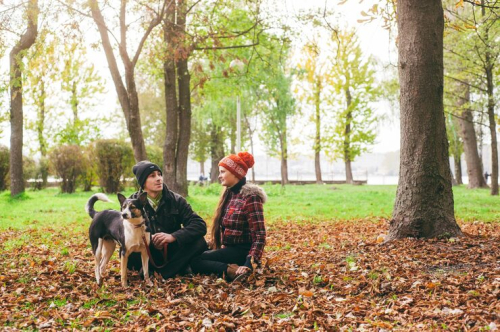
Early San Francisco mornings carry a special hush: fog softens the outlines of Victorian rooftops, eucalyptus scent drifts through the air, and in dozens of neighborhood parks a small army of puppies is learning how to belong in one of the most dog-loving cities in the country. What looks like casual play is, in fact, carefully guided socialization the most powerful tool available for raising a confident, adaptable adult dog. Done thoughtfully during the brief 3-to-16-week developmental window, supervised park experiences help puppies build trust in people, tolerance for novelty, and appropriate manners around other dogs. Done poorly or skipped entirely the same window can close on a lifetime of anxiety or reactivity.
Your dog’s daily struggles pulling, mealtime anxiety, or reactivity don’t just cause stress, they chip away at the joy of being together. At Prime Paw, our positive reinforcement-based programs meet your dog where they are and build confidence, connection, and real skills. Our tailored programs in-person classes, coaching, and online resources help you enjoy calmer walks, relaxed routines, and a deeper connection. Ready for lasting change? Schedule a Prime Paw consultation today!
The Science Behind the Socialization Window
Between approximately three and sixteen weeks of age a puppy’s brain is extraordinarily receptive. Neural pathways formed during this period influence lifelong emotional responses to new sights, sounds, surfaces, handling, and social encounters. Positive, varied, and controlled exposures in these weeks create a blueprint for resilience; overwhelming, frightening, or insufficient experiences can etch patterns of fear or defensiveness that prove difficult to overwrite later.
In dense urban settings like San Francisco where elevators, cable cars, construction noise, and crowded sidewalks are everyday realities the value of intentional early socialization multiplies. Many local owners now understand that leaving these formative weeks to chance sidewalk meetings or crowded dog runs is no longer the safest or most effective strategy.
San Francisco’s Parks: Ideal Outdoor Classrooms
The city is unusually rich in dog-friendly green space. Golden Gate Park’s large northwest training meadow offers sandy footing and enough room to practice focus amid gentle distractions. Smaller, fully fenced play yards Duboce Park in the Lower Haight, the pocket-sized enclosures in Alamo Square, the sunny hilltop at Alta Plaza provide contained environments perfect for introducing puppies to a handful of well-matched playmates.
Neighborhood favorites such as Lafayette Park, Corona Heights, and the grassy slopes near Dolores Park attract knowledgeable regulars who instinctively keep early-morning hours for the youngest dogs. Varied terrain steep inclines, wooden stairs, pea gravel, soft lawns supplies natural challenges that strengthen coordination and confidence without overwhelming tiny legs or minds.
Matching Parks to Developmental Stage
- 3–9 weeks or incomplete vaccinations: Choose the quietest fenced enclosures or simply carry the puppy in arms or a front pack so it can observe movement, voices, and other dogs from a place of safety.
- 10–16 weeks: Moderately busy fenced areas allow safe off-leash exploration while still permitting quick intervention if needed.
- After final puppy shots: Larger open sections of major parks help the now more robust youngster practice calm behavior around greater numbers of dogs and people.
Why Supervision Matters More Than Volume
Unstructured free-for-all play in busy off-leash areas can quickly become counterproductive for puppies. A single pushy adolescent or overly aroused adult can frighten a youngster, teach it that other dogs are threatening, or accidentally reinforce rough mouthing. Professional puppy socials common in San Francisco through private trainers, behavior centers, and some veterinary clinics limit group size to six or eight age- and size-matched puppies, rotate play partners, pause when tensions rise, and coach owners in real time on reading canine signals.
Even without a paid class, mindful supervision yields outsized returns. Staying within arm’s reach lets owners interrupt over-arousal, reward polite check-ins, demonstrate calm exits, and prevent bad habits from taking root. The presence of an attentive human transforms ordinary park time into structured learning.
Practical Strategies for Effective Park Sessions
Timing and preparation determine success. Weekday mornings before 9 a.m. or late weekday afternoons often deliver the calmest crowds. Carry irresistible treats tiny bits of chicken, cheese, or freeze-dried liver to mark and reinforce eye contact, name response, and relaxed sitting amid activity.
Learn to read the body-language spectrum: a soft, loose tail wag and repeated play bows indicate comfort; repeated lip licks, yawning, turning away, or retreating behind your legs signal rising stress. When uncertainty appears, scoop the puppy up for a brief reset or let it watch from a picnic blanket until curiosity returns.
“We aren’t trying to tire them out or let them wrestle nonstop,” explains a Bay Area trainer who has led park-based puppy groups for more than a decade. “The real goal is a series of small, successful interactions that teach the puppy the world is predictable and safe.”
Always carry waste bags San Francisco’s dog community takes cleanup seriously and honor posted vaccination and behavior rules. Many parks maintain separate small-dog zones, a critical safeguard when a ten-pound puppy first encounters dogs three times its size.
Debunking Persistent Socialization Myths
A widespread belief holds that any dog park equals ideal socialization. In practice, large off-leash areas dominated by adult dogs frequently overwhelm or frighten puppies. Most veterinarians and behavior specialists now advise waiting until the full vaccination series is complete (typically around 16 weeks) before regular park visits, reserving the earlier weeks for carefully managed playdates, structured classes, or supervised observation.
Equally common is the notion that “more dogs = better socialization.” Flooding a young puppy with constant high-intensity interactions can produce the opposite of the intended effect, leaving the dog emotionally overloaded and wary rather than confident. Careful selection of a few positive encounters almost always outperforms sheer quantity.
The Rising Value Placed on Early Guidance
Across North America pet owners are investing more deliberately in professional support for behavior and companionship. Obedience basics remain the foundation, yet early socialization is increasingly recognized as a cornerstone of long-term wellness. In a city where dogs accompany owners on public transit, squeeze into elevators, and share crowded sidewalks every day, those first weeks of thoughtful exposure translate directly into calmer household dynamics and greater freedom for both dog and owner.
Looking Ahead: The Lasting Reward
There is quiet wonder in watching an eight-week-old hesitate at the edge of Duboce Park’s grass, then weeks later charge forward with a play bow and a joyful bounce. Every gentle meeting, every rewarded calm moment, every successful navigation of a new surface accumulates into a deep reservoir of trust.
The next time sunlight breaks through the morning fog and illuminates your local park, consider arriving a little earlier. Pocket a few extra treats, bring patience, and watch closely. The investment of time and attention during these fleeting weeks pays lifelong dividends: a dog who moves through the world with curiosity instead of caution, and an owner who can relax knowing the foundation was laid with care.
Frequently Asked Questions
What is the best age to start socializing a puppy in San Francisco parks?
The ideal socialization window runs from approximately 3 to 16 weeks of age, when a puppy’s brain is most receptive to new experiences. During the earliest weeks (3–9 weeks) or before vaccinations are complete, it’s safest to carry your puppy so it can observe the environment without direct contact. Once your puppy reaches 10–16 weeks, moderately busy fenced areas like Duboce Park or Alamo Square are great for supervised off-leash exploration.
Are San Francisco dog parks safe for puppies, or should I wait until vaccinations are complete?
Most veterinarians and behavior specialists recommend waiting until the full vaccination series (around 16 weeks) before regular visits to large off-leash dog parks. Before that milestone, carefully managed playdates, structured puppy socials, or supervised observation from a safe distance are safer alternatives. San Francisco offers several smaller, fenced enclosures that make it easier to control your puppy’s early interactions while still providing valuable socialization.
How do I know if my puppy is being properly socialized at the park, or if it’s being overwhelmed?
Watch your puppy’s body language closely soft tail wags and play bows signal comfort, while lip licking, yawning, turning away, or hiding behind your legs indicate rising stress. Quality matters far more than quantity; a few positive, calm interactions are more beneficial than constant high-intensity play with many dogs. If your puppy shows signs of stress, give it a brief reset by picking it up or letting it observe from a calm spot until its curiosity naturally returns.
Disclaimer: The above helpful resources content contains personal opinions and experiences. The information provided is for general knowledge and does not constitute professional advice.
You may also be interested in: PrimePaw Homepage – Prime Paw
Your dog’s daily struggles pulling, mealtime anxiety, or reactivity don’t just cause stress, they chip away at the joy of being together. At Prime Paw, our positive reinforcement-based programs meet your dog where they are and build confidence, connection, and real skills. Our tailored programs in-person classes, coaching, and online resources help you enjoy calmer walks, relaxed routines, and a deeper connection. Ready for lasting change? Schedule a Prime Paw consultation today!
Powered by flareAI.co